New Testament
John 6:67
Read the Bible in clear, modern English—easy to understand, faithful to the meaning, and written for everyday readers.
So Jesus said to the Twelve, "Do you want to go away as well?"
Compare translations
Then said Jesus unto the twelve, Will ye also go away?
What John 6:67 means
Plain-English insight for readers
In this verse, Jesus addresses His twelve disciples after many others have turned away from Him due to His difficult teachings. He asks them if they also want to leave. This moment highlights the challenge of following Jesus, as His teachings can be hard to accept. It shows the importance of commitment and loyalty in discipleship. Jesus is not forcing them to stay; instead, He is inviting them to reflect on their own faith and dedication. The question serves as a pivotal moment, revealing the disciples' hearts and their willingness to remain with Him despite the challenges. It emphasizes the personal choice each follower must make in their relationship with Christ, especially when faced with doubts or societal pressures. This interaction illustrates the depth of Jesus' relationship with His disciples, as He genuinely cares about their decision and encourages them to consider their commitment to Him.
How to apply John 6:67 to your life
When faced with difficult teachings or challenges in faith, we must reflect on our commitment to Jesus. Like the disciples, we have the choice to stay or leave. It's essential to evaluate our relationship with Christ and choose to follow Him wholeheartedly, even when it's tough.
Curated for this public verse page. John Summary
Learn the Bible through its people and places
Get to know the people in Scripture through illustrated stories, and explore the places where they lived and traveled.
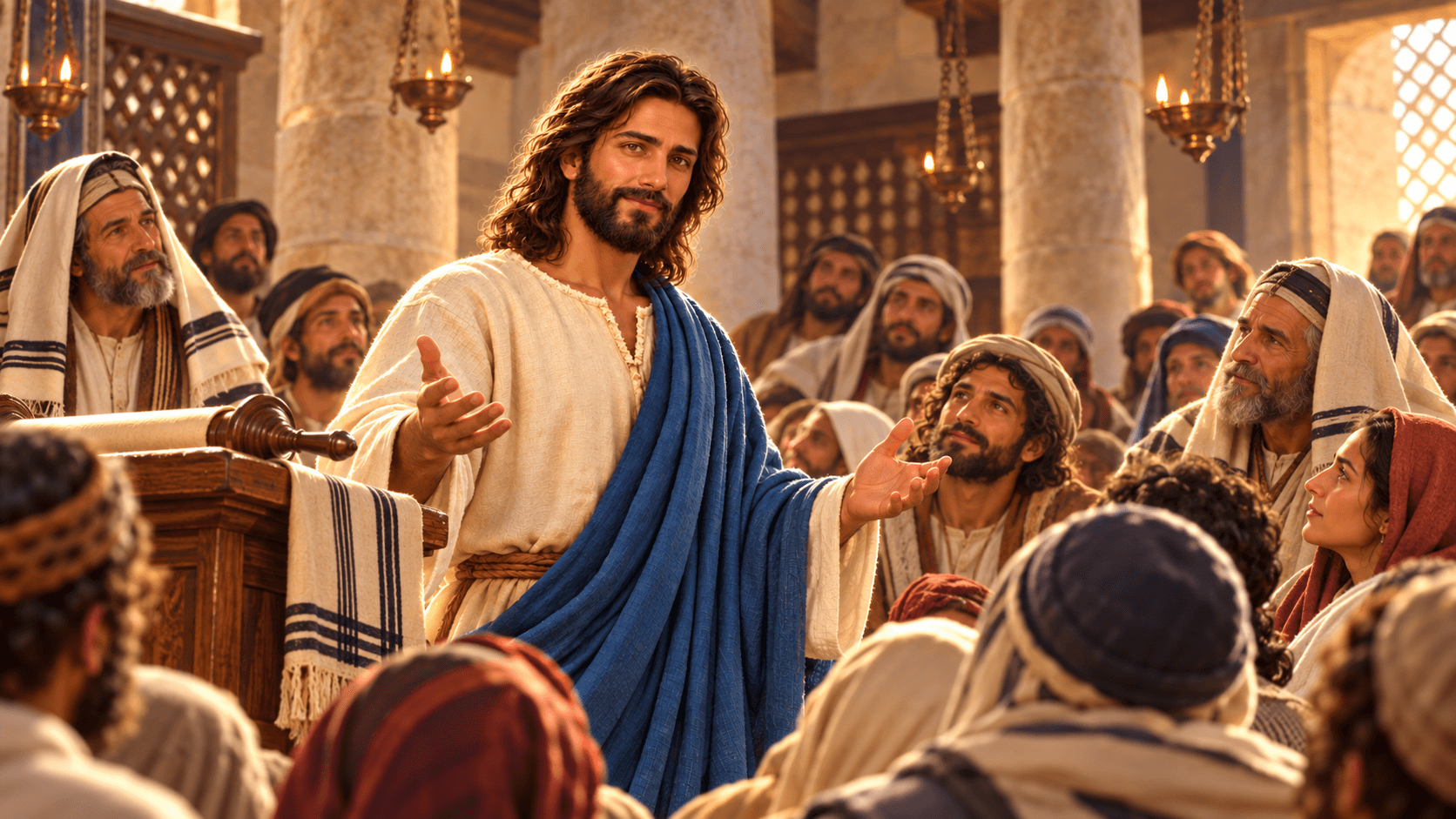
Illustrated scene from Jesus's story: The Bread of Life (John 6:22–71)
Meet the people of the Bible
Follow their lives in order, with illustrated scenes and Bible passages that tell their stories.
 Jesus

Photo: Gary Todd (Gary Lee Todd, Ph.D.), via Wikimedia Commons. License: CC0 1.0 Universal Public Domain Dedication. Source. Location: Southern end of the Temple Mount, Jerusalem Old City. Resized for the web.
Explore the places of the Bible
See where biblical events happened, why each place matters, and what archaeology helps us understand.
Jerusalem
David's capital, the city of the temple, and the place where Jesus died and rose again.
Get full access with one subscription
Explore the people and places of the Bible. Read summaries of every book, with images and clear explanations covering every chapter. Access all these features and our Bible study tools with one subscription.
See PlansAsk AI about John 6:67
Ask a question about this verse and get a clear answer, with Bible references you can read for yourself.
Every Bible book, explained chapter by chapter
Explore summaries of every book of the Bible, with images and easy-to-understand explanations covering every chapter.
Keep studying John 6:67
Related Bible verses
Key themes
Related topics
At a Glance — the Book of John
- Author
- John the apostle
- Written
- Around AD 85-95
- Genre
- Gospel
- Original Audience
- All believers
Frequently Asked Questions
Quick, clear answers about this verse
What does John 6:67 mean?
In John 6:67, Jesus asks His twelve disciples if they want to leave Him after many others have turned away. This question highlights the difficulty of His teachings and the importance of their commitment to Him.
What does the phrase 'Will ye also go away?' indicate in John 6:67?
The phrase indicates Jesus' awareness of the struggles His followers face and invites the disciples to reflect on their dedication to Him amidst difficult teachings.
How does John 6:67 relate to discipleship?
John 6:67 illustrates the challenges of discipleship, showing that following Jesus requires commitment and the courage to stay even when faced with hard truths.
What can we learn from John 6:67 about faith?
From John 6:67, we learn that faith involves making a conscious choice to follow Jesus, especially during tough times when doubts may arise.
Daily Verse — straight to your inbox
A verse and a 2-sentence plain-English explanation, every morning. Free. Unsubscribe anytime.