Old Testament
Joshua 15:7
Read the Bible in clear, modern English—easy to understand, faithful to the meaning, and written for everyday readers.
The border went up to Debir from the Valley of Achor, then turned north toward Gilgal, which is before the Ascent of Adummim on the south side of the ravine. It continued to the waters of En Shemesh and ended at En Rogel.
Compare translations
And the border went up toward Debir from the valley of Achor, and so northward, looking toward Gilgal, that is before the going up to Adummim, which is on the south side of the river: and the border passed toward the waters of Enshemesh, and the goings out thereof were at Enrogel:
What Joshua 15:7 means
Plain-English insight for readers
In this verse, the description of the border of the land allocated to the tribe of Judah is provided. It outlines a specific path starting from the Valley of Achor, moving towards Debir, and then turning north towards Gilgal. The mention of geographical landmarks like the Ascent of Adummim and the waters of En Shemesh helps to visualize the area. The border's journey concludes at En Rogel, indicating the precise boundaries of the territory. This detailed description emphasizes the importance of land ownership and the fulfillment of God's promises to the Israelites regarding their inheritance in Canaan. The meticulous nature of the border description reflects the significance of land in biblical times, both for sustenance and identity.
How to apply Joshua 15:7 to your life
Understanding the significance of land in biblical times can help us appreciate the importance of our own spiritual inheritance. Just as the Israelites received their promised land, we too can claim the promises God has for us in our lives, fostering a sense of belonging and purpose.
Curated for this public verse page. Joshua Summary
Explore more of the Bible
Learn the Bible through its people and places
Get to know the people in Scripture through illustrated stories, and explore the places where they lived and traveled.

Illustrated scene from Joseph, Jacob's son's story: Joseph Is Born (Genesis 30:22–24)
Meet the people of the Bible
Follow their lives in order, with illustrated scenes and Bible passages that tell their stories.
 Joseph, Jacob's son
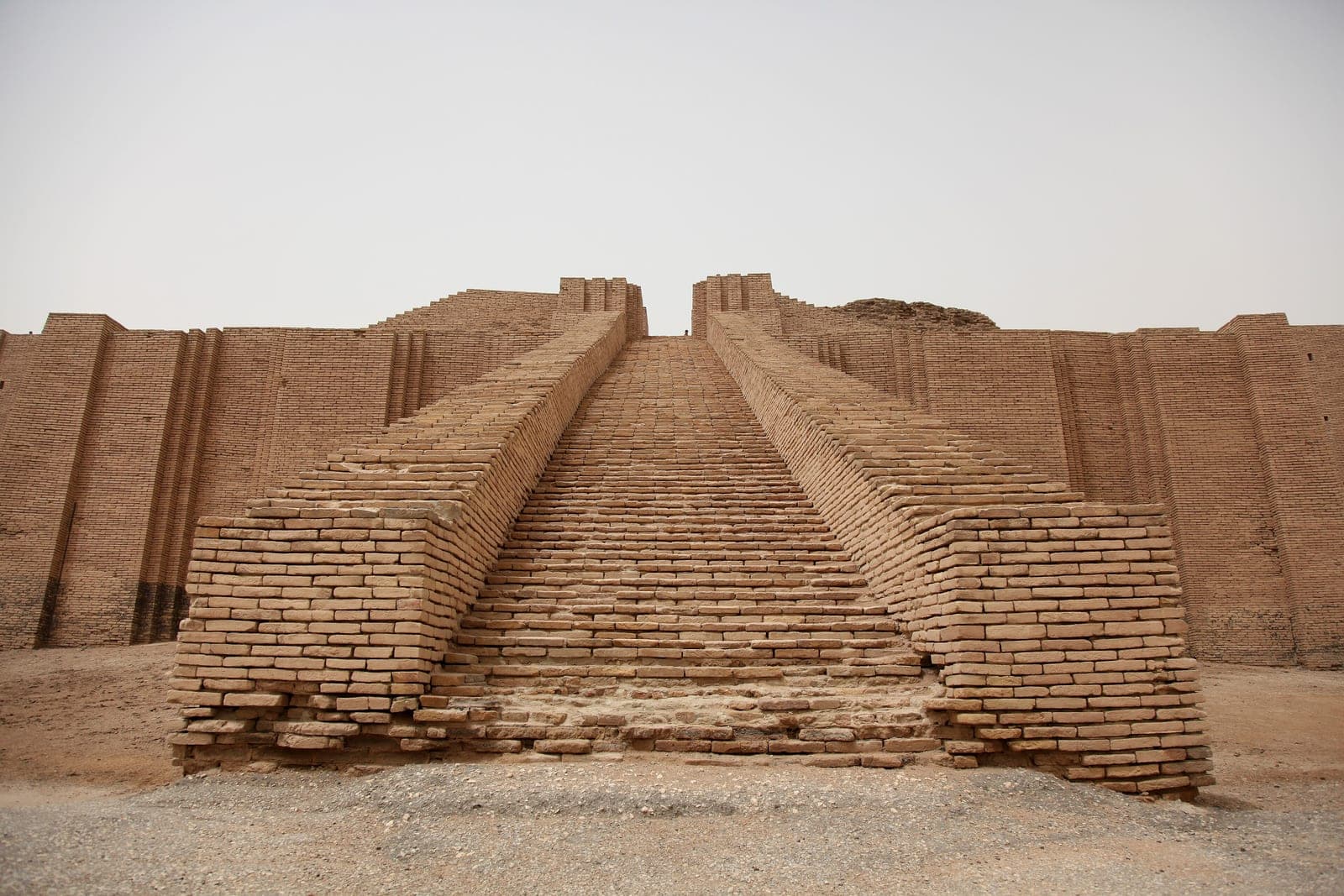
Photo: U.S. Army photo by Spc. Samantha R. Ciaramitaro, via DVIDS and Wikimedia Commons. License: Public domain in the United States — U.S. federal-government work. Source. Location: Great Ziggurat, Ur Archaeological City (Tell el-Mukayyar), Dhi Qar Governorate, Iraq. Resized for the web.
Explore the places of the Bible
See where biblical events happened, why each place matters, and what archaeology helps us understand.
Ur
The city Abram's family left to travel toward Canaan.
Get full access with one subscription
Explore the people and places of the Bible. Read summaries of every book, with images and clear explanations covering every chapter. Access all these features and our Bible study tools with one subscription.
See PlansAsk AI about Joshua 15:7
Ask a question about this verse and get a clear answer, with Bible references you can read for yourself.
Every Bible book, explained chapter by chapter
Explore summaries of every book of the Bible, with images and easy-to-understand explanations covering every chapter.
Keep studying Joshua 15:7
Related Bible verses
Key themes
Related topics
At a Glance — the Book of Joshua
- Author
- Traditionally attributed to Joshua and later compilers
- Written
- Around 1400-1370 BC
- Genre
- Historical narrative
- Original Audience
- The Israelites entering Canaan
Frequently Asked Questions
Quick, clear answers about this verse
What does Joshua 15:7 mean?
Joshua 15:7 describes the specific border of the land allocated to the tribe of Judah. It details the path of the border starting from the Valley of Achor, moving towards Debir, and concluding at En Rogel, highlighting the importance of land ownership for the Israelites.
What is the significance of the Valley of Achor in Joshua 15:7?
The Valley of Achor is significant as it marks the starting point of the border for Judah's territory. It symbolizes a place of transition, as it was associated with both judgment and restoration for the Israelites.
What geographical landmarks are mentioned in Joshua 15:7?
Joshua 15:7 mentions several geographical landmarks including Debir, Gilgal, the Ascent of Adummim, the waters of En Shemesh, and En Rogel. These landmarks help to define the boundaries of the land given to the tribe of Judah.
How does Joshua 15:7 relate to the concept of land inheritance?
Joshua 15:7 illustrates the detailed boundaries of land inheritance for the tribe of Judah, emphasizing the fulfillment of God's promises to the Israelites regarding their rightful possession of Canaan.
Daily Verse — straight to your inbox
A verse and a 2-sentence plain-English explanation, every morning. Free. Unsubscribe anytime.