Old Testament
Joshua 19:11
Read the Bible in clear, modern English—easy to understand, faithful to the meaning, and written for everyday readers.
Their border went up toward the sea, passed Maralah, reached Dabbasheth, and extended to the river that is before Jokneam.
Compare translations
And their border went up toward the sea, and Maralah, and reached to Dabbasheth, and reached to the river that is before Jokneam;
What Joshua 19:11 means
Plain-English insight for readers
In Joshua 19:11, the verse describes the geographical boundaries of a specific territory allocated to one of the tribes of Israel. The border begins by moving toward the sea, indicating a coastal region. It then mentions Maralah, a location that marks part of the boundary, followed by Dabbasheth, another significant point. The verse concludes by stating that the border extends to a river located before Jokneam, which helps to define the limits of the land. This detailed description of borders is important for understanding the distribution of land among the tribes of Israel, emphasizing the fulfillment of God's promise to give them a homeland. The specific locations mentioned may not be well-known today, but they were significant in the context of the ancient Israelites, serving as markers of their inheritance and identity as a people settled in the Promised Land.
How to apply Joshua 19:11 to your life
Understanding the boundaries set for the tribes of Israel can remind us of the importance of knowing our own spiritual boundaries and inheritance in life. Just as the Israelites received their land, we too have a spiritual inheritance that we should recognize and cherish, guiding our actions and decisions.
Curated for this public verse page. Joshua Summary
Explore more of the Bible
Learn the Bible through its people and places
Get to know the people in Scripture through illustrated stories, and explore the places where they lived and traveled.

Illustrated scene from David's story: Samuel Anoints David (1 Samuel 16:1–13)
Meet the people of the Bible
Follow their lives in order, with illustrated scenes and Bible passages that tell their stories.
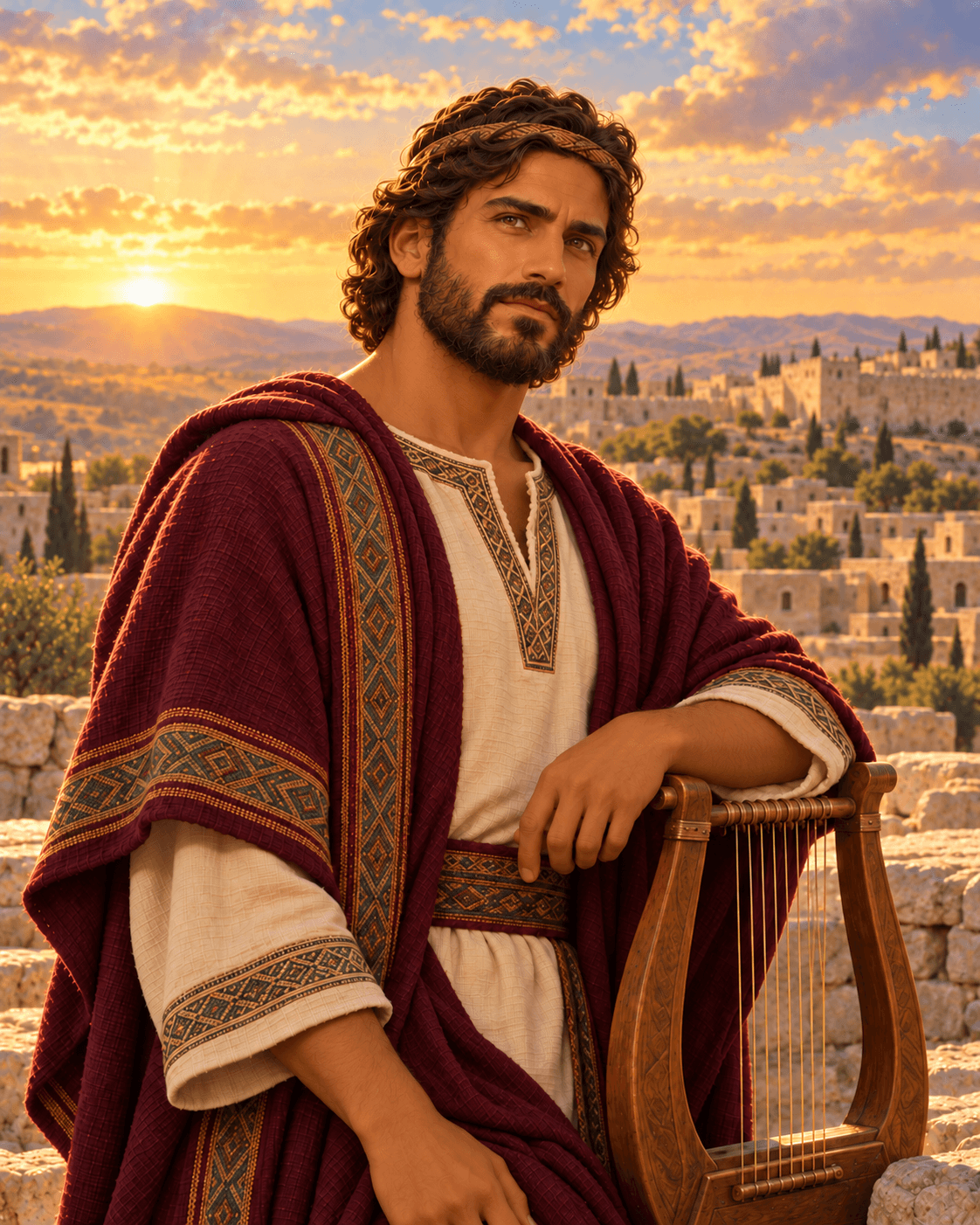 David
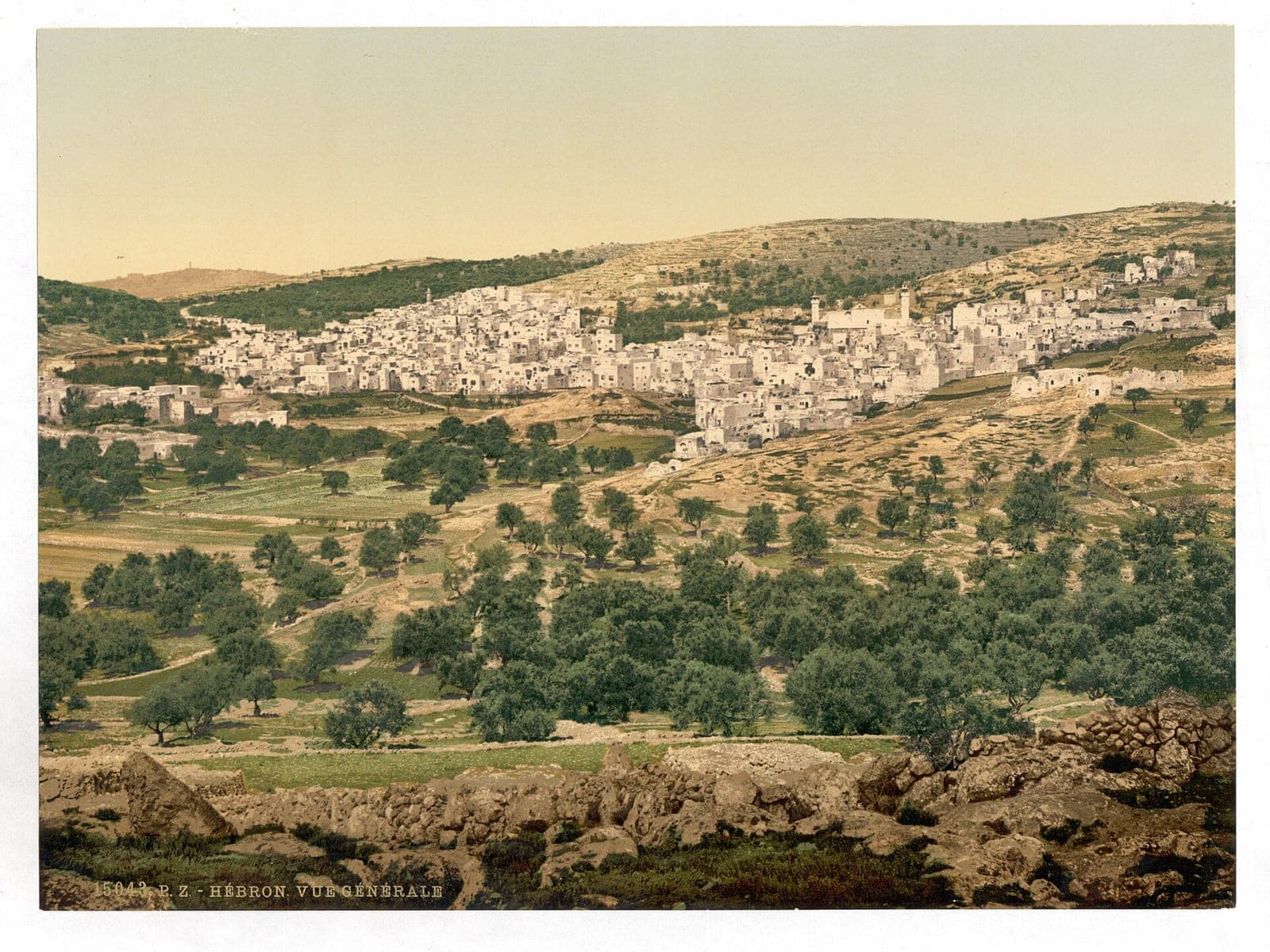
Photo: Photochrom print, Library of Congress Prints and Photographs Division (LCCN 2002724987). License: Public domain in the United States; Library of Congress states no known restrictions on publication. Source. Location: Hebron, West Bank; print preserved by the Library of Congress. Resized for the web.
Explore the places of the Bible
See where biblical events happened, why each place matters, and what archaeology helps us understand.
Hebron
Where Abraham lived and buried Sarah, and where David was first made king.
Get full access with one subscription
Explore the people and places of the Bible. Read summaries of every book, with images and clear explanations covering every chapter. Access all these features and our Bible study tools with one subscription.
See PlansAsk AI about Joshua 19:11
Ask a question about this verse and get a clear answer, with Bible references you can read for yourself.
Every Bible book, explained chapter by chapter
Explore summaries of every book of the Bible, with images and easy-to-understand explanations covering every chapter.
Keep studying Joshua 19:11
Related Bible verses
Key themes
Related topics
At a Glance — the Book of Joshua
- Author
- Traditionally attributed to Joshua and later compilers
- Written
- Around 1400-1370 BC
- Genre
- Historical narrative
- Original Audience
- The Israelites entering Canaan
Frequently Asked Questions
Quick, clear answers about this verse
What does Joshua 19:11 mean?
Joshua 19:11 describes the geographical boundaries of a territory allocated to one of the tribes of Israel. It outlines the border's direction toward the sea, passing notable locations like Maralah and Dabbasheth, and extending to a river near Jokneam.
What is the significance of Maralah in Joshua 19:11?
Maralah is mentioned as a key location in the boundary description of a tribal territory in Joshua 19:11. It serves as a marker that helps define the limits of the land allocated to the tribe.
What does the river before Jokneam represent in Joshua 19:11?
The river before Jokneam in Joshua 19:11 marks the endpoint of the border for the territory being described. It signifies the geographical limit of the land assigned to the tribe, highlighting the importance of defined boundaries.
How does Joshua 19:11 relate to tribal inheritance?
Joshua 19:11 illustrates the concept of tribal inheritance by specifying the boundaries of land allocated to a tribe. This allocation is crucial for understanding the identity and settlement of the Israelites in the Promised Land.
Daily Verse — straight to your inbox
A verse and a 2-sentence plain-English explanation, every morning. Free. Unsubscribe anytime.