Old Testament
Joshua 19:20
Read the Bible in clear, modern English—easy to understand, faithful to the meaning, and written for everyday readers.
Rabbith, Kishion, and Abez,
Compare translations
And Rabbith, and Kishion, and Abez,
What Joshua 19:20 means
Plain-English insight for readers
In Joshua 19:20, the names Rabbith, Kishion, and Abez are mentioned as part of the territory allocated to the tribe of Issachar. This verse highlights the specific towns that were given to the tribe as they settled in the Promised Land. Each name represents a location that played a role in the life and culture of the Israelites. The allocation of land was significant as it fulfilled God's promise to the Israelites, ensuring that each tribe had a place to call home. The mention of these towns also reflects the importance of community and identity among the tribes of Israel. Understanding these locations helps us appreciate the historical context of the Israelites' journey and their relationship with God, who guided them to their inheritance. This verse, while brief, is part of a larger narrative that emphasizes God's faithfulness in providing for His people and the importance of their heritage.
How to apply Joshua 19:20 to your life
This verse reminds us of the importance of recognizing our roots and the places that shape our identity. Just as the Israelites were given specific lands, we too can reflect on the communities and environments that influence our lives. Embracing our heritage can strengthen our sense of belonging and purpose.
Curated for this public verse page. Joshua Summary
Explore more of the Bible
Learn the Bible through its people and places
Get to know the people in Scripture through illustrated stories, and explore the places where they lived and traveled.

Illustrated scene from David's story: Samuel Anoints David (1 Samuel 16:1–13)
Meet the people of the Bible
Follow their lives in order, with illustrated scenes and Bible passages that tell their stories.
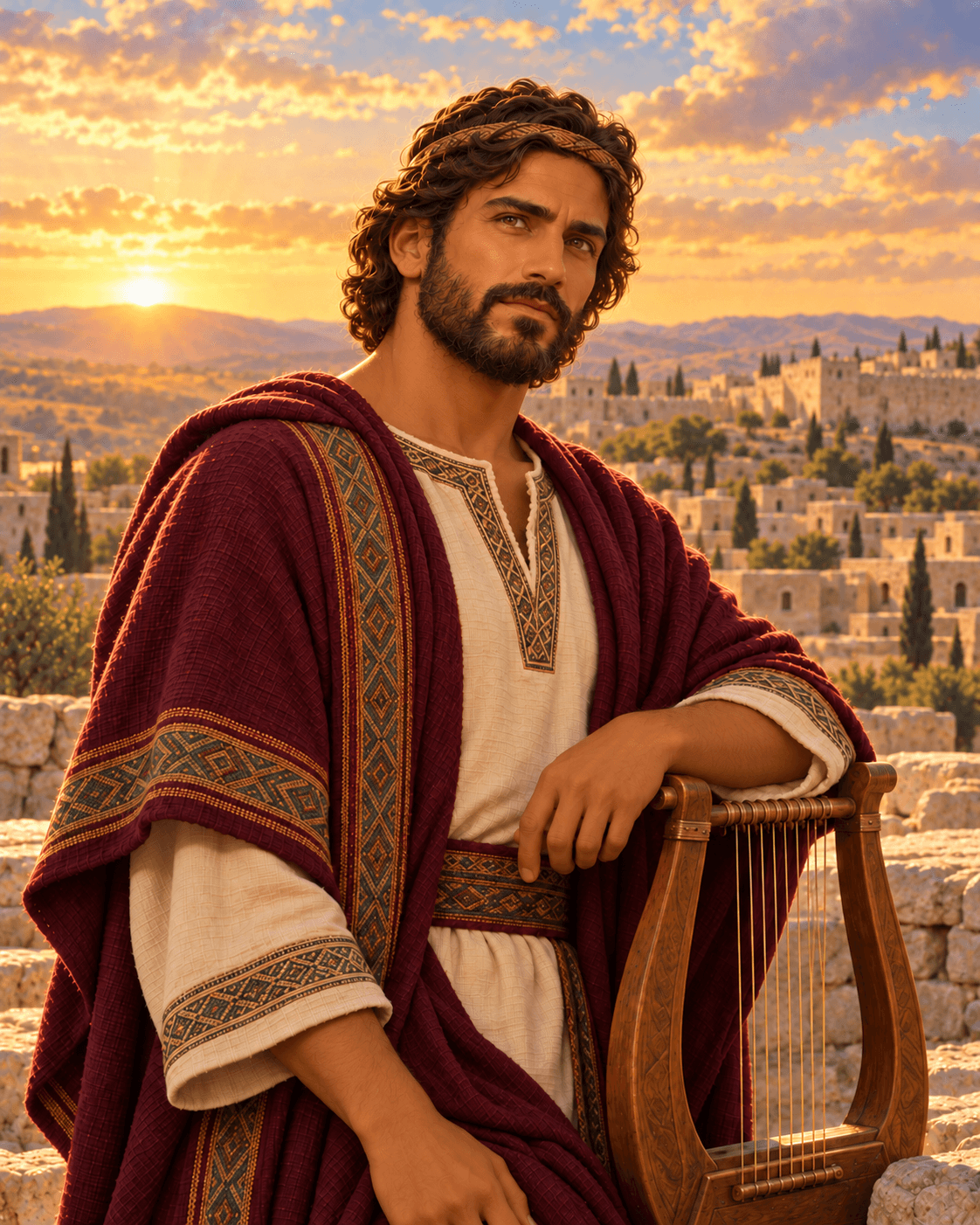 David
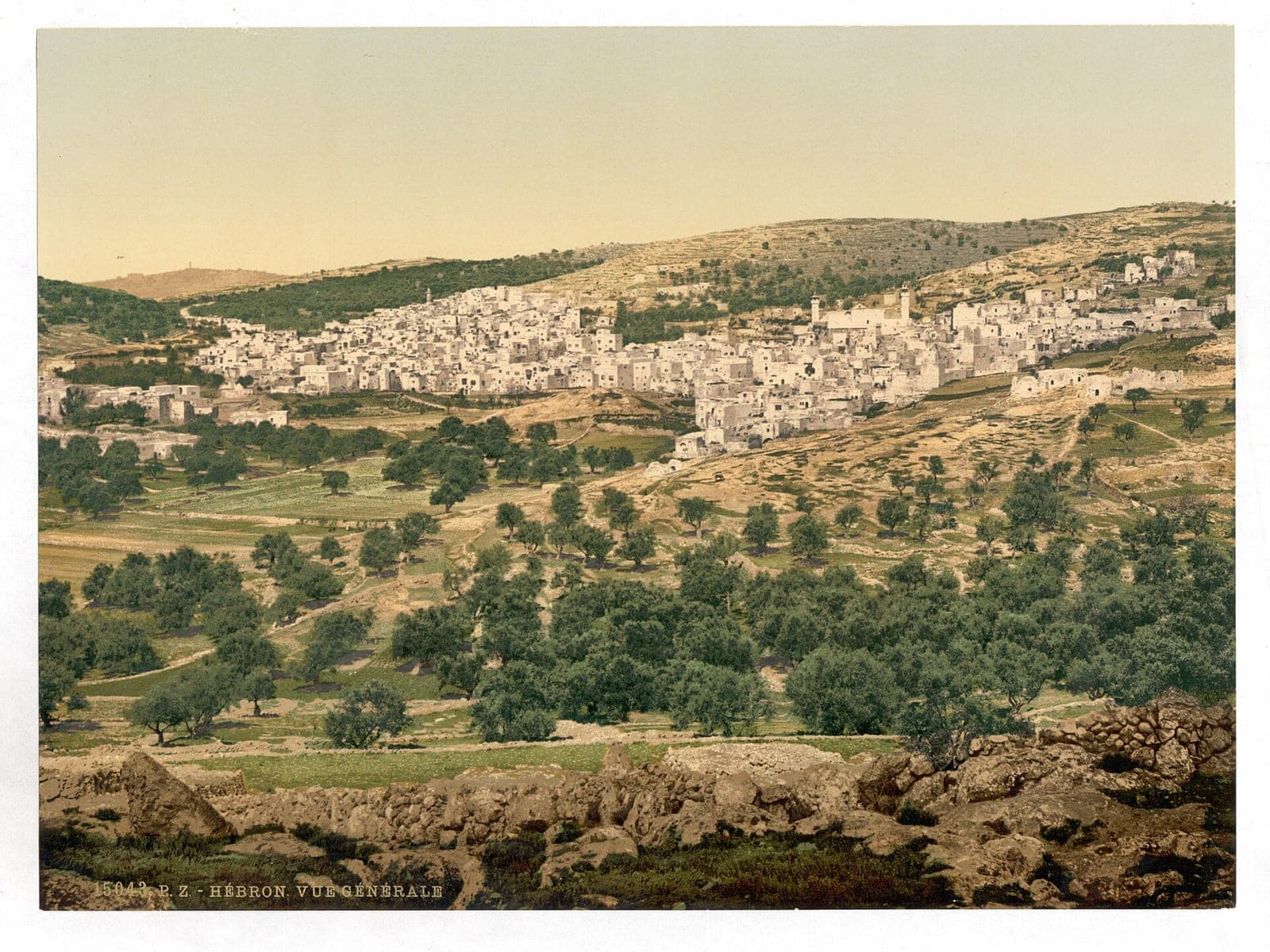
Photo: Photochrom print, Library of Congress Prints and Photographs Division (LCCN 2002724987). License: Public domain in the United States; Library of Congress states no known restrictions on publication. Source. Location: Hebron, West Bank; print preserved by the Library of Congress. Resized for the web.
Explore the places of the Bible
See where biblical events happened, why each place matters, and what archaeology helps us understand.
Hebron
Where Abraham lived and buried Sarah, and where David was first made king.
Get full access with one subscription
Explore the people and places of the Bible. Read summaries of every book, with images and clear explanations covering every chapter. Access all these features and our Bible study tools with one subscription.
See PlansAsk AI about Joshua 19:20
Ask a question about this verse and get a clear answer, with Bible references you can read for yourself.
Every Bible book, explained chapter by chapter
Explore summaries of every book of the Bible, with images and easy-to-understand explanations covering every chapter.
Keep studying Joshua 19:20
Related Bible verses
Key themes
Related topics
At a Glance — the Book of Joshua
- Author
- Traditionally attributed to Joshua and later compilers
- Written
- Around 1400-1370 BC
- Genre
- Historical narrative
- Original Audience
- The Israelites entering Canaan
Frequently Asked Questions
Quick, clear answers about this verse
What does Joshua 19:20 say about the tribe of Issachar?
Joshua 19:20 lists the towns of Rabbith, Kishion, and Abez as part of the territory allocated to the tribe of Issachar. This allocation signifies the fulfillment of God's promise to give each tribe a designated land in the Promised Land, highlighting the importance of community and identity among the Israelites.
Why are the towns Rabbith, Kishion, and Abez significant?
These towns are significant as they represent the specific locations where the tribe of Issachar settled. Each town played a role in the life and culture of the Israelites, reflecting their heritage and the fulfillment of God's promise to provide them with a homeland.
How does Joshua 19:20 relate to God's promises?
Joshua 19:20 illustrates God's faithfulness in fulfilling His promises to the Israelites by providing them with land. The allocation of territory to the tribes, including Issachar, demonstrates God's commitment to His people and His guidance in their journey to establish a home in the Promised Land.
What can we learn from the land allocation in Joshua 19:20?
The land allocation in Joshua 19:20 teaches us about the importance of recognizing our roots and heritage. Just as the Israelites were given specific lands, we can reflect on the communities that shape our identities, which can enhance our sense of belonging and purpose in life.
Daily Verse — straight to your inbox
A verse and a 2-sentence plain-English explanation, every morning. Free. Unsubscribe anytime.