Old Testament
Joshua 4:7
Read the Bible in clear, modern English—easy to understand, faithful to the meaning, and written for everyday readers.
Then you shall tell them, 'The waters of the Jordan were cut off in front of the ark of the covenant of the LORD. When it crossed the Jordan, the waters were stopped.' These stones will serve as a lasting memorial for the children of Israel.
Compare translations
Then ye shall answer them, That the waters of Jordan were cut off before the ark of the covenant of the LORD; when it passed over Jordan, the waters of Jordan were cut off: and these stones shall be for a memorial unto the children of Israel for ever.
What Joshua 4:7 means
Plain-English insight for readers
In this verse, God instructs the Israelites to remember a significant event in their history. When the ark of the covenant, which represents God's presence, crossed the Jordan River, the waters were miraculously stopped. This act allowed the people to cross safely on dry ground. To commemorate this miracle, they are to set up stones as a lasting memorial. These stones will remind future generations of God's power and faithfulness in leading them into the Promised Land. The act of remembering is crucial in maintaining faith and understanding God's role in their lives. By sharing this story, they ensure that the memory of God's miraculous intervention is passed down, reinforcing their identity as His chosen people.
How to apply Joshua 4:7 to your life
We can apply this lesson by creating our own memorials to remember God's faithfulness in our lives. This could be through journaling, sharing stories with others, or setting up physical reminders. Remembering God's past actions strengthens our faith and encourages us during challenging times.
Curated for this public verse page. Joshua Summary
Learn the Bible through its people and places
Get to know the people in Scripture through illustrated stories, and explore the places where they lived and traveled.

Illustrated scene from Joshua's story: Crossing the Jordan (Joshua 3:1–4:24)
Meet the people of the Bible
Follow their lives in order, with illustrated scenes and Bible passages that tell their stories.
 Joshua
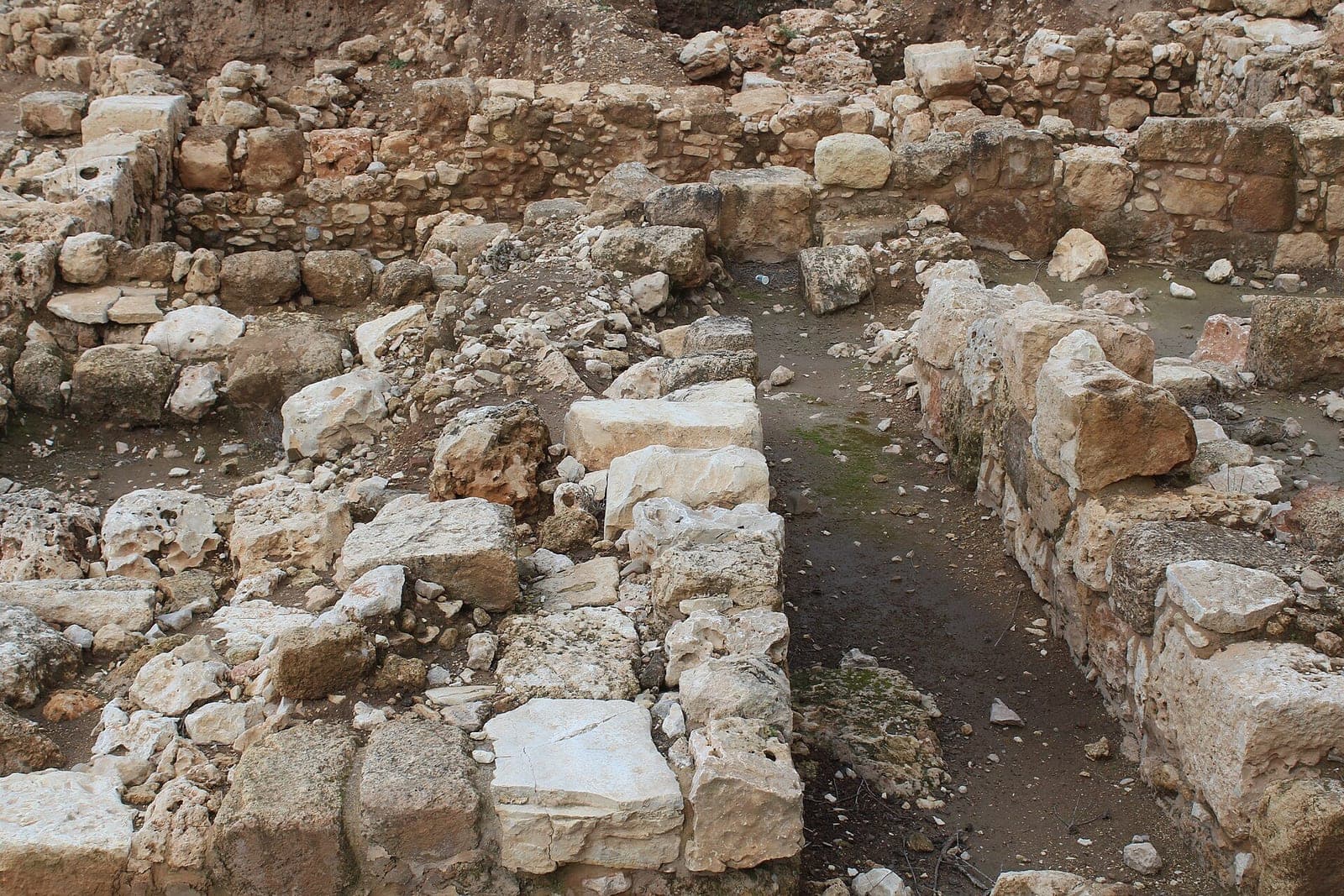
Photo: Deror Avi, via Wikimedia Commons. License: CC BY-SA 4.0. Source. Location: Tel Shiloh archaeological site, West Bank. Resized for the web.
Explore the places of the Bible
See where biblical events happened, why each place matters, and what archaeology helps us understand.
Shiloh
Where Israel set up the tabernacle, and where God called the boy Samuel.
Get full access with one subscription
Explore the people and places of the Bible. Read summaries of every book, with images and clear explanations covering every chapter. Access all these features and our Bible study tools with one subscription.
See PlansAsk AI about Joshua 4:7
Ask a question about this verse and get a clear answer, with Bible references you can read for yourself.
Every Bible book, explained chapter by chapter
Explore summaries of every book of the Bible, with images and easy-to-understand explanations covering every chapter.
Keep studying Joshua 4:7
Related Bible verses
Related topics
At a Glance — the Book of Joshua
- Author
- Traditionally attributed to Joshua and later compilers
- Written
- Around 1400-1370 BC
- Genre
- Historical narrative
- Original Audience
- The Israelites entering Canaan
Frequently Asked Questions
Quick, clear answers about this verse
What does Joshua 4:7 teach us about remembering God's miracles?
Joshua 4:7 emphasizes the importance of remembering God's miraculous acts, specifically how He stopped the Jordan River to allow the Israelites to cross. This verse encourages believers to create memorials or reminders of God's faithfulness in their lives, ensuring that future generations understand His power and presence. By recalling these events, we strengthen our faith and maintain a connection to our spiritual heritage.
Why did God instruct the Israelites to set up stones as a memorial?
God instructed the Israelites to set up stones as a memorial to commemorate the miraculous crossing of the Jordan River. This physical reminder serves to teach future generations about God's faithfulness and power. It acts as a tangible symbol of their identity as God's chosen people and reinforces the importance of remembering His interventions in their lives.
How can we create our own memorials to remember God's faithfulness?
We can create our own memorials by journaling significant events where we experienced God's faithfulness, sharing testimonies with friends and family, or setting up physical reminders like stones or artwork in our homes. These practices help us reflect on God's past actions, strengthen our faith, and encourage us during difficult times by reminding us of His unwavering support.
What is the significance of the ark of the covenant in Joshua 4:7?
In Joshua 4:7, the ark of the covenant represents God's presence among the Israelites. Its crossing of the Jordan River signifies God's active involvement in leading His people into the Promised Land. The ark serves as a reminder of the covenant relationship between God and Israel, highlighting His faithfulness and the importance of obedience to His commands.
Daily Verse — straight to your inbox
A verse and a 2-sentence plain-English explanation, every morning. Free. Unsubscribe anytime.