Old Testament
Lamentations 1:11
Read the Bible in clear, modern English—easy to understand, faithful to the meaning, and written for everyday readers.
All her people groan as they search for bread; they have traded their precious things for meat to relieve the soul. Look, O LORD, and consider, for I have become vile.
Compare translations
All her people sigh, they seek bread; they have given their pleasant things for meat to relieve the soul: see, O LORD, and consider; for I am become vile.
What Lamentations 1:11 means
Plain-English insight for readers
In Lamentations 1:11, the speaker describes the deep suffering of the people who are in desperate need of food. They are so hungry that they have exchanged their valuable possessions for something as basic as meat to satisfy their hunger. This reflects their dire situation and the extent of their despair. The speaker calls out to God, asking Him to notice their plight and acknowledges their own feelings of worthlessness or vileness in the face of such suffering. This verse highlights the physical and emotional toll of famine and loss, illustrating how desperation can lead people to make significant sacrifices just to survive. It serves as a poignant reminder of the human condition in times of crisis, where basic needs become paramount, and the struggle for survival overshadows all else.
How to apply Lamentations 1:11 to your life
This verse encourages us to recognize the struggles of those around us who are in need. It challenges us to be compassionate and to offer help where we can, whether through material support or emotional encouragement. We should also reflect on our own values and priorities during difficult times.
Curated for this public verse page. Lamentations Summary
Explore more of the Bible
Learn the Bible through its people and places
Get to know the people in Scripture through illustrated stories, and explore the places where they lived and traveled.

Illustrated scene from Moses's story: Israel Enslaved in Egypt (Exodus 1:8–22)
Meet the people of the Bible
Follow their lives in order, with illustrated scenes and Bible passages that tell their stories.
 Moses
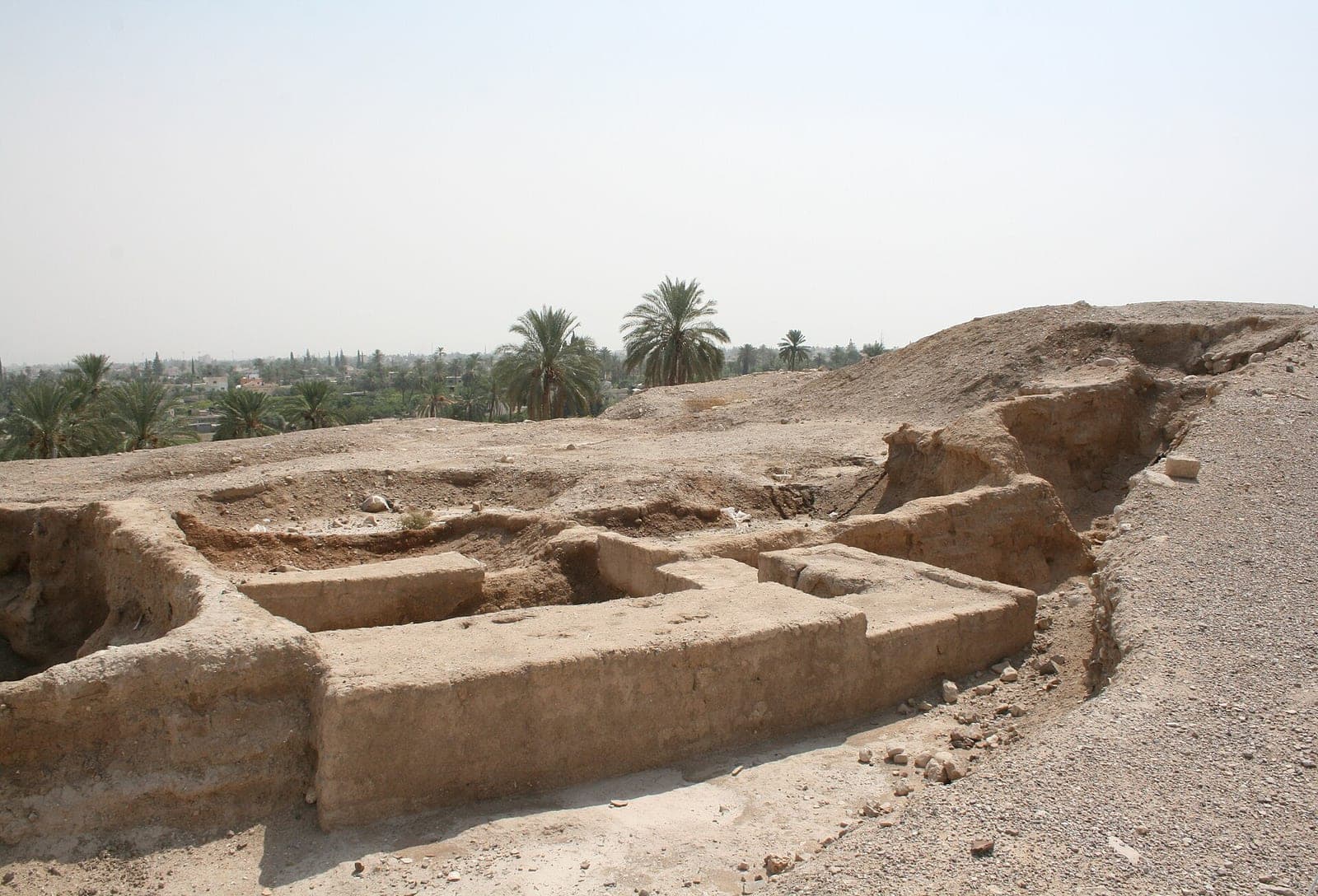
Photo: Diego Delso, via Wikimedia Commons. License: CC BY-SA 3.0. Source. Location: Tell es-Sultan, Jericho, West Bank. Resized for the web.
Explore the places of the Bible
See where biblical events happened, why each place matters, and what archaeology helps us understand.
Jericho
The city of palm trees, whose walls fell in Joshua's day.
Get full access with one subscription
Explore the people and places of the Bible. Read summaries of every book, with images and clear explanations covering every chapter. Access all these features and our Bible study tools with one subscription.
See PlansAsk AI about Lamentations 1:11
Ask a question about this verse and get a clear answer, with Bible references you can read for yourself.
Every Bible book, explained chapter by chapter
Explore summaries of every book of the Bible, with images and easy-to-understand explanations covering every chapter.
Keep studying Lamentations 1:11
Related Bible verses
Key themes
Related topics
At a Glance — the Book of Lamentations
- Author
- Traditionally attributed to Jeremiah
- Written
- Around 586 BC
- Genre
- Poetry and lament
- Original Audience
- Judah after the fall of Jerusalem
Frequently Asked Questions
Quick, clear answers about this verse
What does Lamentations 1:11 mean?
Lamentations 1:11 expresses the profound suffering of the people who are so desperate for food that they trade their valuable possessions for basic sustenance like meat. This verse highlights their dire circumstances and emotional despair, as they cry out to God for recognition of their plight. It emphasizes the extent of their suffering and the feeling of worthlessness that can accompany such hardship.
How can Lamentations 1:11 be applied today?
This verse serves as a reminder to be aware of those who are struggling in our communities. It encourages us to show compassion and offer assistance to those in need, whether through food donations, financial help, or emotional support. Additionally, it prompts us to reflect on our own priorities and values, especially during challenging times, reminding us of the importance of empathy and support for one another.
What themes are present in Lamentations 1:11?
Lamentations 1:11 encompasses several key themes, including desperation, suffering, and sacrifice. It illustrates the human condition during times of crisis, where basic needs take precedence over material possessions. The verse also touches on the need for divine attention, as the speaker calls out to God to acknowledge their suffering, highlighting the relationship between humanity and the divine in times of distress.
Why does the speaker feel vile in Lamentations 1:11?
The speaker feels vile in Lamentations 1:11 due to the extreme circumstances they are facing, which lead to feelings of worthlessness and despair. In the context of their suffering and the sacrifices they have made for survival, the speaker acknowledges their low state and the emotional toll that such desperation can take on a person. This feeling of vileness reflects the deep impact of loss and hardship on one's sense of self.
Daily Verse — straight to your inbox
A verse and a 2-sentence plain-English explanation, every morning. Free. Unsubscribe anytime.