Old Testament
Lamentations 4:6
Read the Bible in clear, modern English—easy to understand, faithful to the meaning, and written for everyday readers.
The punishment of my people is greater than what fell on Sodom, which was destroyed in an instant without a hand being raised against it.
Compare translations
For the punishment of the iniquity of the daughter of my people is greater than the punishment of the sin of Sodom, that was overthrown as in a moment, and no hands stayed on her.
What Lamentations 4:6 means
Plain-English insight for readers
In Lamentations 4:6, the author reflects on the severe suffering of the people of Jerusalem, comparing it to the destruction of Sodom. Sodom was destroyed quickly and without resistance, but the punishment faced by Jerusalem is portrayed as even more intense and prolonged. This verse emphasizes the depth of the consequences of sin and the seriousness of the people's transgressions. The author laments that the suffering of Jerusalem is not just physical but also spiritual, highlighting the weight of their iniquities. The comparison serves to illustrate that while Sodom's fate was swift, the anguish of Jerusalem is ongoing, suggesting a divine judgment that is both just and severe. This verse calls attention to the gravity of sin and the need for repentance, as the consequences can be far-reaching and devastating. It serves as a reminder of the importance of turning back to God to avoid such dire outcomes.
How to apply Lamentations 4:6 to your life
This verse encourages us to reflect on our own lives and the consequences of our actions. It serves as a reminder to seek repentance and turn away from sin, understanding that the weight of our choices can lead to significant suffering. We should strive to live in alignment with God's will.
Curated for this public verse page. Lamentations Summary
Explore more of the Bible
Learn the Bible through its people and places
Get to know the people in Scripture through illustrated stories, and explore the places where they lived and traveled.

Illustrated scene from Ruth's story: Three Widows (Ruth 1:1–5)
Meet the people of the Bible
Follow their lives in order, with illustrated scenes and Bible passages that tell their stories.
 Ruth
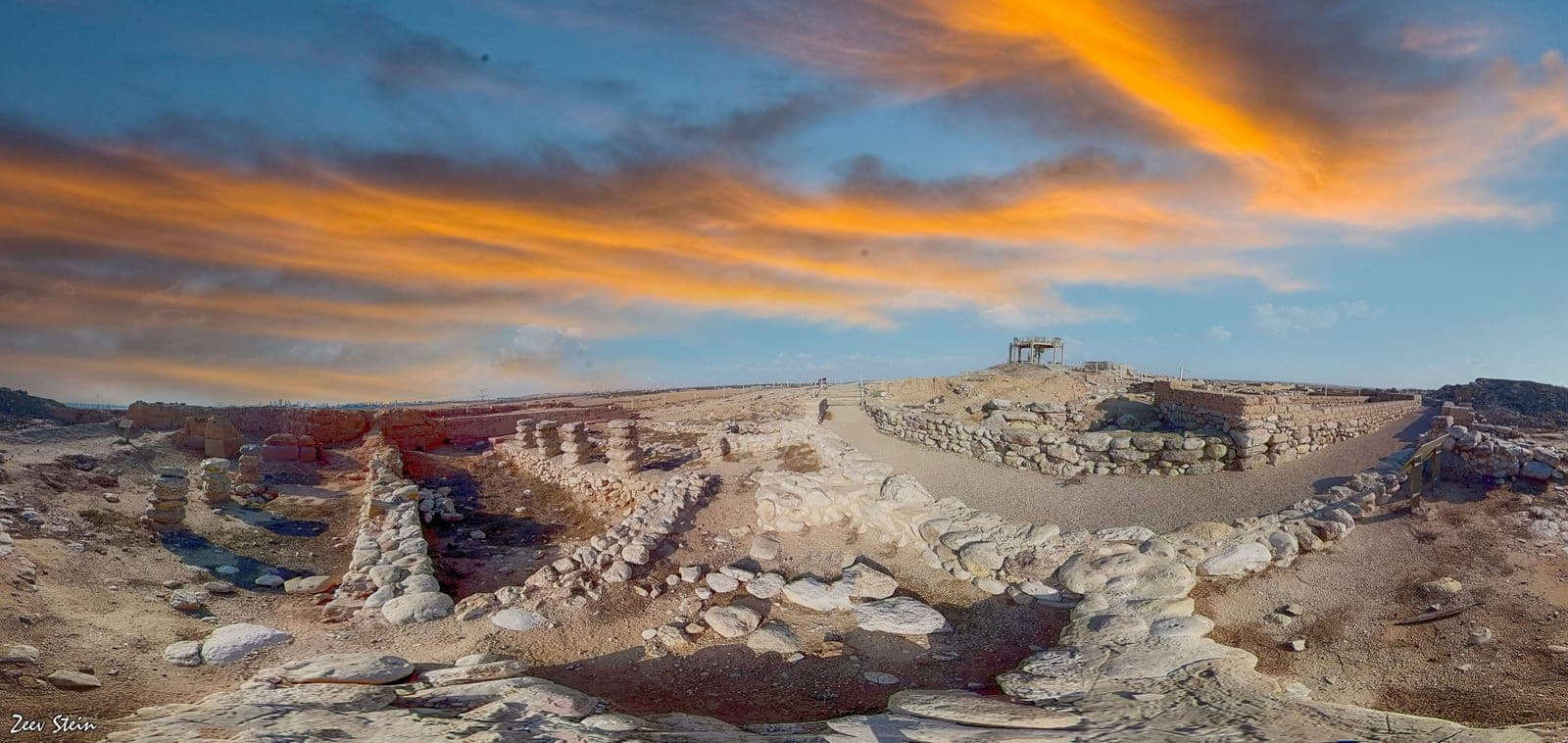
Photo: Zeev Stein / PikiWiki Israel, via Wikimedia Commons. License: CC BY 2.5. Source. Location: Tel Beer Sheva National Park, Israel. Resized for the web.
Explore the places of the Bible
See where biblical events happened, why each place matters, and what archaeology helps us understand.
Beersheba
Where Abraham and Isaac dug wells and worshiped the LORD, at the southern edge of the land.
Get full access with one subscription
Explore the people and places of the Bible. Read summaries of every book, with images and clear explanations covering every chapter. Access all these features and our Bible study tools with one subscription.
See PlansAsk AI about Lamentations 4:6
Ask a question about this verse and get a clear answer, with Bible references you can read for yourself.
Every Bible book, explained chapter by chapter
Explore summaries of every book of the Bible, with images and easy-to-understand explanations covering every chapter.
Keep studying Lamentations 4:6
Related Bible verses
Key themes
Related topics
At a Glance — the Book of Lamentations
- Author
- Traditionally attributed to Jeremiah
- Written
- Around 586 BC
- Genre
- Poetry and lament
- Original Audience
- Judah after the fall of Jerusalem
Frequently Asked Questions
Quick, clear answers about this verse
What does Lamentations 4:6 mean?
Lamentations 4:6 compares the suffering of Jerusalem to the destruction of Sodom, emphasizing that the punishment faced by Jerusalem is even greater. While Sodom was destroyed quickly and without resistance, the anguish of Jerusalem is portrayed as prolonged and intense. This verse highlights the seriousness of sin and the consequences that follow, urging the people to recognize the weight of their iniquities and the need for repentance.
How does Lamentations 4:6 relate to the concept of divine judgment?
This verse illustrates divine judgment by showing that the suffering of Jerusalem is a direct result of their sins. It serves as a warning that God's judgment can be severe and that the consequences of sin can lead to deep spiritual and physical anguish. The comparison to Sodom underscores that while some judgments may seem swift, others can be drawn out, calling for reflection on one's actions and the importance of turning back to God.
What lessons can we learn from Lamentations 4:6?
Lamentations 4:6 teaches us about the gravity of sin and the importance of repentance. It reminds us that our actions have consequences, and we should strive to align our lives with God's will to avoid suffering. The verse encourages self-reflection and a commitment to seeking forgiveness, emphasizing that turning away from sin is crucial for spiritual health and well-being.
Why is Sodom mentioned in Lamentations 4:6?
Sodom is mentioned in Lamentations 4:6 as a point of comparison to illustrate the severity of Jerusalem's punishment. Sodom's destruction was swift and complete, serving as a stark contrast to the prolonged suffering of Jerusalem. This comparison highlights the depth of the consequences of sin and serves as a reminder of the seriousness of turning away from God.
Daily Verse — straight to your inbox
A verse and a 2-sentence plain-English explanation, every morning. Free. Unsubscribe anytime.