Leviticus 13:56
But if the priest examines it and the contamination has faded after washing, he must tear the affected section out of the garment, the leather, or the threads.
What Leviticus 13:56 means
Plain-English insight for readers
In Leviticus 13:56, the priest is instructed to examine a garment or leather item for signs of contamination, which could indicate a skin disease. If, after washing, the discoloration remains, it suggests that the contamination is still present. In such cases, the priest must remove the affected part of the material to prevent the spread of the disease. This process emphasizes the importance of cleanliness and the need to take decisive action when dealing with potential contamination. The removal of the affected section serves both as a practical measure to protect the community and as a symbolic act of purifying what is unclean. This reflects the broader biblical theme of holiness and the need for God's people to maintain purity in their lives and surroundings.
How to apply Leviticus 13:56 to your life
This verse teaches us the importance of addressing issues of contamination or sin in our lives. Just as the priest had to take action to remove the affected part, we should be proactive in dealing with negative influences or behaviors that can harm our spiritual health and the well-being of those around us.
In the King James Version
And if the priest look, and, behold, the plague be somewhat dark after the washing of it; then he shall rend it out of the garment, or out of the skin, or out of the warp, or out of the woof:
Ask about this verse
Ask anything about Leviticus 13:56 and get a clear answer from Scripture.
Have a question about this verse? Explore it with ClearBible.
Premium answers your questions about any verse from Scripture itself, shows the verses it rests on, and opens Clear on every passage. You also get all 66 book summaries.
7 days free, then $99/year. Card required. Cancel anytime.
Explore more of the Bible
Learn the Bible through its people and places
Get to know the people in Scripture through illustrated stories, and explore the places where they lived and traveled.

Illustrated scene from David's story: Samuel Anoints David (1 Samuel 16:1–13)
Meet the people of the Bible
Follow their lives in order, with illustrated scenes and Bible passages that tell their stories.
 David
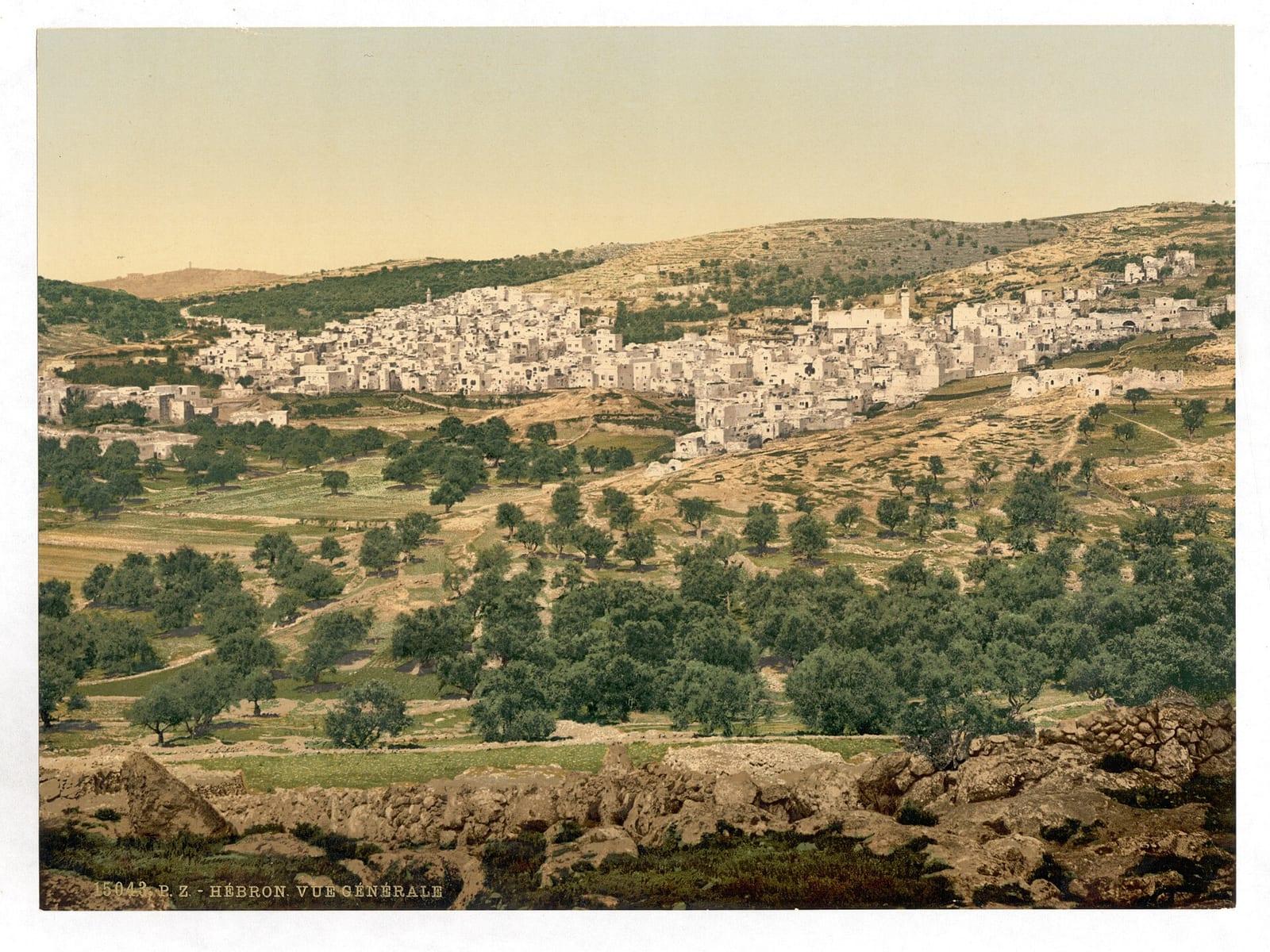
Photo: Photochrom print, Library of Congress Prints and Photographs Division (LCCN 2002724987). License: Public domain in the United States; Library of Congress states no known restrictions on publication. Source. Location: Hebron, West Bank; print preserved by the Library of Congress. Resized for the web.
Explore the places of the Bible
See where biblical events happened, why each place matters, and what archaeology helps us understand.
Hebron
Where Abraham lived and buried Sarah, and where David was first made king.
Every Bible book, explained chapter by chapter
Explore summaries of every book of the Bible, with images and easy-to-understand explanations covering every chapter.
Keep studying Leviticus 13:56
Related Bible verses
Key themes
Related topics
At a Glance — the Book of Leviticus
- Author
- Traditionally attributed to Moses
- Written
- Around 1400 BC
- Genre
- Law (Pentateuch)
- Original Audience
- The Israelites in the wilderness
Frequently Asked Questions
Quick, clear answers about this verse
What does Leviticus 13:56 mean?
Leviticus 13:56 instructs the priest to examine a garment or leather for signs of contamination. If discoloration remains after washing, the priest must remove the affected part to prevent the spread of disease, highlighting the importance of cleanliness and purity.
What is the significance of the priest's role in Leviticus 13:56?
In Leviticus 13:56, the priest's role is crucial as he is responsible for examining items for contamination. His actions ensure that any potential spread of disease is addressed, reflecting the community's need for health and purity.
What does 'contamination' refer to in Leviticus 13:56?
In Leviticus 13:56, 'contamination' refers to signs of a skin disease that may affect garments or leather. The verse emphasizes the need to identify and remove any affected material to maintain cleanliness.
How does Leviticus 13:56 relate to personal purity?
Leviticus 13:56 illustrates the importance of addressing contamination, which can be applied to personal purity. Just as the priest removes affected material, individuals should actively deal with negative influences or behaviors in their lives.
Daily Verse — straight to your inbox
A verse and a 2-sentence plain-English explanation, every morning. Free. Unsubscribe anytime.