Old Testament
Leviticus 19:23
Read the Bible in clear, modern English—easy to understand, faithful to the meaning, and written for everyday readers.
When you enter the land and plant all kinds of trees for food, consider the fruit as uncircumcised for the first three years. Do not eat any of it.
Compare translations
And when ye shall come into the land, and shall have planted all manner of trees for food, then ye shall count the fruit thereof as uncircumcised: three years shall it be as uncircumcised unto you: it shall not be eaten of.
What Leviticus 19:23 means
Plain-English insight for readers
In Leviticus 19:23, God instructs the Israelites on how to treat the fruit of newly planted trees. For the first three years after planting, the fruit is considered 'uncircumcised,' meaning it is not to be eaten. This practice emphasizes the importance of patience and respect for the land and its produce. The term 'uncircumcised' symbolizes something that is not yet ready or acceptable. By waiting three years, the Israelites are taught to honor the growth process and the natural order of things. This command also serves as a reminder of the sacredness of food and the need to approach it with reverence. The waiting period allows the trees to mature fully, ensuring that the fruit produced is of the best quality. This practice reflects a broader principle of stewardship over God's creation, encouraging the people to cultivate their land responsibly and with care.
How to apply Leviticus 19:23 to your life
This verse encourages us to practice patience in our lives, especially when it comes to new ventures or projects. Just as we wait for fruit to mature, we should allow time for our efforts to develop fully before seeking immediate results. This principle can apply to personal growth, relationships, and work.
Curated for this public verse page. Leviticus Summary
Explore more of the Bible
Learn the Bible through its people and places
Get to know the people in Scripture through illustrated stories, and explore the places where they lived and traveled.

Illustrated scene from Moses's story: Israel Enslaved in Egypt (Exodus 1:8–22)
Meet the people of the Bible
Follow their lives in order, with illustrated scenes and Bible passages that tell their stories.
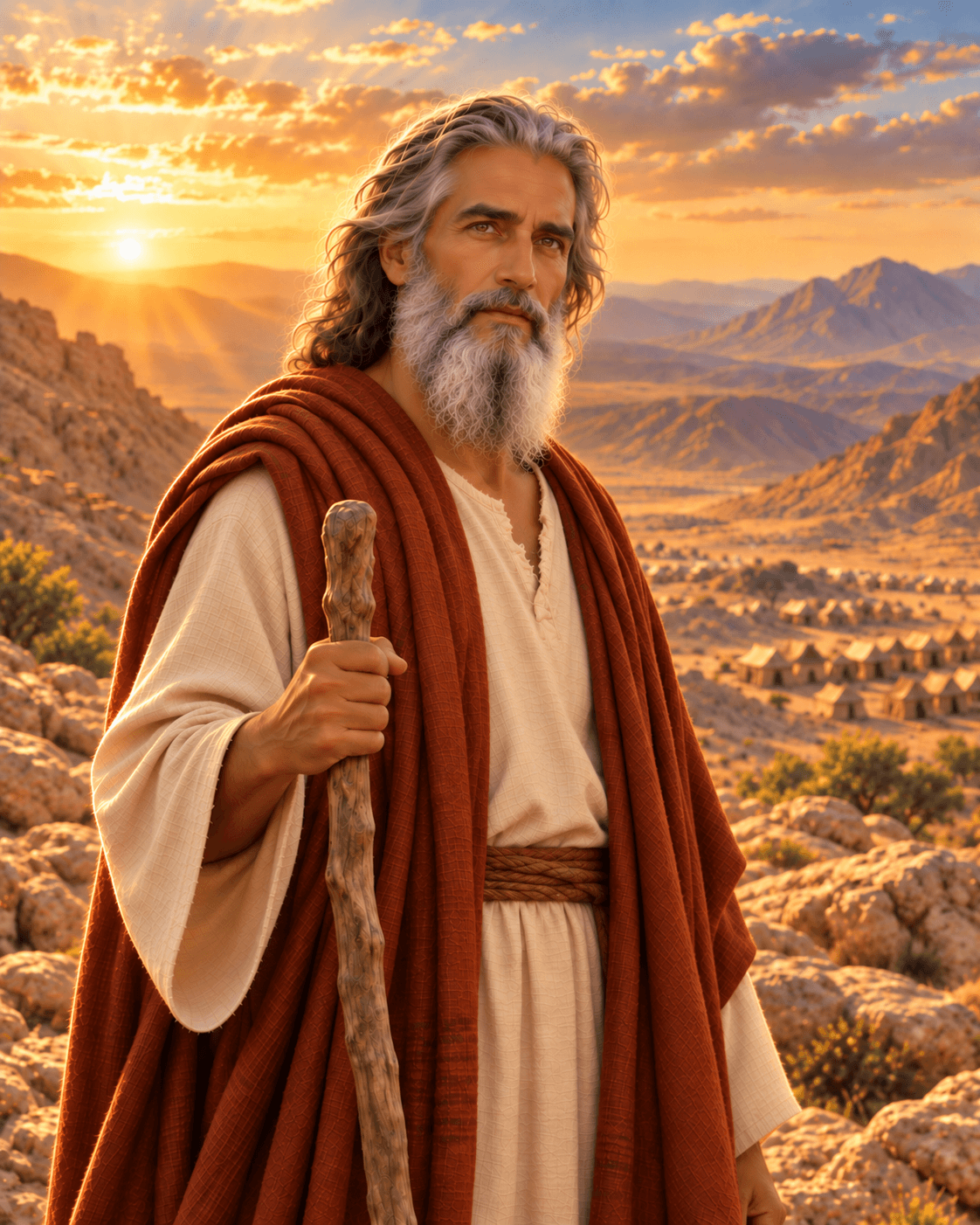 Moses
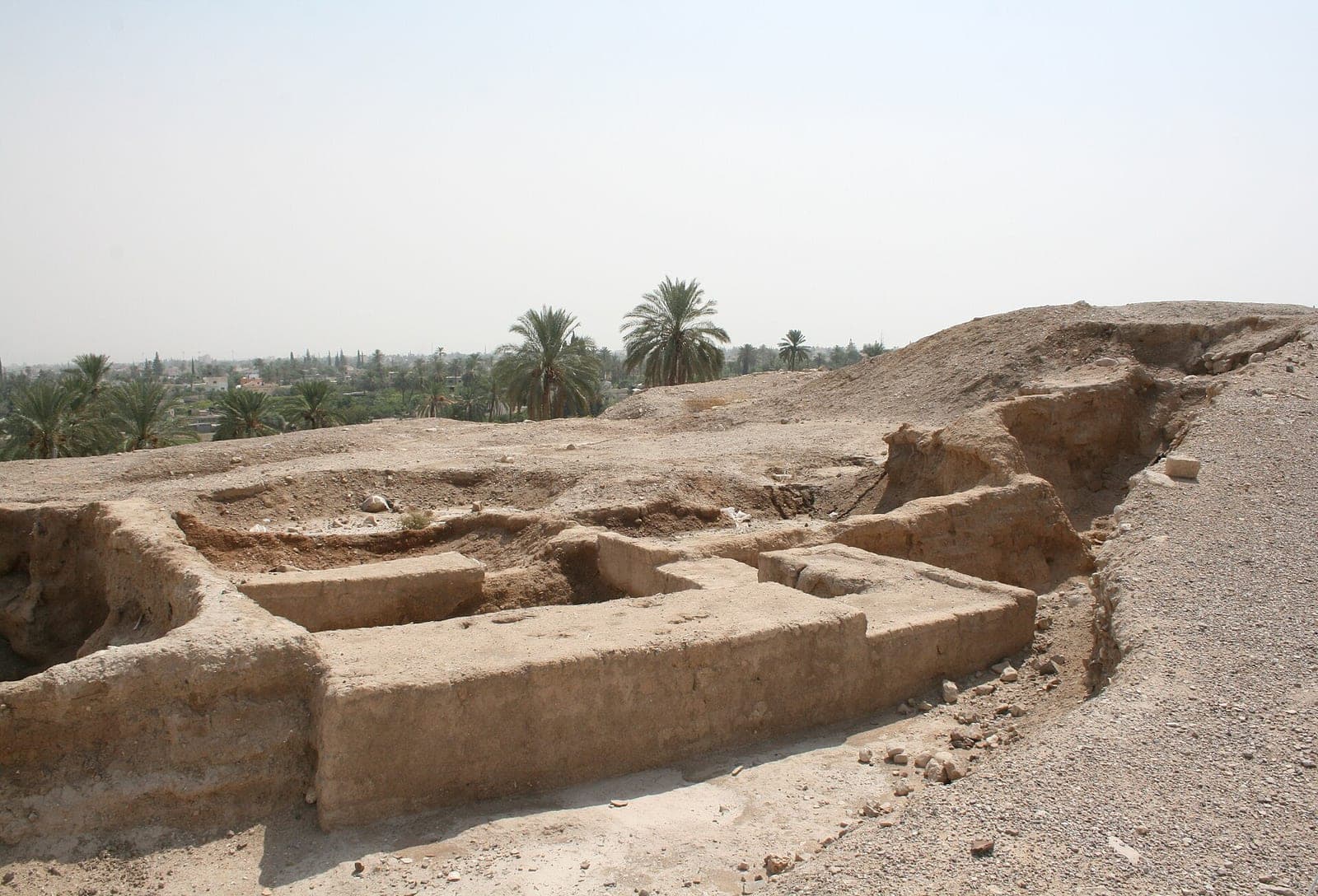
Photo: Diego Delso, via Wikimedia Commons. License: CC BY-SA 3.0. Source. Location: Tell es-Sultan, Jericho, West Bank. Resized for the web.
Explore the places of the Bible
See where biblical events happened, why each place matters, and what archaeology helps us understand.
Jericho
The city of palm trees, whose walls fell in Joshua's day.
Get full access with one subscription
Explore the people and places of the Bible. Read summaries of every book, with images and clear explanations covering every chapter. Access all these features and our Bible study tools with one subscription.
See PlansAsk AI about Leviticus 19:23
Ask a question about this verse and get a clear answer, with Bible references you can read for yourself.
Every Bible book, explained chapter by chapter
Explore summaries of every book of the Bible, with images and easy-to-understand explanations covering every chapter.
Keep studying Leviticus 19:23
Related Bible verses
Key themes
Related topics
At a Glance — the Book of Leviticus
- Author
- Traditionally attributed to Moses
- Written
- Around 1400 BC
- Genre
- Law (Pentateuch)
- Original Audience
- The Israelites in the wilderness
Frequently Asked Questions
Quick, clear answers about this verse
What does 'uncircumcised' mean in Leviticus 19:23?
In Leviticus 19:23, 'uncircumcised' refers to the fruit of newly planted trees that is not to be eaten for the first three years. This term symbolizes that the fruit is not yet ready or acceptable for consumption, emphasizing the need for patience and respect for the growth process.
Why did God command the Israelites not to eat fruit for three years?
God commanded the Israelites not to eat the fruit of newly planted trees for three years to teach them patience and respect for the natural growth process. This waiting period allows the trees to mature fully, ensuring that the fruit produced is of the highest quality and reflects a broader principle of stewardship over God's creation.
How can Leviticus 19:23 apply to modern life?
Leviticus 19:23 encourages us to practice patience in our lives, particularly in new ventures or projects. Just as the Israelites waited for fruit to mature, we should allow time for our efforts to develop fully before expecting immediate results. This principle can be applied to personal growth, relationships, and work, reminding us that good things often take time.
What is the significance of waiting for fruit to mature?
Waiting for fruit to mature, as instructed in Leviticus 19:23, signifies the importance of honoring the growth process and the natural order of things. It teaches us to appreciate the sacredness of food and the need to approach it with reverence, ensuring that we cultivate our land and resources responsibly.
Daily Verse — straight to your inbox
A verse and a 2-sentence plain-English explanation, every morning. Free. Unsubscribe anytime.