Old Testament
Leviticus 25:15
Read the Bible in clear, modern English—easy to understand, faithful to the meaning, and written for everyday readers.
When you buy from your neighbor, base the price on the number of years since the last Jubilee. When your neighbor sells to you, the price should reflect the number of harvests remaining.
Compare translations
According to the number of years after the jubile thou shalt buy of thy neighbour, and according unto the number of years of the fruits he shall sell unto thee:
What Leviticus 25:15 means
Plain-English insight for readers
Leviticus 25:15 provides guidelines for fair transactions between neighbors regarding land sales. The verse emphasizes that the price of land should be determined by how many years have passed since the last Jubilee, a time when land was returned to its original owners. This means that if a lot of time has passed since the last Jubilee, the price will be higher, reflecting the value of the land over time. Conversely, if the Jubilee is approaching, the price should be lower, as the buyer will have fewer harvests before the land returns to its original owner. This system promotes fairness and prevents exploitation, ensuring that transactions are based on the actual value of the land rather than greed or desperation. It encourages community support and responsibility, reminding the Israelites of their shared heritage and the importance of treating one another justly in economic matters.
How to apply Leviticus 25:15 to your life
In modern contexts, this principle encourages us to consider fairness and equity in our financial dealings. We should strive to ensure that our transactions reflect true value and do not take advantage of others, fostering trust and integrity in our communities.
Curated for this public verse page. Leviticus Summary
Explore more of the Bible
Learn the Bible through its people and places
Get to know the people in Scripture through illustrated stories, and explore the places where they lived and traveled.

Illustrated scene from David's story: Samuel Anoints David (1 Samuel 16:1–13)
Meet the people of the Bible
Follow their lives in order, with illustrated scenes and Bible passages that tell their stories.
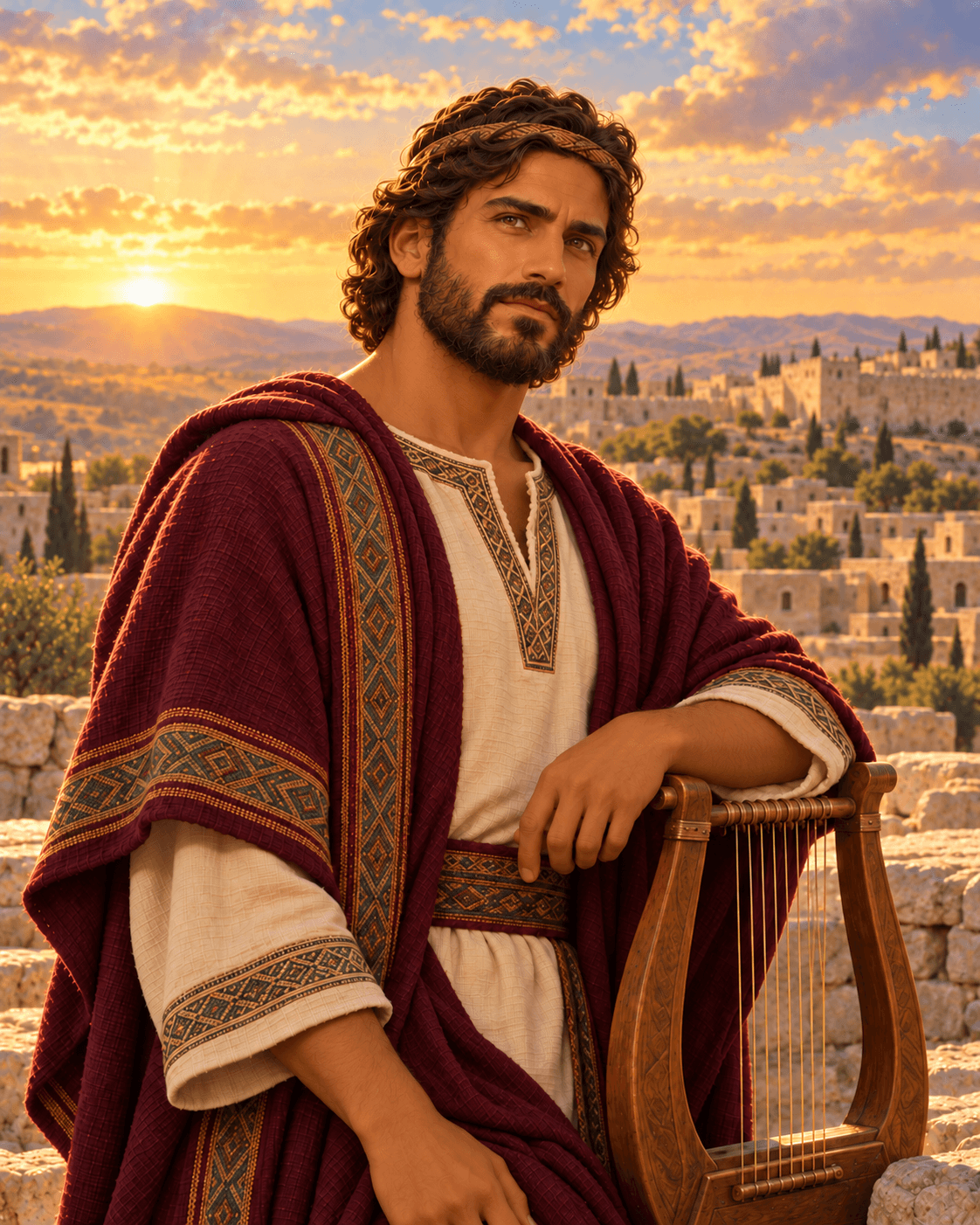 David
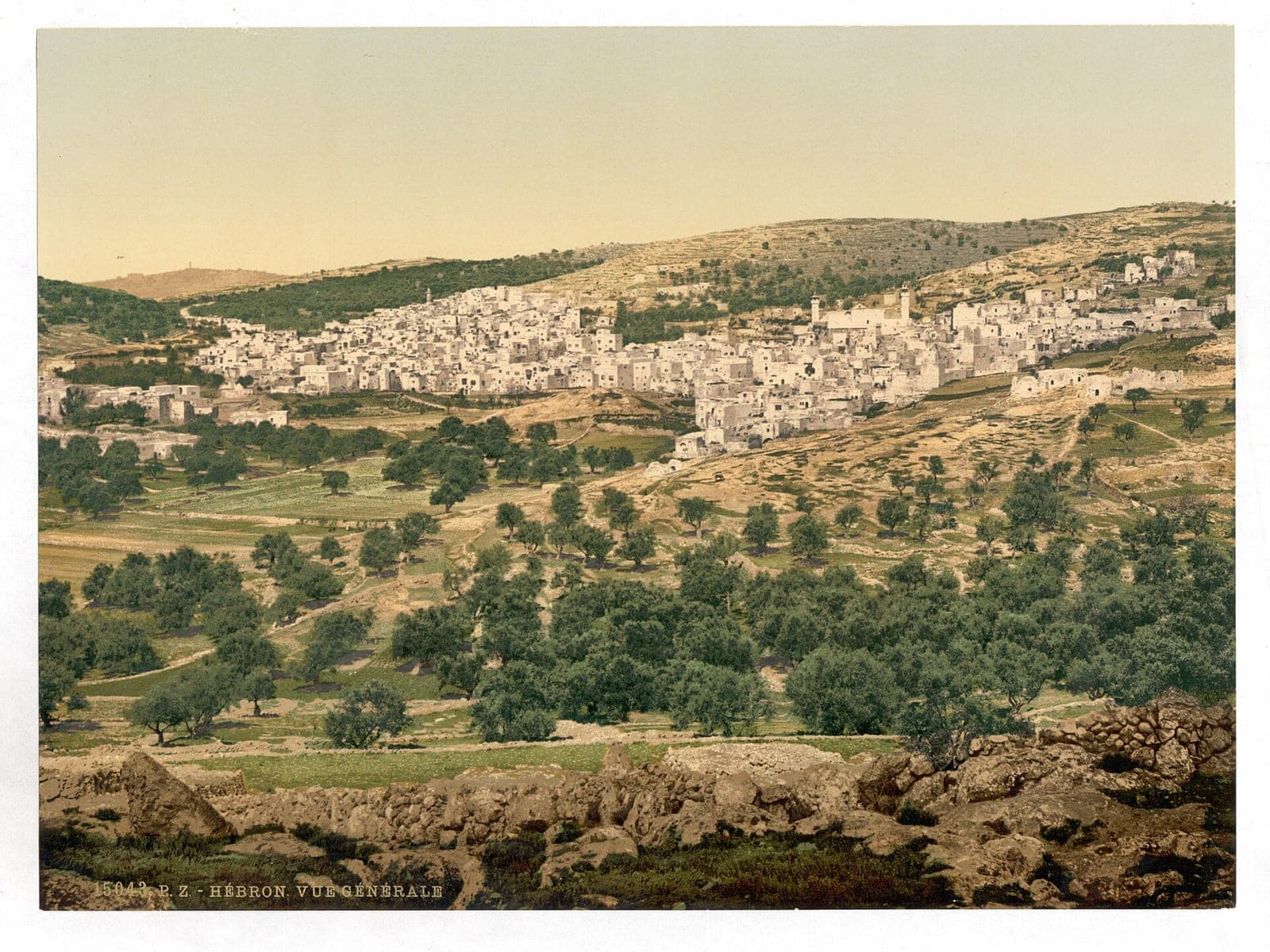
Photo: Photochrom print, Library of Congress Prints and Photographs Division (LCCN 2002724987). License: Public domain in the United States; Library of Congress states no known restrictions on publication. Source. Location: Hebron, West Bank; print preserved by the Library of Congress. Resized for the web.
Explore the places of the Bible
See where biblical events happened, why each place matters, and what archaeology helps us understand.
Hebron
Where Abraham lived and buried Sarah, and where David was first made king.
Get full access with one subscription
Explore the people and places of the Bible. Read summaries of every book, with images and clear explanations covering every chapter. Access all these features and our Bible study tools with one subscription.
See PlansAsk AI about Leviticus 25:15
Ask a question about this verse and get a clear answer, with Bible references you can read for yourself.
Every Bible book, explained chapter by chapter
Explore summaries of every book of the Bible, with images and easy-to-understand explanations covering every chapter.
Keep studying Leviticus 25:15
Related Bible verses
Key themes
Related topics
At a Glance — the Book of Leviticus
- Author
- Traditionally attributed to Moses
- Written
- Around 1400 BC
- Genre
- Law (Pentateuch)
- Original Audience
- The Israelites in the wilderness
Frequently Asked Questions
Quick, clear answers about this verse
What does Leviticus 25:15 mean?
Leviticus 25:15 outlines how to determine the price of land sold between neighbors based on the time since the last Jubilee. It emphasizes fairness in transactions, ensuring that prices reflect the number of harvests remaining before the land returns to its original owner.
What is the significance of the Jubilee in Leviticus 25:15?
The Jubilee is a significant event in the biblical context where land is returned to its original owners every fifty years. This principle ensures that land ownership remains equitable and prevents long-term exploitation of land by individuals.
How should I apply Leviticus 25:15 in modern transactions?
In modern transactions, Leviticus 25:15 encourages fairness and transparency. It suggests that we should assess the true value of goods or property and avoid taking advantage of others, fostering trust in our financial dealings.
What does 'number of harvests remaining' mean in Leviticus 25:15?
The 'number of harvests remaining' refers to how many productive years are left before the land is returned to its original owner at the next Jubilee. This affects the price, as fewer harvests mean a lower price for the buyer.
Daily Verse — straight to your inbox
A verse and a 2-sentence plain-English explanation, every morning. Free. Unsubscribe anytime.