New Testament
Luke 11:32
Read the Bible in clear, modern English—easy to understand, faithful to the meaning, and written for everyday readers.
The people of Nineveh will stand up at the judgment alongside this generation and condemn it, because they repented when Jonah preached to them — and someone greater than Jonah is standing right here.
Compare translations
The men of Nineve shall rise up in the judgment with this generation, and shall condemn it: for they repented at the preaching of Jonas; and, behold, a greater than Jonas is here.
What Luke 11:32 means
Plain-English insight for readers
In this verse, Jesus highlights the example of the people of Nineveh, who repented after hearing Jonah's message. He contrasts their response with that of the current generation, suggesting that they are missing the significance of His presence. Jesus implies that He is greater than Jonah, and yet many are not responding to His call for repentance. The Ninevites recognized their wrongdoing and turned back to God, which will serve as a testimony against those who ignore the greater message of salvation that Jesus offers. This serves as a warning about the consequences of rejecting divine truth and the importance of genuine repentance.
How to apply Luke 11:32 to your life
This verse encourages us to reflect on our own responses to God's messages. Just as the Ninevites repented, we are called to recognize our shortcomings and turn back to God. It reminds us that ignoring His call can lead to serious consequences, urging us to embrace repentance and faith.
Curated for this public verse page. Luke Summary
Explore more of the Bible
Learn the Bible through its people and places
Get to know the people in Scripture through illustrated stories, and explore the places where they lived and traveled.

Illustrated scene from John the Apostle's story: Mending Their Nets (Mark 1:19–20)
Meet the people of the Bible
Follow their lives in order, with illustrated scenes and Bible passages that tell their stories.
 John the Apostle
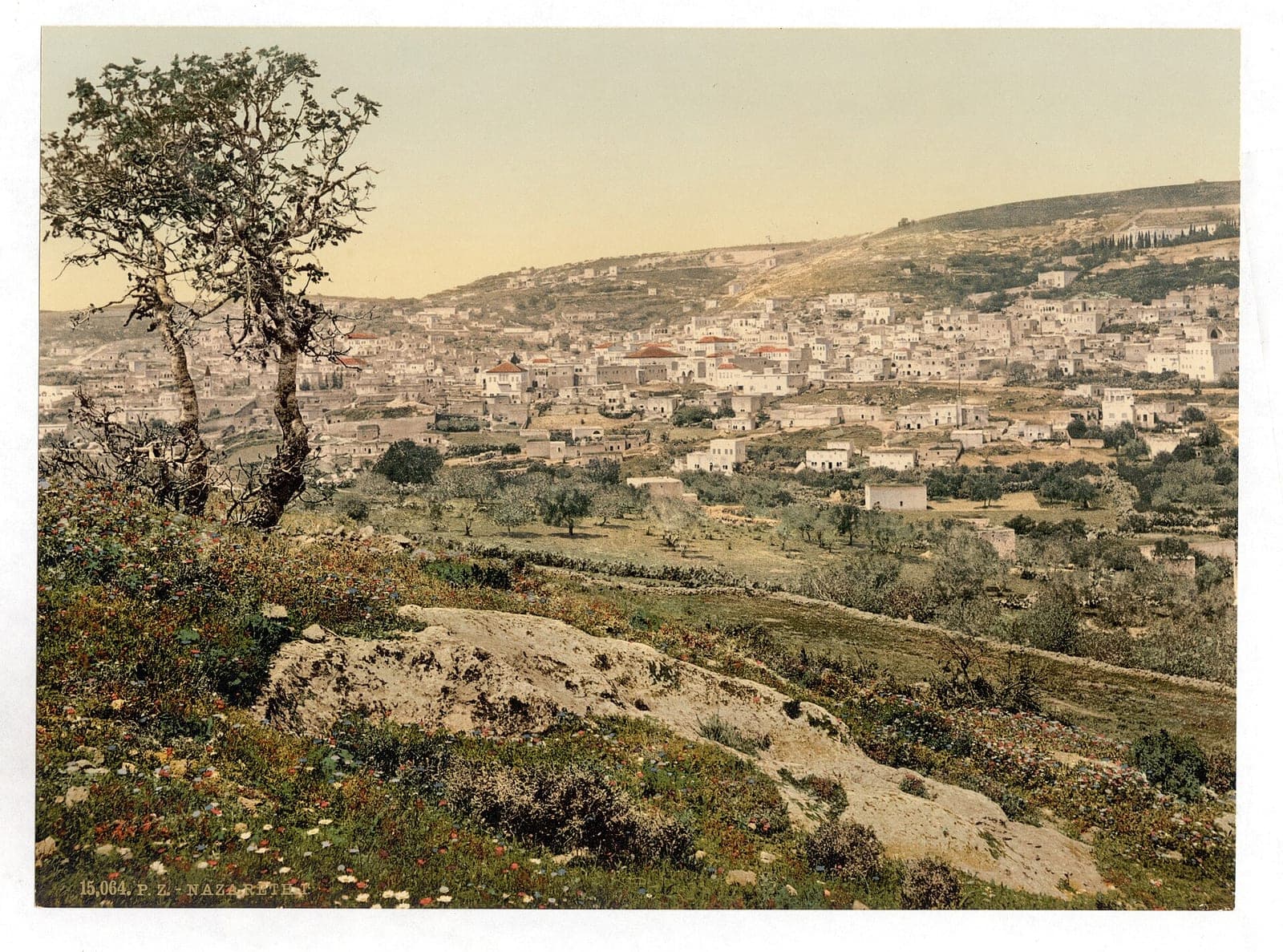
Photo: Photochrom print, Library of Congress Prints and Photographs Division (LCCN 2002725045). License: Public domain in the United States; Library of Congress states no known restrictions on publication. Source. Location: Nazareth, Israel; print preserved by the Library of Congress. Resized for the web.
Explore the places of the Bible
See where biblical events happened, why each place matters, and what archaeology helps us understand.
Nazareth
The small town in Galilee where Jesus grew up.
Get full access with one subscription
Explore the people and places of the Bible. Read summaries of every book, with images and clear explanations covering every chapter. Access all these features and our Bible study tools with one subscription.
See PlansAsk AI about Luke 11:32
Ask a question about this verse and get a clear answer, with Bible references you can read for yourself.
Fuller verse explanations
Explore what a verse means, what was happening around it, and how it connects to other Bible passages.
Plain Meaning
Jesus says that on judgment day, the people of ancient Nineveh will stand as witnesses against his own generation and condemn them. The reason: the Ninevites heard Jonah preach and turned from their sins. Jesus is greater than Jonah, yet the people around Jesus refuse to repent. The Ninevites' response makes the current generation's refusal inexcusable.
Read It in Context
Jesus is speaking to a crowd that has been demanding a sign from heaven (verse 16). He has just said the only sign they will get is the sign of Jonah (verse 29). Verse 31 makes the same argument using the queen of the south and Solomon. Verse 32 is the second example, pressing the same point harder.
The full Clear view adds what to notice, common misreadings, and the passage that best explains this one — for Luke 11:32 and any verse in the Bible.
Every Bible book, explained chapter by chapter
Explore summaries of every book of the Bible, with images and easy-to-understand explanations covering every chapter.
Keep studying Luke 11:32
Related Bible verses
Key themes
Related topics
At a Glance — the Book of Luke
- Author
- Luke the physician
- Written
- Around AD 60-62
- Genre
- Gospel and history
- Original Audience
- Gentile Christians (addressed to Theophilus)
Frequently Asked Questions
Quick, clear answers about this verse
What does Luke 11:32 teach about repentance?
Luke 11:32 emphasizes the importance of genuine repentance by contrasting the people of Nineveh with the current generation. The Ninevites repented after hearing Jonah's message, demonstrating a willingness to turn back to God. This serves as a reminder that true repentance involves recognizing our wrongdoings and actively seeking to change our ways in response to God's call.
Why does Jesus compare Himself to Jonah in this verse?
In this verse, Jesus compares Himself to Jonah to highlight His greater authority and significance. While Jonah was a prophet who called the Ninevites to repentance, Jesus is presenting Himself as the ultimate messenger of God's salvation. By stating that 'someone greater than Jonah is standing right here,' He underscores the urgency for the current generation to respond to His message, which carries even more weight and importance.
How does Luke 11:32 relate to judgment?
Luke 11:32 speaks to the theme of judgment by indicating that the people of Nineveh will rise up and condemn the current generation for their lack of repentance. This suggests that those who have received a lesser message and responded positively will stand as witnesses against those who have received a greater message and failed to act. It serves as a warning about the consequences of ignoring God's truth and the accountability we have for our responses.
What can we learn from the Ninevites' response in Luke 11:32?
The Ninevites' response in Luke 11:32 teaches us the value of humility and the readiness to repent. Their immediate reaction to Jonah's preaching shows that recognizing our faults and turning back to God is crucial. This encourages us to be open to God's messages in our lives, to acknowledge our shortcomings, and to seek forgiveness and transformation, rather than remaining indifferent or resistant.
Daily Verse — straight to your inbox
A verse and a 2-sentence plain-English explanation, every morning. Free. Unsubscribe anytime.