New Testament
Luke 12:55
Read the Bible in clear, modern English—easy to understand, faithful to the meaning, and written for everyday readers.
When the south wind blows, you say, 'It's going to be scorching hot,' and it is.
Compare translations
And when ye see the south wind blow, ye say, There will be heat; and it cometh to pass.
What Luke 12:55 means
Plain-English insight for readers
In this verse, Jesus points out how people can easily predict the weather based on the direction of the wind. When the south wind blows, it typically brings hot weather, and people recognize this pattern. This observation serves as a metaphor for understanding spiritual truths. Just as people can discern the signs of the weather, they should also be able to recognize the signs of the times regarding God's kingdom and the coming judgment. Jesus emphasizes the importance of being aware and discerning in both natural and spiritual matters. The ability to interpret these signs reflects a deeper understanding of God's work in the world and encourages individuals to be prepared for what is to come.
How to apply Luke 12:55 to your life
This verse encourages us to be observant and discerning in our lives. Just as we can read the signs of the weather, we should also be attentive to the spiritual signs around us. This awareness can help us make wise decisions and prepare for future challenges in our faith journey.
Curated for this public verse page. Luke Summary
Explore more of the Bible
Learn the Bible through its people and places
Get to know the people in Scripture through illustrated stories, and explore the places where they lived and traveled.
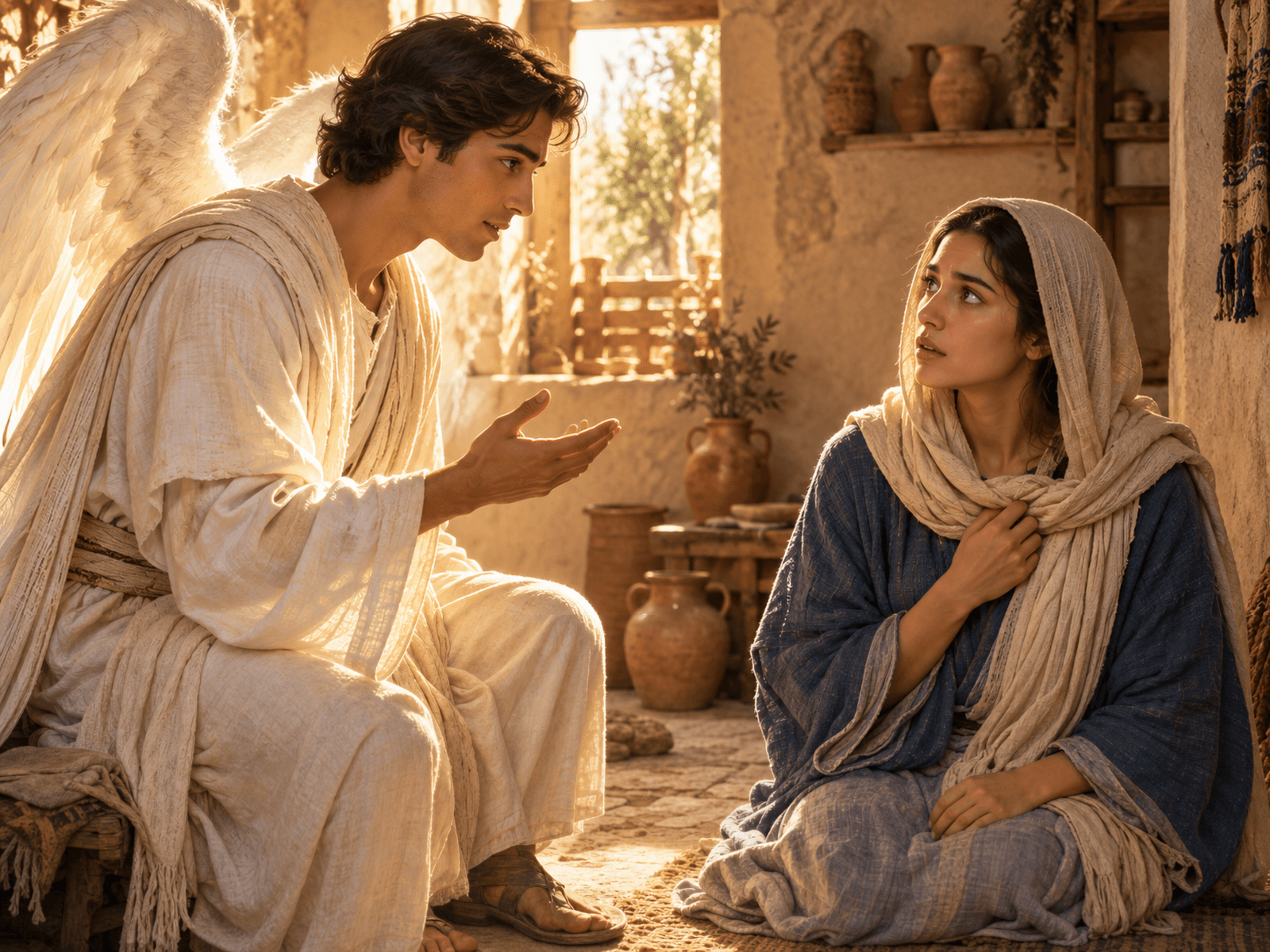
Illustrated scene from Jesus's story: An Angel Visits Mary (Luke 1:26–38)
Meet the people of the Bible
Follow their lives in order, with illustrated scenes and Bible passages that tell their stories.
 Jesus
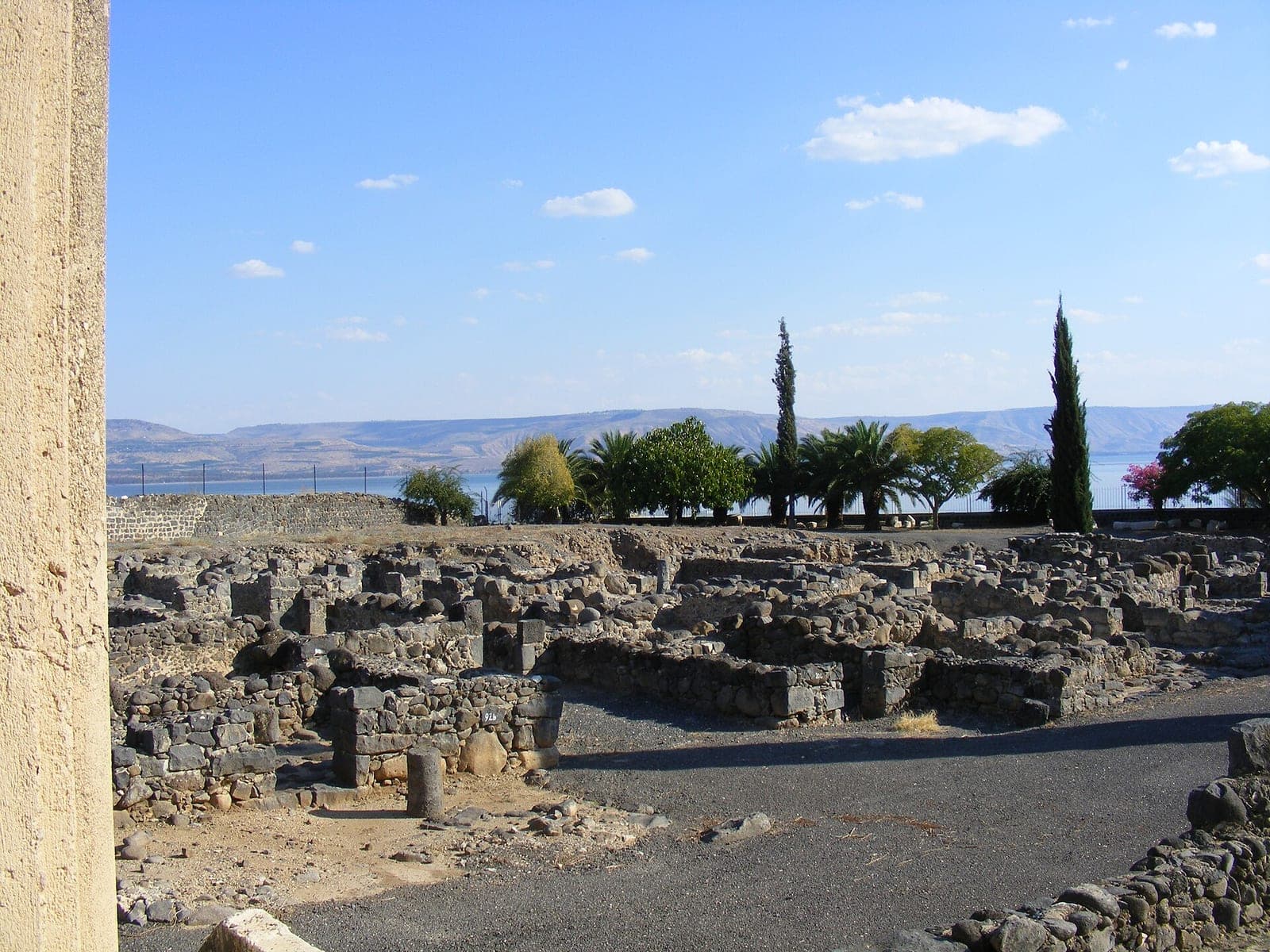
Photo: zeevveez, via Wikimedia Commons. License: CC BY 2.0. Source. Location: Capernaum, on the northern shore of the Sea of Galilee. Resized for the web.
Explore the places of the Bible
See where biblical events happened, why each place matters, and what archaeology helps us understand.
Capernaum
Jesus' home base by the Sea of Galilee, and the town where Peter lived.
Get full access with one subscription
Explore the people and places of the Bible. Read summaries of every book, with images and clear explanations covering every chapter. Access all these features and our Bible study tools with one subscription.
See PlansAsk AI about Luke 12:55
Ask a question about this verse and get a clear answer, with Bible references you can read for yourself.
Every Bible book, explained chapter by chapter
Explore summaries of every book of the Bible, with images and easy-to-understand explanations covering every chapter.
Keep studying Luke 12:55
Related Bible verses
Key themes
Related topics
At a Glance — the Book of Luke
- Author
- Luke the physician
- Written
- Around AD 60-62
- Genre
- Gospel and history
- Original Audience
- Gentile Christians (addressed to Theophilus)
Frequently Asked Questions
Quick, clear answers about this verse
What does Luke 12:55 mean?
Luke 12:55 highlights how people can predict the weather by observing the south wind, which typically brings heat. This serves as a metaphor for recognizing spiritual signs and understanding the times regarding God's kingdom.
What is the significance of the south wind in Luke 12:55?
The south wind in Luke 12:55 symbolizes the ability to discern natural signs, which Jesus uses to illustrate the importance of being aware of spiritual truths and the signs of the times.
How can I apply Luke 12:55 to my life?
You can apply Luke 12:55 by being observant and discerning in both your daily life and spiritual journey. Recognizing signs around you can help you make wise decisions and prepare for future challenges.
What themes are present in Luke 12:55?
Themes in Luke 12:55 include discernment, spiritual awareness, preparation for the future, and the contrast between natural and spiritual understanding.
Daily Verse — straight to your inbox
A verse and a 2-sentence plain-English explanation, every morning. Free. Unsubscribe anytime.