New Testament
Luke 12:6
Read the Bible in clear, modern English—easy to understand, faithful to the meaning, and written for everyday readers.
Are not five sparrows sold for two small coins? Yet not one of them is forgotten by God.
Compare translations
Are not five sparrows sold for two farthings, and not one of them is forgotten before God?
What Luke 12:6 means
Plain-English insight for readers
In this verse, Jesus uses the example of sparrows, which are inexpensive and seemingly insignificant birds, to illustrate God's deep care for all of His creation. Even though five sparrows can be bought for just two small coins, God does not overlook any of them. This highlights the idea that if God cares for such small and seemingly unimportant creatures, He certainly cares for us, who are much more valuable in His eyes. The message reassures believers that they are not forgotten or overlooked by God, no matter how insignificant they may feel. It emphasizes God's omniscience and love, reminding us that every detail of our lives matters to Him. This verse encourages us to trust in God's providence and care, knowing that He is aware of our struggles and joys.
How to apply Luke 12:6 to your life
This verse encourages us to remember that we are valued by God, even when we feel insignificant. It reminds us to trust in His care and to recognize that He is aware of our lives and struggles. We can find comfort in knowing that God sees us and cares for us deeply.
Curated for this public verse page. Luke Summary
Explore more of the Bible
Learn the Bible through its people and places
Get to know the people in Scripture through illustrated stories, and explore the places where they lived and traveled.
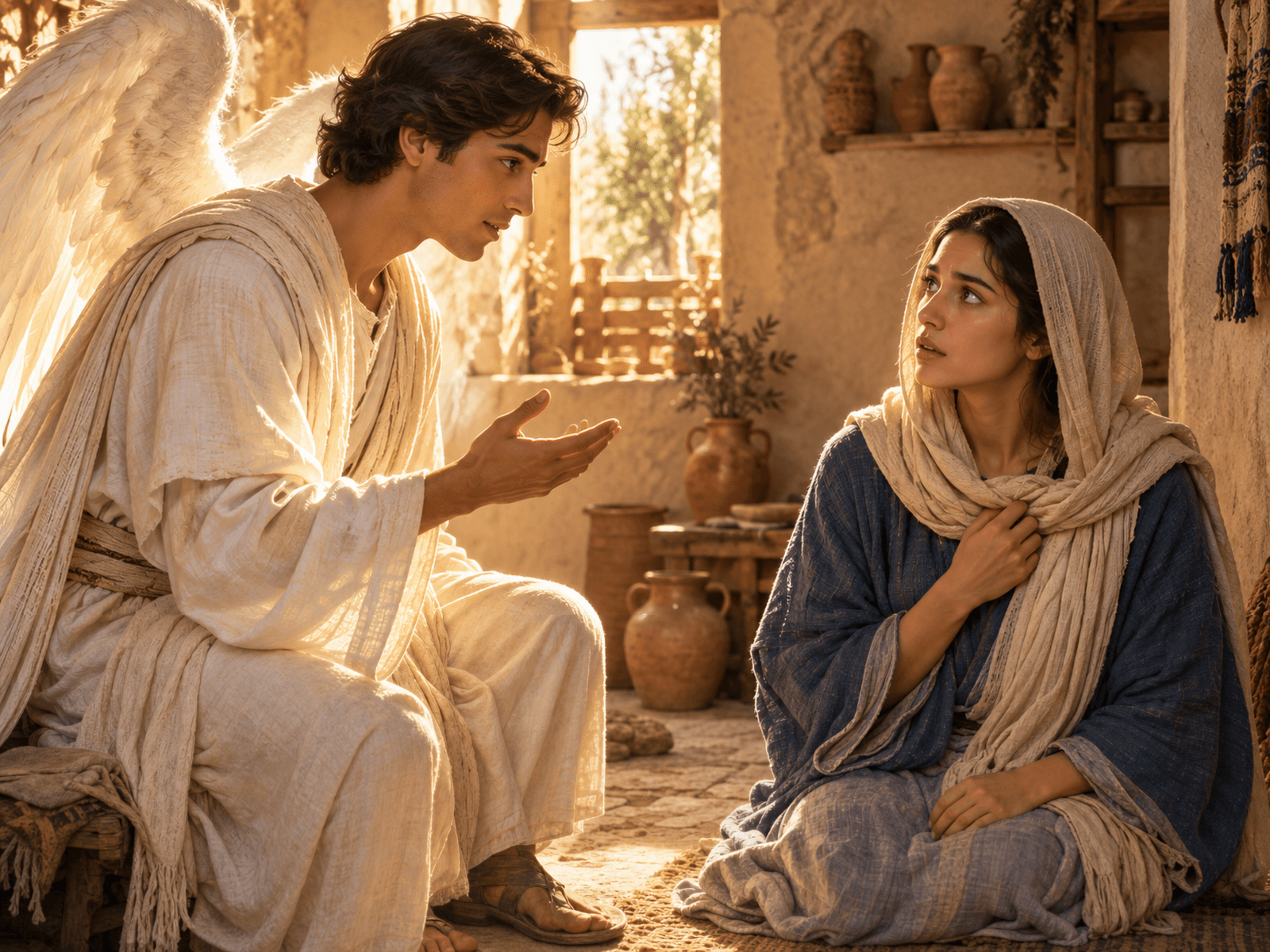
Illustrated scene from Jesus's story: An Angel Visits Mary (Luke 1:26–38)
Meet the people of the Bible
Follow their lives in order, with illustrated scenes and Bible passages that tell their stories.
 Jesus

Photo: zeevveez, via Wikimedia Commons. License: CC BY 2.0. Source. Location: Capernaum, on the northern shore of the Sea of Galilee. Resized for the web.
Explore the places of the Bible
See where biblical events happened, why each place matters, and what archaeology helps us understand.
Capernaum
Jesus' home base by the Sea of Galilee, and the town where Peter lived.
Get full access with one subscription
Explore the people and places of the Bible. Read summaries of every book, with images and clear explanations covering every chapter. Access all these features and our Bible study tools with one subscription.
See PlansAsk AI about Luke 12:6
Ask a question about this verse and get a clear answer, with Bible references you can read for yourself.
Every Bible book, explained chapter by chapter
Explore summaries of every book of the Bible, with images and easy-to-understand explanations covering every chapter.
Keep studying Luke 12:6
Related Bible verses
Key themes
At a Glance — the Book of Luke
- Author
- Luke the physician
- Written
- Around AD 60-62
- Genre
- Gospel and history
- Original Audience
- Gentile Christians (addressed to Theophilus)
Frequently Asked Questions
Quick, clear answers about this verse
What does Luke 12:6 mean?
Luke 12:6 illustrates God's care for all creation by using sparrows, which are inexpensive birds. It emphasizes that if God cares for these small creatures, He certainly cares for us, who are much more valuable.
What is the meaning of sparrows in Luke 12:6?
In Luke 12:6, sparrows symbolize the small and seemingly insignificant aspects of life. Their mention highlights God's attention to even the least of His creations, reassuring us of His care for all.
How does Luke 12:6 relate to God's providence?
Luke 12:6 relates to God's providence by showing that He is aware of every detail, even concerning sparrows. This serves as a reminder that God is involved in our lives and cares for us deeply.
What does Luke 12:6 teach about our value to God?
Luke 12:6 teaches that we are highly valued by God, as He cares for even the smallest creatures. This verse reassures us that we are significant in His eyes and not overlooked.
Daily Verse — straight to your inbox
A verse and a 2-sentence plain-English explanation, every morning. Free. Unsubscribe anytime.