New Testament
Luke 18:19
Read the Bible in clear, modern English—easy to understand, faithful to the meaning, and written for everyday readers.
Jesus replied, "Why do you call me good? No one is good except God alone.
Compare translations
And Jesus said unto him, Why callest thou me good? none is good, save one, that is, God.
What Luke 18:19 means
Plain-English insight for readers
In this verse, Jesus challenges the notion of goodness. When someone calls Him 'good,' He points out that true goodness belongs only to God. This statement emphasizes the divine nature of goodness and suggests that human standards of goodness are flawed. Jesus is not denying His goodness but is redirecting the focus to God, highlighting that He is the ultimate source of goodness. This interaction serves to remind us that while we may strive to be good, our understanding of goodness is limited compared to God's perfect nature. It also invites us to reflect on our own perceptions of goodness and to recognize that true goodness is found in a relationship with God, who embodies all that is good and right. This moment illustrates Jesus' humility and His role in revealing God's character to humanity, encouraging us to seek a deeper understanding of what it means to be good in the eyes of God.
How to apply Luke 18:19 to your life
This verse encourages us to evaluate our understanding of goodness. Instead of relying solely on our definitions, we should seek to understand goodness through God's perspective. This can lead to a more profound relationship with God and a more accurate reflection of His character in our lives.
Curated for this public verse page. Luke Summary
Learn the Bible through its people and places
Get to know the people in Scripture through illustrated stories, and explore the places where they lived and traveled.

Illustrated scene from Jesus's story: The Rich Young Ruler (Luke 18:18–30)
Meet the people of the Bible
Follow their lives in order, with illustrated scenes and Bible passages that tell their stories.
 Jesus
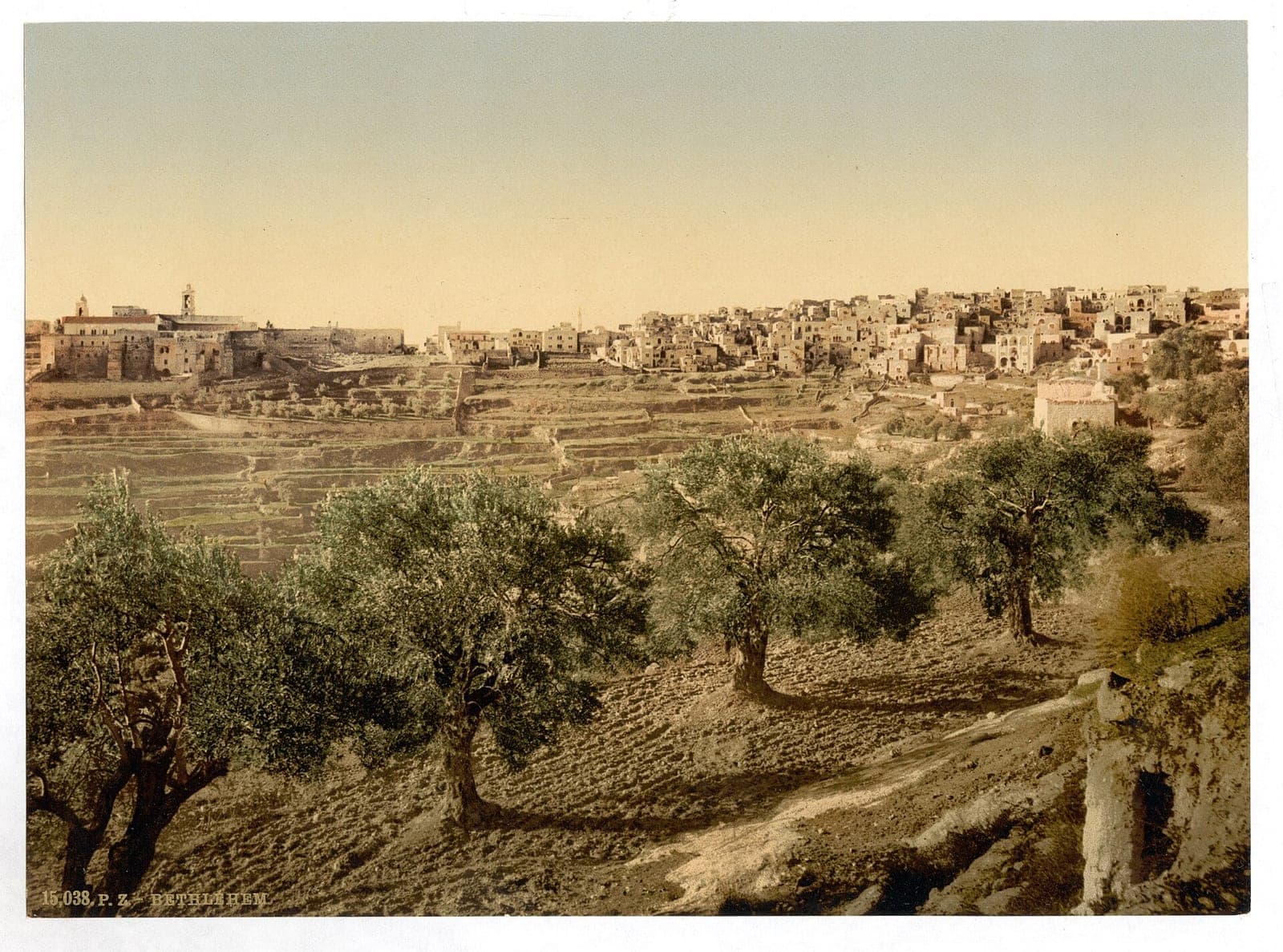
Photo: Photochrom print, Library of Congress Prints and Photographs Division (LCCN 2002724966). License: Public domain in the United States; Library of Congress states no known restrictions on publication. Source. Location: Bethlehem, West Bank; print preserved by the Library of Congress. Resized for the web.
Explore the places of the Bible
See where biblical events happened, why each place matters, and what archaeology helps us understand.
Bethlehem
David's hometown, and the town where Jesus was born.
Get full access with one subscription
Explore the people and places of the Bible. Read summaries of every book, with images and clear explanations covering every chapter. Access all these features and our Bible study tools with one subscription.
See PlansAsk AI about Luke 18:19
Ask a question about this verse and get a clear answer, with Bible references you can read for yourself.
Every Bible book, explained chapter by chapter
Explore summaries of every book of the Bible, with images and easy-to-understand explanations covering every chapter.
Keep studying Luke 18:19
Related Bible verses
Related topics
At a Glance — the Book of Luke
- Author
- Luke the physician
- Written
- Around AD 60-62
- Genre
- Gospel and history
- Original Audience
- Gentile Christians (addressed to Theophilus)
Frequently Asked Questions
Quick, clear answers about this verse
What does Luke 18:19 mean?
In Luke 18:19, Jesus questions why someone calls Him 'good,' stating that only God is truly good. This highlights that human perceptions of goodness are limited and emphasizes the divine nature of goodness.
How does Luke 18:19 relate to humility?
This verse illustrates Jesus' humility by redirecting praise for goodness to God. It shows that even in His role as a teacher and leader, Jesus acknowledges the supremacy of God's goodness.
What does this verse teach about our understanding of goodness?
Luke 18:19 encourages us to reflect on our definitions of goodness, suggesting that they may fall short compared to God's standard. It invites us to seek a deeper understanding of goodness through a relationship with God.
Daily Verse — straight to your inbox
A verse and a 2-sentence plain-English explanation, every morning. Free. Unsubscribe anytime.