New Testament
Luke 18:6
Read the Bible in clear, modern English—easy to understand, faithful to the meaning, and written for everyday readers.
Then the Lord said, "Listen to what the unjust judge said."
Compare translations
And the Lord said, Hear what the unjust judge saith.
What Luke 18:6 means
Plain-English insight for readers
In this verse, Jesus emphasizes the importance of paying attention to the words of an unjust judge. The context is a parable about persistence in prayer. The judge, who does not fear God or care about people, eventually grants justice to a persistent widow because she keeps bothering him. This highlights that if even an unjust person can be moved by persistence, how much more will God, who is just and loving, respond to the prayers of His people. The verse serves as a reminder that God listens to our cries for help, and we should not lose heart in seeking justice and mercy from Him. It encourages believers to be persistent in their prayers, trusting that God will ultimately bring about justice in their lives, even if it seems delayed. Jesus uses this example to teach about faith and the nature of God’s justice, contrasting human judges with the divine character of God.
How to apply Luke 18:6 to your life
This verse encourages us to be persistent in our prayers, especially when facing injustice or difficulties. We should not give up hope, knowing that God hears us and will respond in His perfect timing. Trusting in God's justice can strengthen our faith.
Curated for this public verse page. Luke Summary
Explore more of the Bible
Learn the Bible through its people and places
Get to know the people in Scripture through illustrated stories, and explore the places where they lived and traveled.

Illustrated scene from Peter's story: Andrew Brings Simon to Jesus (John 1:40–42)
Meet the people of the Bible
Follow their lives in order, with illustrated scenes and Bible passages that tell their stories.
 Peter
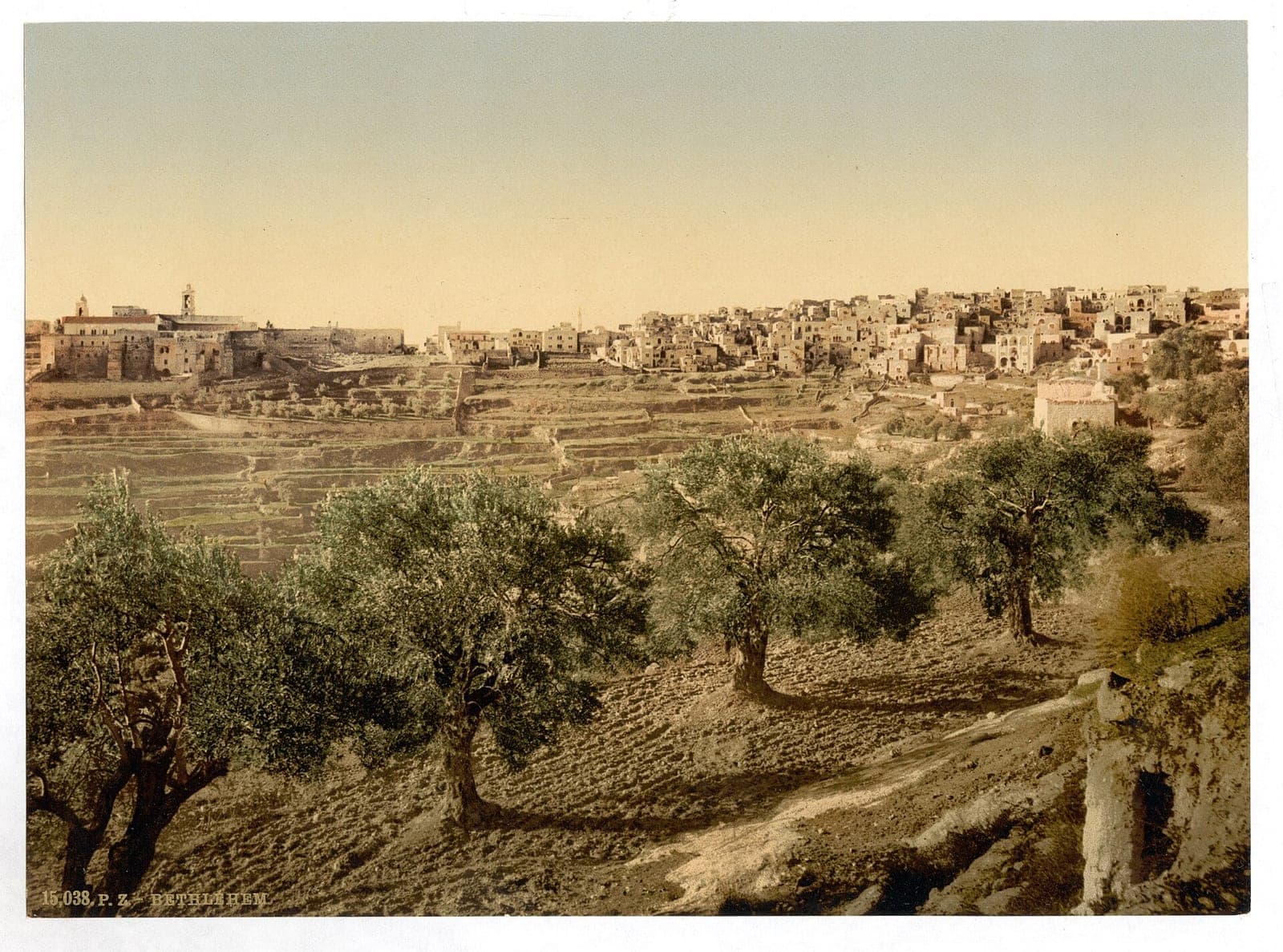
Photo: Photochrom print, Library of Congress Prints and Photographs Division (LCCN 2002724966). License: Public domain in the United States; Library of Congress states no known restrictions on publication. Source. Location: Bethlehem, West Bank; print preserved by the Library of Congress. Resized for the web.
Explore the places of the Bible
See where biblical events happened, why each place matters, and what archaeology helps us understand.
Bethlehem
David's hometown, and the town where Jesus was born.
Get full access with one subscription
Explore the people and places of the Bible. Read summaries of every book, with images and clear explanations covering every chapter. Access all these features and our Bible study tools with one subscription.
See PlansAsk AI about Luke 18:6
Ask a question about this verse and get a clear answer, with Bible references you can read for yourself.
Every Bible book, explained chapter by chapter
Explore summaries of every book of the Bible, with images and easy-to-understand explanations covering every chapter.
Keep studying Luke 18:6
Related Bible verses
Key themes
At a Glance — the Book of Luke
- Author
- Luke the physician
- Written
- Around AD 60-62
- Genre
- Gospel and history
- Original Audience
- Gentile Christians (addressed to Theophilus)
Frequently Asked Questions
Quick, clear answers about this verse
What does Luke 18:6 teach about prayer?
Luke 18:6 emphasizes the importance of persistence in prayer. Jesus uses the example of an unjust judge who eventually grants justice to a persistent widow to illustrate that if even someone who lacks compassion can be moved by persistence, then God, who is loving and just, will surely respond to the prayers of His people. This verse encourages believers to keep praying and not lose heart, trusting that God hears their cries for help.
How does the parable of the unjust judge relate to God's character?
The parable of the unjust judge contrasts human judges with God's character. While the judge does not fear God or care for people, he ultimately grants justice due to the widow's persistence. This highlights that if an unjust person can be influenced, how much more will a just and loving God respond to His people's prayers? It reassures believers of God's willingness to bring about justice and mercy in their lives.
What is the significance of the widow in Luke 18:6?
The widow in Luke 18:6 represents those who face injustice and are marginalized. Her persistence in seeking justice from the unjust judge illustrates the importance of not giving up, even when circumstances seem dire. This character serves as a model for believers, showing that they should continue to approach God with their needs and concerns, trusting that He will ultimately provide justice and support.
How can I apply Luke 18:6 in my life?
To apply Luke 18:6 in your life, focus on being persistent in your prayers, especially during tough times or when facing injustice. This verse encourages you to keep seeking God's help and not to lose hope, even when answers seem delayed. Trust that God hears you and will respond in His perfect timing, which can strengthen your faith and resolve.
Daily Verse — straight to your inbox
A verse and a 2-sentence plain-English explanation, every morning. Free. Unsubscribe anytime.