New Testament
Luke 21:20
Read the Bible in clear, modern English—easy to understand, faithful to the meaning, and written for everyday readers.
"When you see Jerusalem surrounded by armies, you'll know its destruction is near.
Compare translations
And when ye shall see Jerusalem compassed with armies, then know that the desolation thereof is nigh.
What Luke 21:20 means
Plain-English insight for readers
In this verse, Jesus warns His followers about the impending destruction of Jerusalem. He uses the imagery of armies surrounding the city to signify that the time of judgment is approaching. This event serves as a clear sign for the people to recognize that their city will soon face desolation. The mention of armies indicates a military siege, which was a common occurrence in ancient times when cities were attacked. Jesus' words highlight the seriousness of the situation and the urgency for the people to be aware of the signs around them. This prophecy not only pertains to the physical destruction of Jerusalem but also serves as a metaphor for spiritual readiness. The followers of Jesus are encouraged to remain vigilant and prepared for the challenges ahead, understanding that such events are part of a larger divine plan. This warning emphasizes the importance of discernment in recognizing the signs of the times and responding appropriately to them.
How to apply Luke 21:20 to your life
This verse encourages us to be aware of the signs in our lives and the world around us. Just as Jesus warned His followers, we should remain vigilant and spiritually prepared for challenges. It reminds us to seek understanding and discernment in our faith journey, especially during difficult times.
Curated for this public verse page. Luke Summary
Learn the Bible through its people and places
Get to know the people in Scripture through illustrated stories, and explore the places where they lived and traveled.
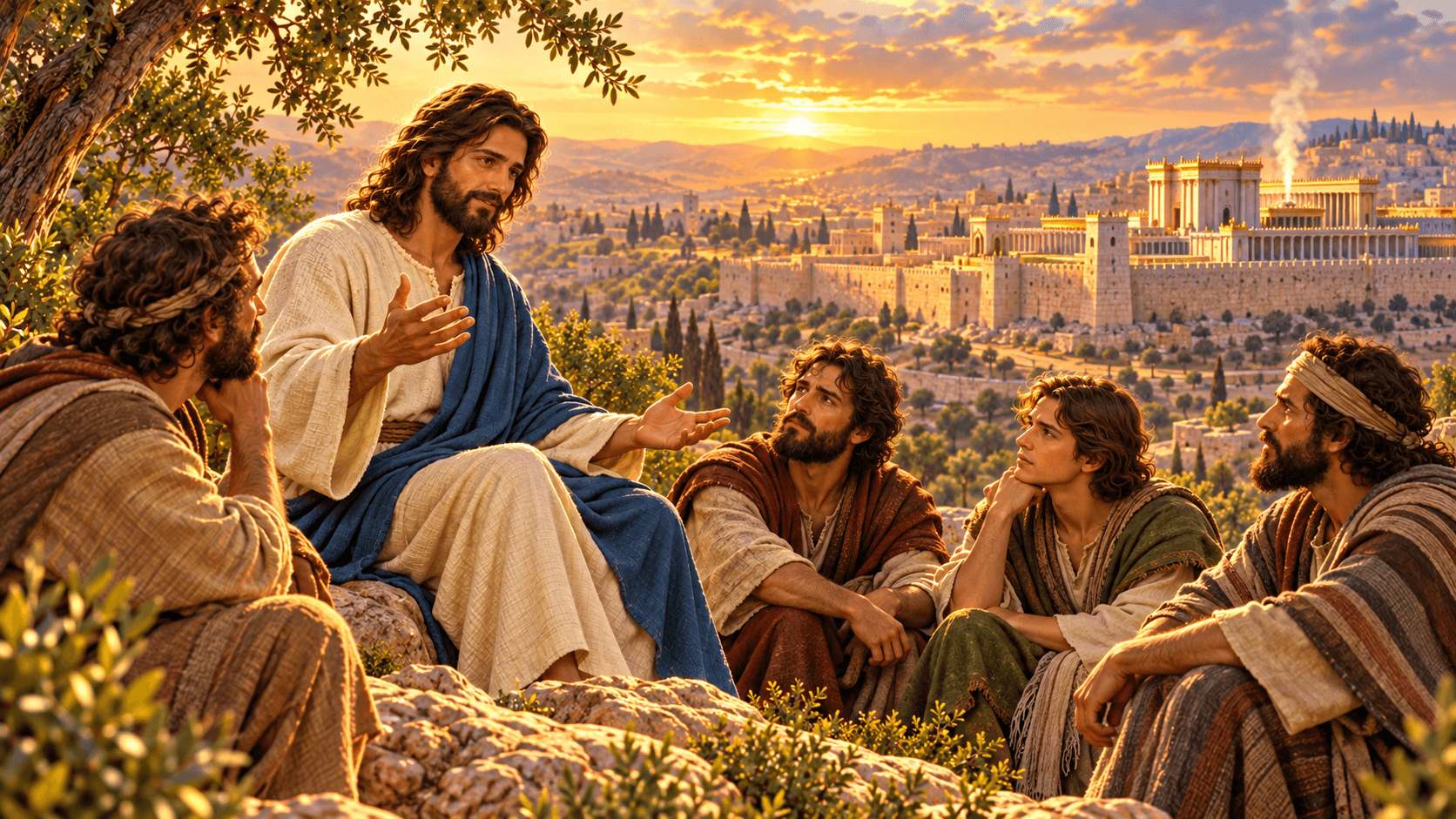
Illustrated scene from Jesus's story: Teaching on the Mount of Olives (Luke 21:5–36)
Meet the people of the Bible
Follow their lives in order, with illustrated scenes and Bible passages that tell their stories.
 Jesus
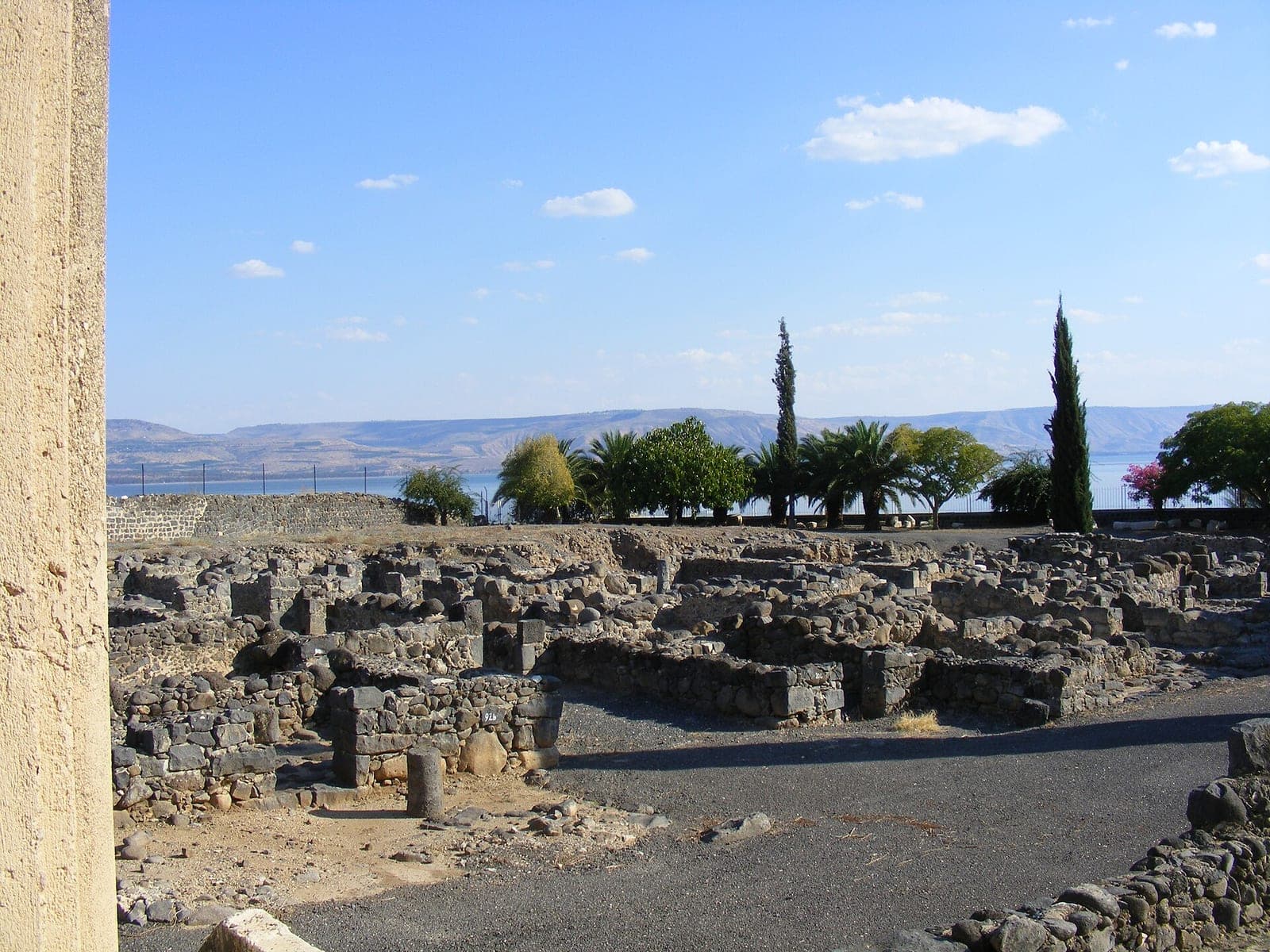
Photo: zeevveez, via Wikimedia Commons. License: CC BY 2.0. Source. Location: Capernaum, on the northern shore of the Sea of Galilee. Resized for the web.
Explore the places of the Bible
See where biblical events happened, why each place matters, and what archaeology helps us understand.
Capernaum
Jesus' home base by the Sea of Galilee, and the town where Peter lived.
Get full access with one subscription
Explore the people and places of the Bible. Read summaries of every book, with images and clear explanations covering every chapter. Access all these features and our Bible study tools with one subscription.
See PlansAsk AI about Luke 21:20
Ask a question about this verse and get a clear answer, with Bible references you can read for yourself.
Every Bible book, explained chapter by chapter
Explore summaries of every book of the Bible, with images and easy-to-understand explanations covering every chapter.
Keep studying Luke 21:20
Related Bible verses
Key themes
Related topics
At a Glance — the Book of Luke
- Author
- Luke the physician
- Written
- Around AD 60-62
- Genre
- Gospel and history
- Original Audience
- Gentile Christians (addressed to Theophilus)
Frequently Asked Questions
Quick, clear answers about this verse
What does Luke 21:20 mean for Christians today?
Luke 21:20 serves as a reminder for Christians to remain vigilant and aware of the signs of the times. Just as Jesus warned His followers about the impending destruction of Jerusalem, believers today are encouraged to discern the spiritual and moral challenges in their lives and society. This verse emphasizes the importance of being spiritually prepared and responsive to God's guidance, especially during turbulent times.
Why did Jesus predict the destruction of Jerusalem?
Jesus predicted the destruction of Jerusalem as a warning of the consequences of the city's rejection of Him and His message. The siege by armies symbolizes divine judgment and serves as a pivotal moment in biblical prophecy. This prediction not only foretells physical destruction but also highlights the spiritual implications of turning away from God, urging believers to recognize the seriousness of their faith and the need for repentance.
How can I apply the message of Luke 21:20 in my life?
To apply the message of Luke 21:20, focus on being spiritually alert and discerning in your daily life. This involves seeking a deeper understanding of your faith, staying informed about the world around you, and recognizing signs of spiritual decline or moral challenges. By cultivating a habit of prayer, reflection, and community engagement, you can prepare yourself to face difficulties with resilience and faith.
What historical context is important for understanding this verse?
Understanding the historical context of Luke 21:20 involves recognizing the political and social climate of first-century Jerusalem. During this time, the city faced tensions with Roman authorities, leading to eventual military sieges. Jesus' prophecy reflects the reality of these conflicts and serves as a warning to His followers about the impending destruction that would occur in 70 AD, when the Romans destroyed the city and the temple.
Daily Verse — straight to your inbox
A verse and a 2-sentence plain-English explanation, every morning. Free. Unsubscribe anytime.