New Testament
Luke 21:6
Read the Bible in clear, modern English—easy to understand, faithful to the meaning, and written for everyday readers.
"These things you're looking at? The day is coming when not a single stone will be left standing on another. Every one of them will be torn down."
Compare translations
As for these things which ye behold, the days will come, in the which there shall not be left one stone upon another, that shall not be thrown down.
What Luke 21:6 means
Plain-English insight for readers
In this verse, Jesus is speaking about the future destruction of the temple in Jerusalem, which was a significant symbol of Jewish faith and culture. He emphasizes that the grandeur of the temple, which people admire, will be completely dismantled. This prophecy serves as a warning about the impermanence of earthly structures and the importance of focusing on spiritual rather than material things. The statement highlights the certainty of change and upheaval, suggesting that even the most stable and revered institutions can fall. This message encourages believers to prepare for the future and to place their trust in God rather than in physical buildings or worldly possessions, which can be destroyed.
How to apply Luke 21:6 to your life
This verse reminds us to prioritize our spiritual lives over material possessions. While we may find comfort in our surroundings, we should remember that everything in this world is temporary. Instead of clinging to physical structures or wealth, we should invest in our relationship with God and seek eternal truths that cannot be taken away.
Curated for this public verse page. Luke Summary
Learn the Bible through its people and places
Get to know the people in Scripture through illustrated stories, and explore the places where they lived and traveled.
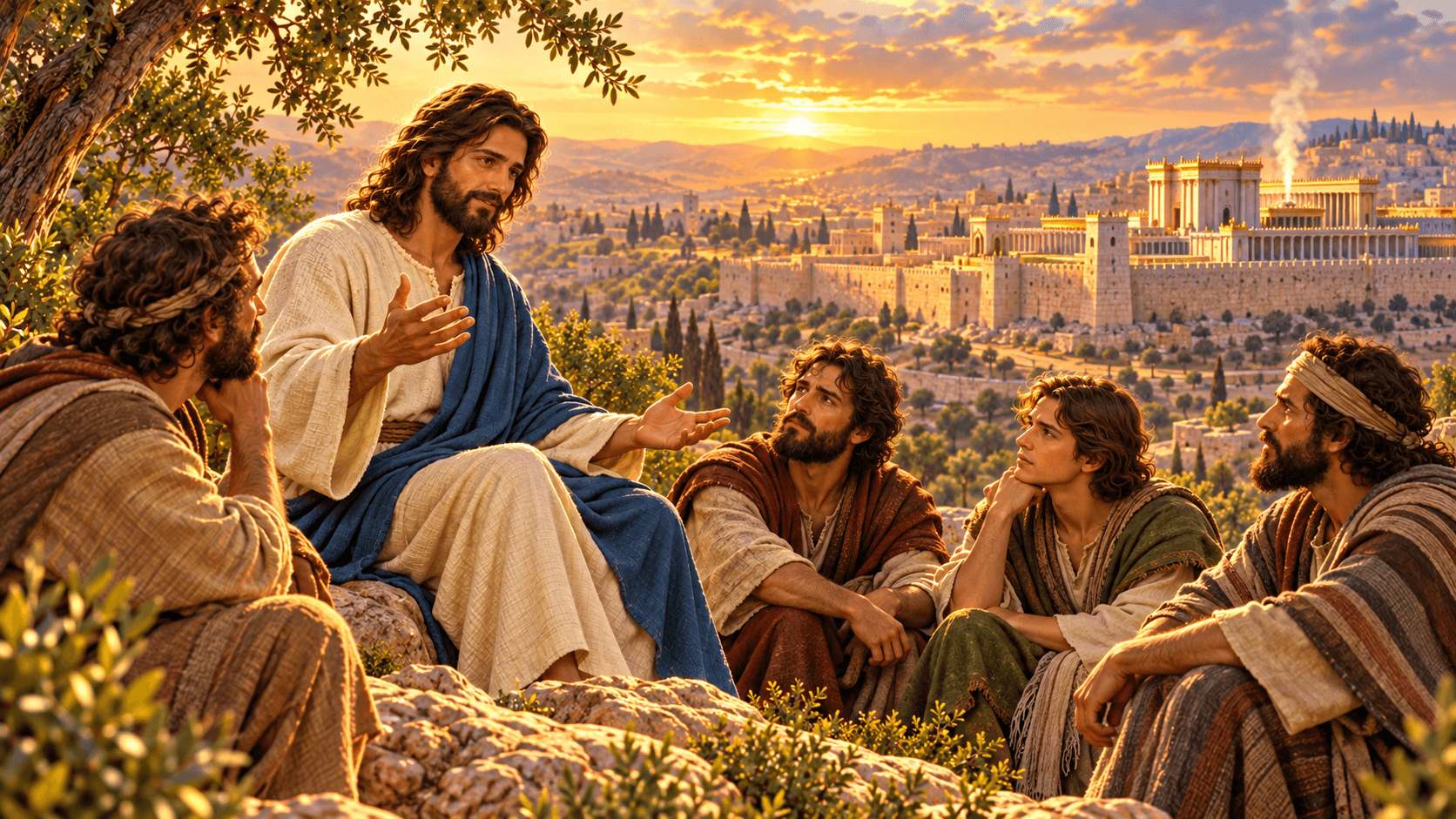
Illustrated scene from Jesus's story: Teaching on the Mount of Olives (Luke 21:5–36)
Meet the people of the Bible
Follow their lives in order, with illustrated scenes and Bible passages that tell their stories.
 Jesus
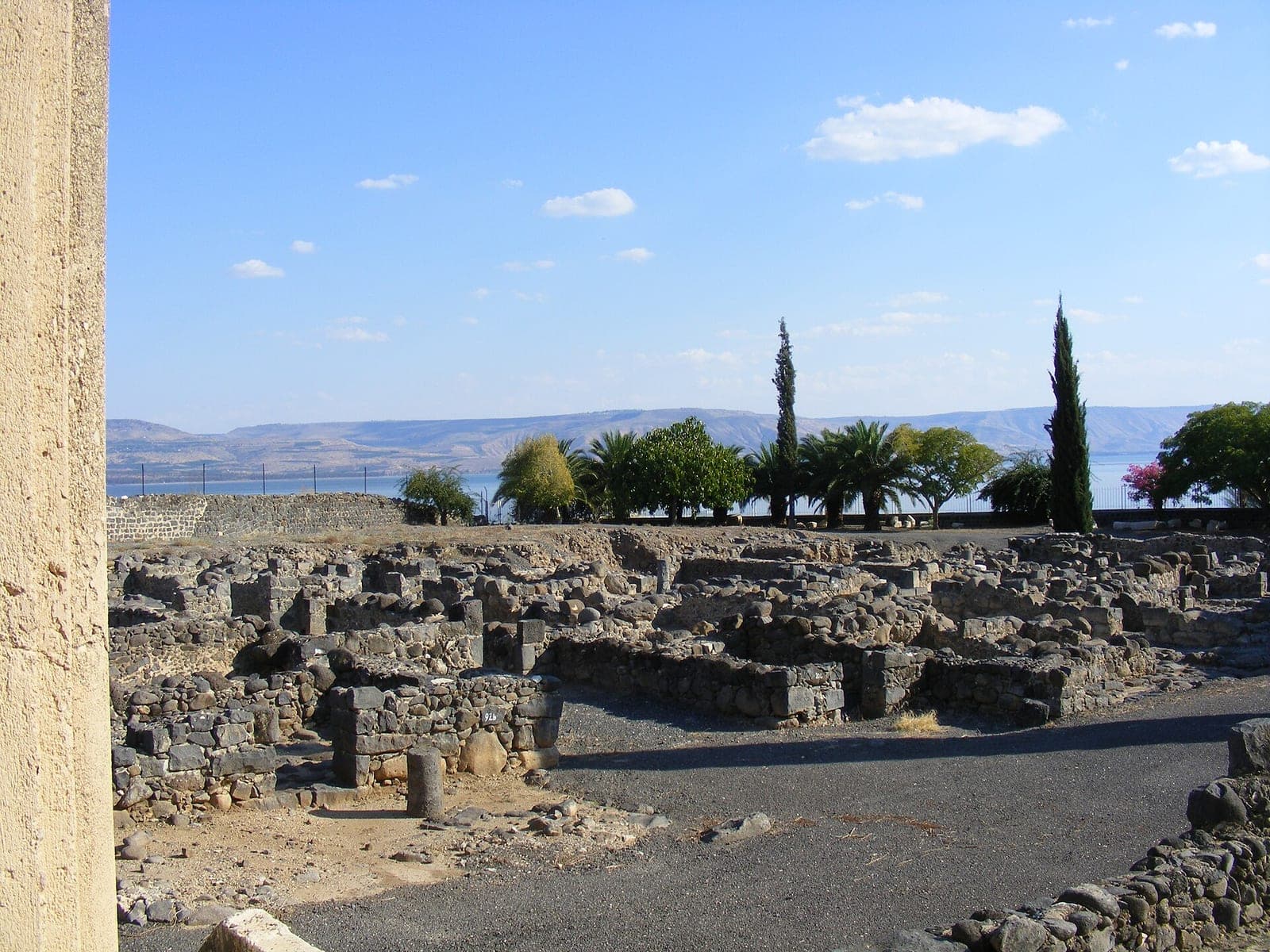
Photo: zeevveez, via Wikimedia Commons. License: CC BY 2.0. Source. Location: Capernaum, on the northern shore of the Sea of Galilee. Resized for the web.
Explore the places of the Bible
See where biblical events happened, why each place matters, and what archaeology helps us understand.
Capernaum
Jesus' home base by the Sea of Galilee, and the town where Peter lived.
Get full access with one subscription
Explore the people and places of the Bible. Read summaries of every book, with images and clear explanations covering every chapter. Access all these features and our Bible study tools with one subscription.
See PlansAsk AI about Luke 21:6
Ask a question about this verse and get a clear answer, with Bible references you can read for yourself.
Every Bible book, explained chapter by chapter
Explore summaries of every book of the Bible, with images and easy-to-understand explanations covering every chapter.
Keep studying Luke 21:6
At a Glance — the Book of Luke
- Author
- Luke the physician
- Written
- Around AD 60-62
- Genre
- Gospel and history
- Original Audience
- Gentile Christians (addressed to Theophilus)
Frequently Asked Questions
Quick, clear answers about this verse
What does Luke 21:6 mean?
Luke 21:6 refers to Jesus predicting the destruction of the Jerusalem temple, highlighting that even the most admired structures will eventually fall. This serves as a reminder of the temporary nature of physical things.
What is the significance of the temple's destruction in Luke 21:6?
The destruction of the temple signifies a major shift in religious focus from physical buildings to spiritual faith. It emphasizes the idea that true devotion should not be tied to material structures.
What warning does Luke 21:6 convey?
Luke 21:6 warns that earthly possessions and institutions, no matter how grand, are not permanent. It encourages believers to focus on their spiritual lives rather than clinging to material things.
How does Luke 21:6 relate to the theme of impermanence?
This verse illustrates the theme of impermanence by showing that even the most revered places can be destroyed. It reminds us that change is inevitable and that we should prioritize lasting spiritual values.
Daily Verse — straight to your inbox
A verse and a 2-sentence plain-English explanation, every morning. Free. Unsubscribe anytime.