New Testament
Luke 23:6
Read the Bible in clear, modern English—easy to understand, faithful to the meaning, and written for everyday readers.
When Pilate heard the word "Galilee," he asked whether the man was a Galilean.
Compare translations
When Pilate heard of Galilee, he asked whether the man were a Galilaean.
What Luke 23:6 means
Plain-English insight for readers
In this verse, we see a pivotal moment in the trial of Jesus. Pilate, the Roman governor, hears that Jesus is from Galilee, which prompts him to inquire further about Jesus' origins. This is significant because Galilee was a region that Pilate had jurisdiction over, and it could potentially shift the responsibility of the trial. Pilate's question indicates his desire to understand the situation better and possibly to avoid making a decision that could lead to unrest. The mention of Galilee also highlights the geographical and cultural context of Jesus' ministry, as Galilee was known for its diverse population and was often looked down upon by the more elite Jerusalem. This moment sets the stage for Pilate's later actions and decisions regarding Jesus, illustrating the political complexities surrounding the trial and the varying perceptions of Jesus' identity and mission.
How to apply Luke 23:6 to your life
This verse reminds us of the importance of understanding the context of our decisions. Just as Pilate sought clarity about Jesus' origins, we should seek to understand the backgrounds and motivations of those we encounter. This can lead to more informed and compassionate interactions in our daily lives.
Curated for this public verse page. Luke Summary
Learn the Bible through its people and places
Get to know the people in Scripture through illustrated stories, and explore the places where they lived and traveled.
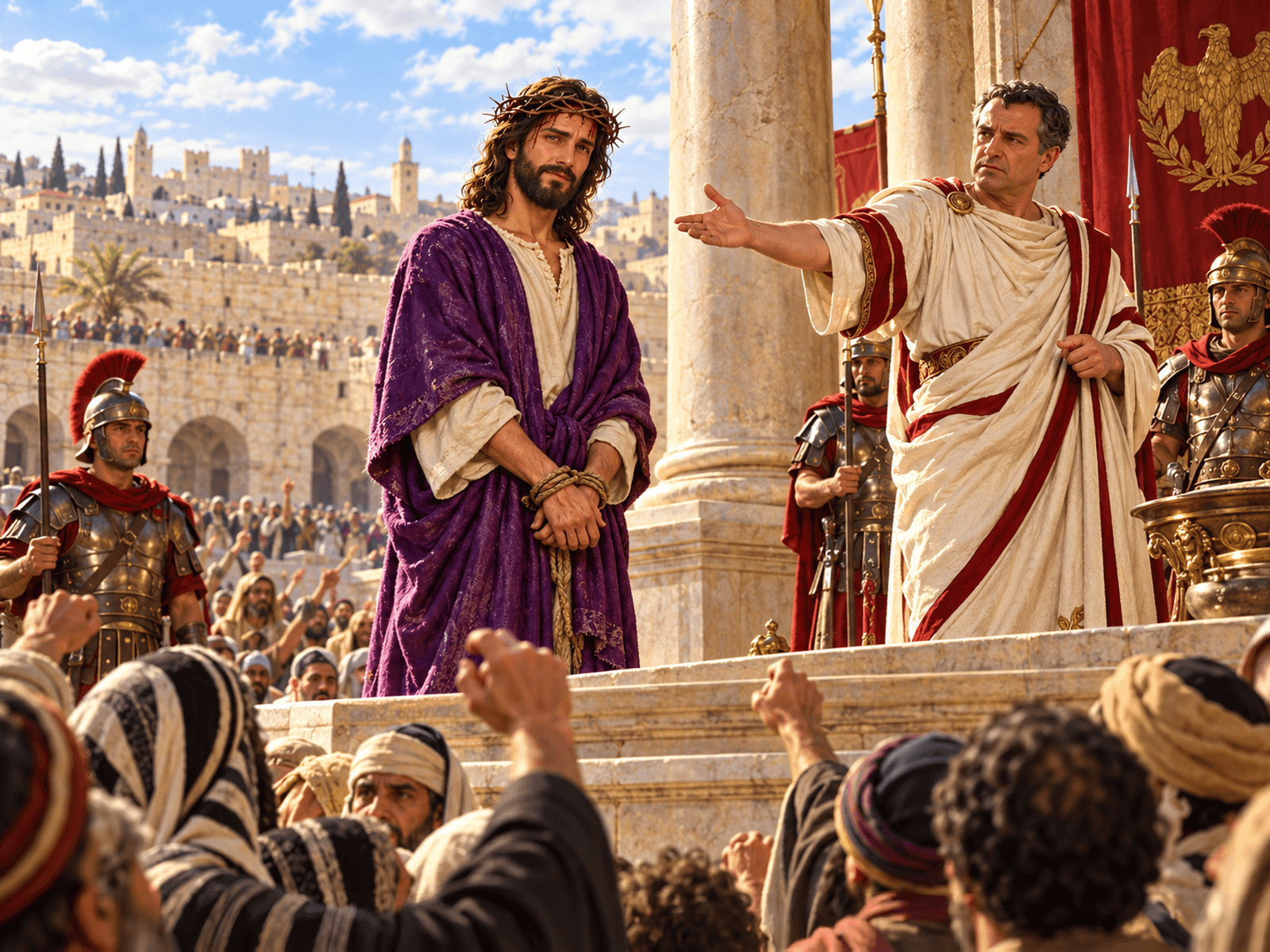
Illustrated scene from Jesus's story: On Trial Before Pilate (Luke 23:1–25)
Meet the people of the Bible
Follow their lives in order, with illustrated scenes and Bible passages that tell their stories.
 Jesus
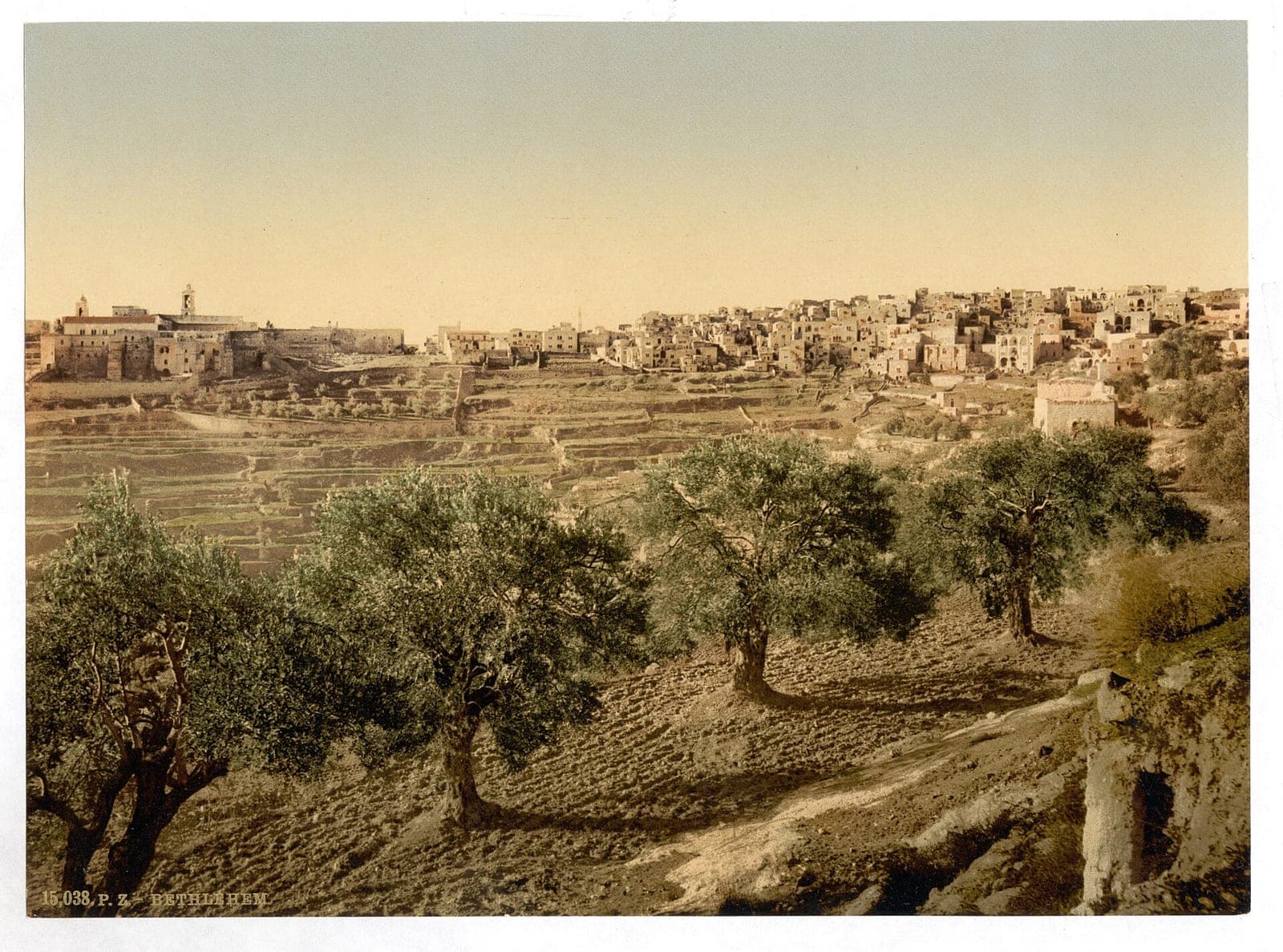
Photo: Photochrom print, Library of Congress Prints and Photographs Division (LCCN 2002724966). License: Public domain in the United States; Library of Congress states no known restrictions on publication. Source. Location: Bethlehem, West Bank; print preserved by the Library of Congress. Resized for the web.
Explore the places of the Bible
See where biblical events happened, why each place matters, and what archaeology helps us understand.
Bethlehem
David's hometown, and the town where Jesus was born.
Get full access with one subscription
Explore the people and places of the Bible. Read summaries of every book, with images and clear explanations covering every chapter. Access all these features and our Bible study tools with one subscription.
See PlansAsk AI about Luke 23:6
Ask a question about this verse and get a clear answer, with Bible references you can read for yourself.
Every Bible book, explained chapter by chapter
Explore summaries of every book of the Bible, with images and easy-to-understand explanations covering every chapter.
Keep studying Luke 23:6
Related Bible verses
At a Glance — the Book of Luke
- Author
- Luke the physician
- Written
- Around AD 60-62
- Genre
- Gospel and history
- Original Audience
- Gentile Christians (addressed to Theophilus)
Frequently Asked Questions
Quick, clear answers about this verse
What does Luke 23:6 mean?
Luke 23:6 describes a moment when Pilate learns that Jesus is from Galilee, prompting him to ask about Jesus' origins. This inquiry is significant as it indicates Pilate's attempt to understand the situation better and possibly shift the responsibility of the trial.
What is the significance of Galilee in Luke 23:6?
Galilee is significant in Luke 23:6 because it was a region under Pilate's jurisdiction, which could influence the trial's outcome. Additionally, Galilee had a diverse population and was often viewed with disdain by those in Jerusalem, highlighting the cultural context of Jesus' ministry.
How does Luke 23:6 relate to the trial of Jesus?
Luke 23:6 is a pivotal moment in the trial of Jesus, as it shows Pilate's attempt to navigate the political and legal complexities surrounding the case. It reflects his concern about making a decision that could lead to unrest among the people.
Daily Verse — straight to your inbox
A verse and a 2-sentence plain-English explanation, every morning. Free. Unsubscribe anytime.