New Testament
Luke 7:20
Read the Bible in clear, modern English—easy to understand, faithful to the meaning, and written for everyday readers.
When the men reached Jesus, they said, "John the Baptist sent us to ask you: 'Are you the one who is coming, or should we look for someone else?'"
Compare translations
When the men were come unto him, they said, John Baptist hath sent us unto thee, saying, Art thou he that should come? or look we for another?
What Luke 7:20 means
Plain-English insight for readers
In this verse, messengers from John the Baptist approach Jesus with a crucial question. John, who had been proclaiming the coming of the Messiah, is now uncertain and wants to confirm if Jesus is indeed the one he anticipated. This moment highlights John's struggle with doubt, despite his previous confidence in Jesus' identity. The question posed is significant; it reflects the expectations of the Jewish people regarding the Messiah. They were looking for a savior who would deliver them from oppression. By asking if they should look for someone else, John’s messengers are seeking clarity about Jesus' role and mission. This interaction emphasizes the importance of faith and understanding in recognizing Jesus as the fulfillment of God's promises. It also illustrates that even the most faithful can experience moments of uncertainty, prompting a deeper exploration of faith and belief.
How to apply Luke 7:20 to your life
This verse encourages us to seek clarity in our faith, especially during times of doubt. Just as John the Baptist sought confirmation about Jesus, we too can ask questions and seek understanding in our spiritual journey. It's okay to express uncertainty and seek guidance.
Curated for this public verse page. Luke Summary
Learn the Bible through its people and places
Get to know the people in Scripture through illustrated stories, and explore the places where they lived and traveled.

Illustrated scene from John the Baptist's story: John's Question from Prison (Luke 7:18–35)
Meet the people of the Bible
Follow their lives in order, with illustrated scenes and Bible passages that tell their stories.
 John the Baptist
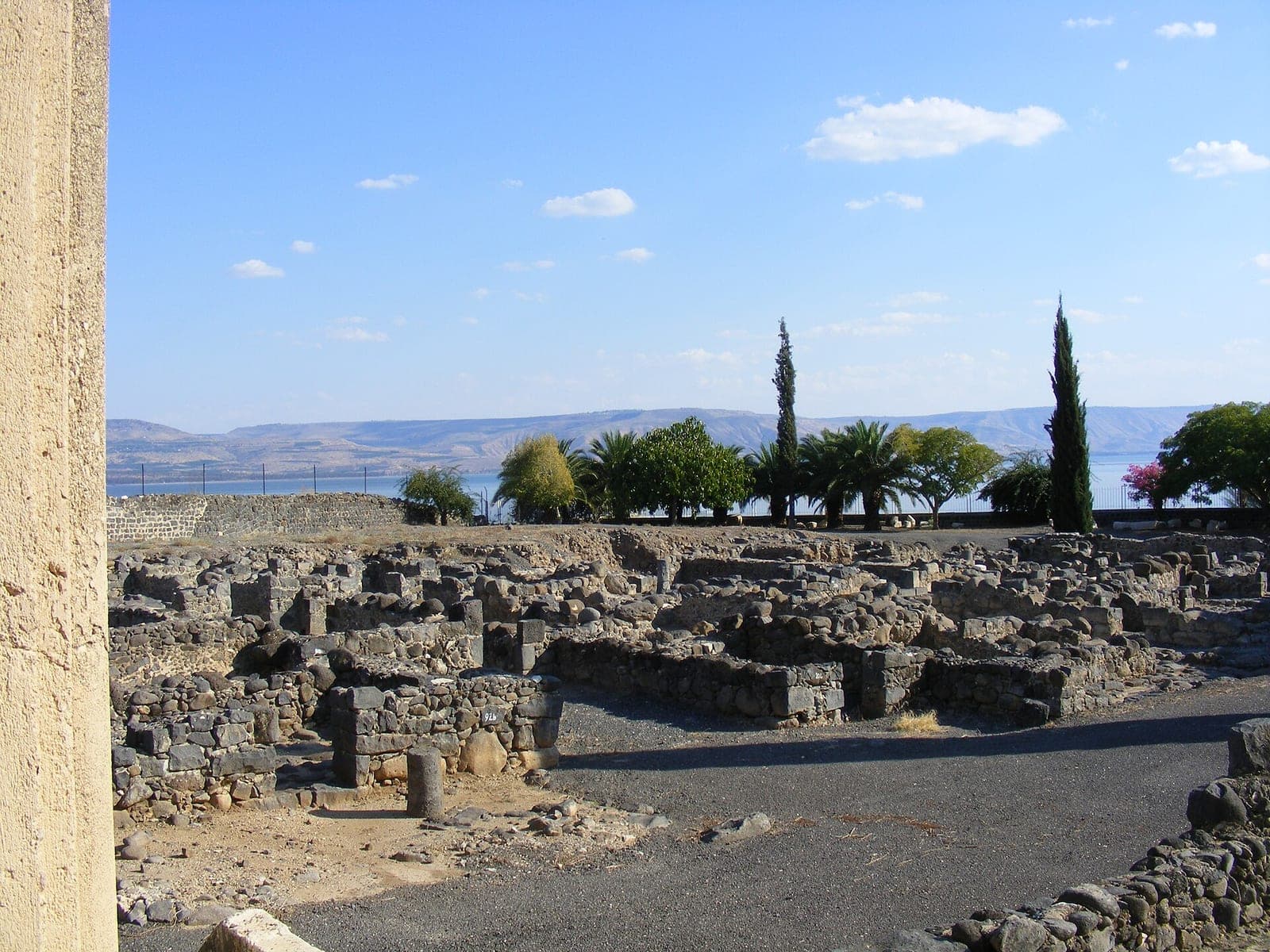
Photo: zeevveez, via Wikimedia Commons. License: CC BY 2.0. Source. Location: Capernaum, on the northern shore of the Sea of Galilee. Resized for the web.
Explore the places of the Bible
See where biblical events happened, why each place matters, and what archaeology helps us understand.
Capernaum
Jesus' home base by the Sea of Galilee, and the town where Peter lived.
Get full access with one subscription
Explore the people and places of the Bible. Read summaries of every book, with images and clear explanations covering every chapter. Access all these features and our Bible study tools with one subscription.
See PlansAsk AI about Luke 7:20
Ask a question about this verse and get a clear answer, with Bible references you can read for yourself.
Every Bible book, explained chapter by chapter
Explore summaries of every book of the Bible, with images and easy-to-understand explanations covering every chapter.
Keep studying Luke 7:20
Related Bible verses
At a Glance — the Book of Luke
- Author
- Luke the physician
- Written
- Around AD 60-62
- Genre
- Gospel and history
- Original Audience
- Gentile Christians (addressed to Theophilus)
Frequently Asked Questions
Quick, clear answers about this verse
What does Luke 7:20 mean?
Luke 7:20 captures a moment when messengers from John the Baptist ask Jesus if He is the Messiah. This reflects John's uncertainty about Jesus' identity, despite having previously proclaimed Him as the coming Savior.
What is the significance of John the Baptist's question in Luke 7:20?
John the Baptist's question highlights the expectations of the Jewish people for a Messiah and shows that even strong believers can experience doubt. It emphasizes the need for clarity and understanding in faith.
What does the phrase 'Are you the one who is coming?' mean in Luke 7:20?
The phrase 'Are you the one who is coming?' indicates John's search for confirmation about Jesus' identity as the Messiah. It reflects the longing for a savior who would fulfill God's promises.
Why did John the Baptist send messengers to Jesus in Luke 7:20?
John the Baptist sent messengers to Jesus because he was uncertain about whether Jesus was truly the Messiah he had been proclaiming. This shows that even prophets can have moments of doubt.
Daily Verse — straight to your inbox
A verse and a 2-sentence plain-English explanation, every morning. Free. Unsubscribe anytime.