New Testament
Luke 8:11
Read the Bible in clear, modern English—easy to understand, faithful to the meaning, and written for everyday readers.
"Here's what the parable means: The seed is the word of God.
Compare translations
Now the parable is this: The seed is the word of God.
What Luke 8:11 means
Plain-English insight for readers
In this verse, Jesus explains the meaning of a parable he told earlier about a sower and the seeds he scattered. The 'seed' represents the word of God, which is the message of the Gospel. Just as seeds can fall on different types of soil, the word of God can be received in various ways by different people. Some may accept it and let it grow in their hearts, while others may ignore it or let it be choked out by life's distractions. This verse emphasizes the importance of how we respond to God's word and the potential it has to transform our lives if we nurture it properly. Understanding this parable helps us recognize the power of God's message and encourages us to be receptive to it, allowing it to take root and flourish in our lives.
How to apply Luke 8:11 to your life
To apply this teaching, we should actively engage with the word of God, reading and reflecting on it regularly. We must also be mindful of our hearts and how we respond to God's message, ensuring we cultivate a receptive attitude that allows His word to grow within us.
Curated for this public verse page. Luke Summary
Learn the Bible through its people and places
Get to know the people in Scripture through illustrated stories, and explore the places where they lived and traveled.
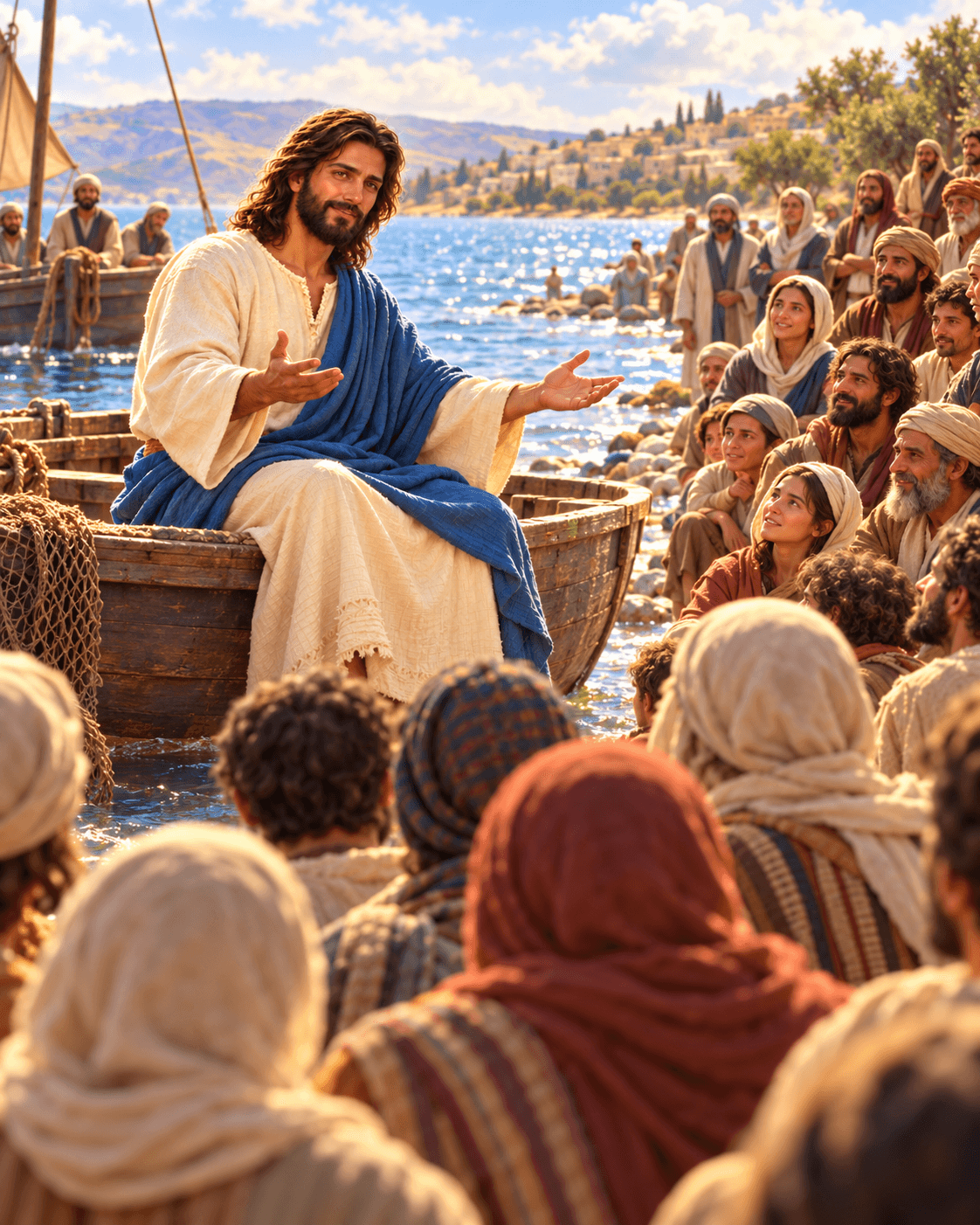
Illustrated scene from Jesus's story: Parables by the Sea (Luke 8:4–18)
Meet the people of the Bible
Follow their lives in order, with illustrated scenes and Bible passages that tell their stories.
 Jesus

Photo: Gary Todd (Gary Lee Todd, Ph.D.), via Wikimedia Commons. License: CC0 1.0 Universal Public Domain Dedication. Source. Location: Southern end of the Temple Mount, Jerusalem Old City. Resized for the web.
Explore the places of the Bible
See where biblical events happened, why each place matters, and what archaeology helps us understand.
Jerusalem
David's capital, the city of the temple, and the place where Jesus died and rose again.
Get full access with one subscription
Explore the people and places of the Bible. Read summaries of every book, with images and clear explanations covering every chapter. Access all these features and our Bible study tools with one subscription.
See PlansAsk AI about Luke 8:11
Ask a question about this verse and get a clear answer, with Bible references you can read for yourself.
Every Bible book, explained chapter by chapter
Explore summaries of every book of the Bible, with images and easy-to-understand explanations covering every chapter.
Keep studying Luke 8:11
Related Bible verses
Key themes
Related topics
At a Glance — the Book of Luke
- Author
- Luke the physician
- Written
- Around AD 60-62
- Genre
- Gospel and history
- Original Audience
- Gentile Christians (addressed to Theophilus)
Frequently Asked Questions
Quick, clear answers about this verse
What does Luke 8:11 mean?
Luke 8:11 explains that the 'seed' in the parable represents the word of God. This means that the message of the Gospel has the potential to grow in people's hearts, depending on how they receive it.
What is the meaning of the seed in Luke 8:11?
In Luke 8:11, the seed symbolizes the word of God. It illustrates how God's message can be accepted or rejected by individuals, influencing their spiritual growth.
How can I apply Luke 8:11 in my life?
To apply Luke 8:11, engage regularly with the word of God through reading and reflection. Cultivate a receptive heart that allows God's message to take root and grow in your life.
Why is the word of God compared to seed in Luke 8:11?
The word of God is compared to seed in Luke 8:11 because, like seeds, it has the potential to grow and produce fruit in a person's life, depending on the condition of their heart.
Daily Verse — straight to your inbox
A verse and a 2-sentence plain-English explanation, every morning. Free. Unsubscribe anytime.