New Testament
Matthew 12:20
Read the Bible in clear, modern English—easy to understand, faithful to the meaning, and written for everyday readers.
He won't snap a bruised reed or snuff out a smoldering wick, until he brings justice to victory.
Compare translations
A bruised reed shall he not break, and smoking flax shall he not quench, till he send forth judgment unto victory.
What Matthew 12:20 means
Plain-English insight for readers
This verse highlights the gentle and compassionate nature of Jesus. A bruised reed symbolizes someone who is weak or struggling, while a smoldering wick represents someone whose faith is flickering. Jesus will not harm or extinguish those who are vulnerable; instead, He will nurture and support them. The phrase 'until he brings justice to victory' indicates that His ultimate goal is to establish justice and righteousness. This reflects His mission to uplift the downtrodden and bring hope to those in despair. The imagery used here reassures us that Jesus cares deeply for the marginalized and will work patiently until His purpose is fulfilled. His approach contrasts with harshness, emphasizing mercy and restoration. This verse encourages believers to trust in His gentle guidance and to extend that same compassion to others who are struggling.
How to apply Matthew 12:20 to your life
In our daily lives, we should strive to show compassion to those who are struggling or feeling defeated. Instead of being harsh or dismissive, we can offer support and encouragement. By embodying the gentleness of Christ, we can help others find hope and strength in their difficult times.
Curated for this public verse page. Matthew Summary
Explore more of the Bible
Learn the Bible through its people and places
Get to know the people in Scripture through illustrated stories, and explore the places where they lived and traveled.
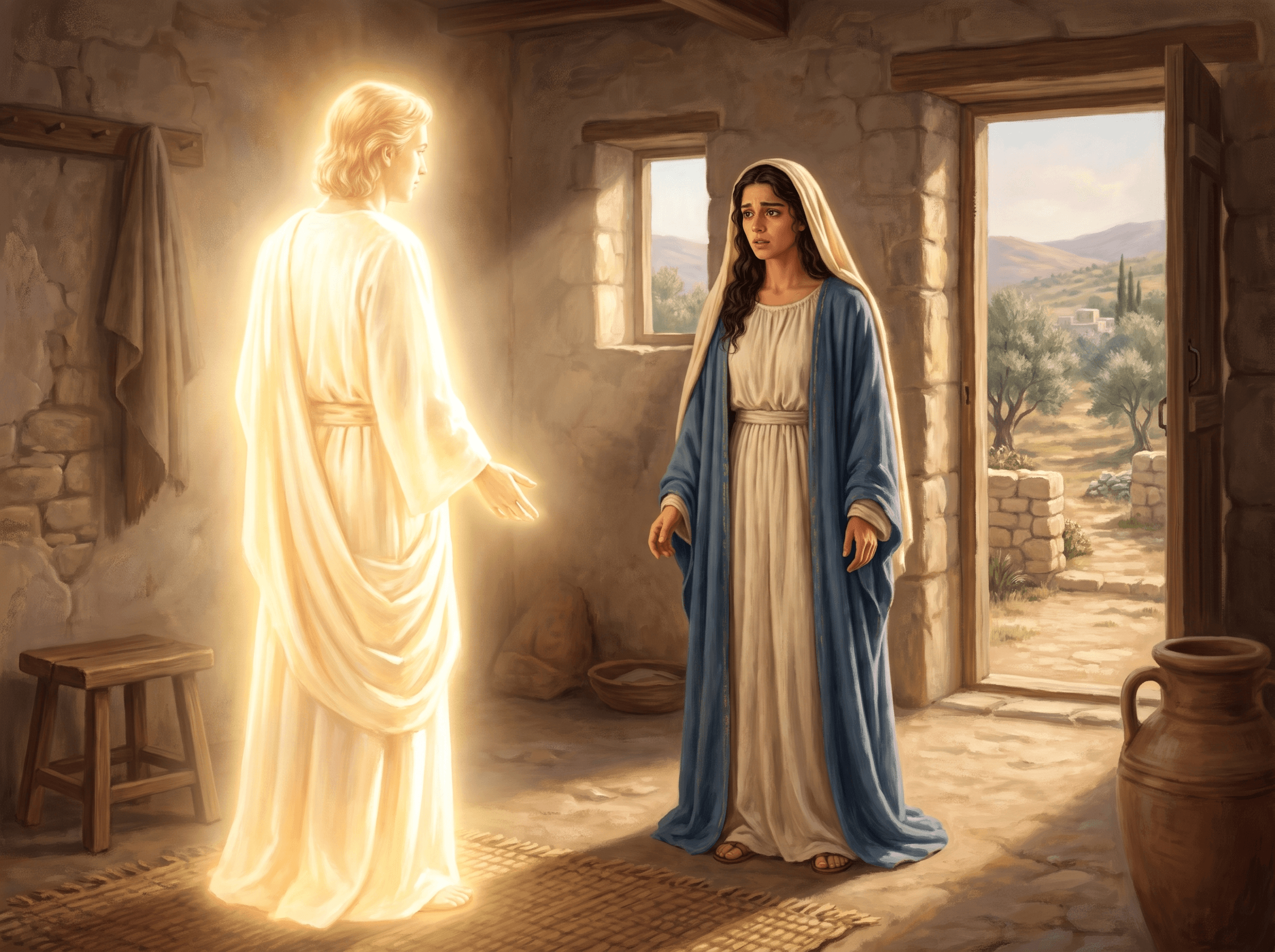
Illustrated scene from Mary, Jesus' mother's story: An Angel Visits Mary (Luke 1:26–38)
Meet the people of the Bible
Follow their lives in order, with illustrated scenes and Bible passages that tell their stories.
 Mary, Jesus' mother

Photo: Gary Todd (Gary Lee Todd, Ph.D.), via Wikimedia Commons. License: CC0 1.0 Universal Public Domain Dedication. Source. Location: Southern end of the Temple Mount, Jerusalem Old City. Resized for the web.
Explore the places of the Bible
See where biblical events happened, why each place matters, and what archaeology helps us understand.
Jerusalem
David's capital, the city of the temple, and the place where Jesus died and rose again.
Get full access with one subscription
Explore the people and places of the Bible. Read summaries of every book, with images and clear explanations covering every chapter. Access all these features and our Bible study tools with one subscription.
See PlansAsk AI about Matthew 12:20
Ask a question about this verse and get a clear answer, with Bible references you can read for yourself.
Every Bible book, explained chapter by chapter
Explore summaries of every book of the Bible, with images and easy-to-understand explanations covering every chapter.
Keep studying Matthew 12:20
Related Bible verses
Key themes
Related topics
At a Glance — the Book of Matthew
- Author
- Matthew the apostle
- Written
- Around AD 60-70
- Genre
- Gospel
- Original Audience
- Jewish Christians
Frequently Asked Questions
Quick, clear answers about this verse
What does a bruised reed symbolize in Matthew 12:20?
In Matthew 12:20, a bruised reed symbolizes someone who is weak, vulnerable, or struggling. It represents those who may feel broken or defeated in life. Jesus' refusal to break a bruised reed illustrates His compassionate nature and His commitment to nurturing and supporting those who are in need.
How does Matthew 12:20 reflect Jesus' character?
This verse highlights Jesus' gentle and compassionate character. It shows that He does not seek to harm or extinguish those who are struggling, but rather aims to uplift and restore them. His approach emphasizes mercy and patience, reassuring us that He cares for the marginalized and will work towards justice and righteousness.
What does 'smoldering wick' mean in this context?
The 'smoldering wick' in Matthew 12:20 represents someone whose faith or hope is flickering and on the verge of being extinguished. It signifies individuals who may feel hopeless or close to giving up. Jesus' promise not to quench this smoldering wick emphasizes His desire to nurture and revive those who are struggling in their faith.
How can we apply Matthew 12:20 in our lives?
We can apply Matthew 12:20 by showing compassion and support to those who are struggling or feeling defeated. Instead of being harsh or dismissive, we should offer encouragement and understanding. By embodying the gentleness of Christ, we can help others find hope and strength during their difficult times, reflecting His love and mercy.
Daily Verse — straight to your inbox
A verse and a 2-sentence plain-English explanation, every morning. Free. Unsubscribe anytime.