New Testament
Matthew 12:19
Read the Bible in clear, modern English—easy to understand, faithful to the meaning, and written for everyday readers.
He won't argue or shout. No one will hear his voice yelling in the streets.
Compare translations
He shall not strive, nor cry; neither shall any man hear his voice in the streets.
What Matthew 12:19 means
Plain-English insight for readers
In this verse, Jesus is described as someone who does not engage in loud arguments or public displays of anger. Instead of striving or crying out, He approaches situations with calmness and humility. This reflects His character as a gentle and compassionate leader. The absence of shouting or striving indicates that His message is not one of force or coercion, but rather one of peace and understanding. This verse highlights the contrast between Jesus and the often aggressive nature of religious leaders of the time. It emphasizes that His mission is not to create conflict but to bring healing and hope to those who are suffering. By not raising His voice in the streets, Jesus shows that His influence is not dependent on loud proclamations but on the quiet power of His presence and the truth of His message. This approach invites people to listen and respond to Him willingly, rather than being driven by fear or intimidation.
How to apply Matthew 12:19 to your life
We can learn from Jesus' example by choosing to communicate with gentleness and respect, especially in conflicts. Instead of raising our voices or arguing, we should strive to listen and understand others. This approach fosters healthier relationships and encourages open dialogue.
Curated for this public verse page. Matthew Summary
Explore more of the Bible
Learn the Bible through its people and places
Get to know the people in Scripture through illustrated stories, and explore the places where they lived and traveled.
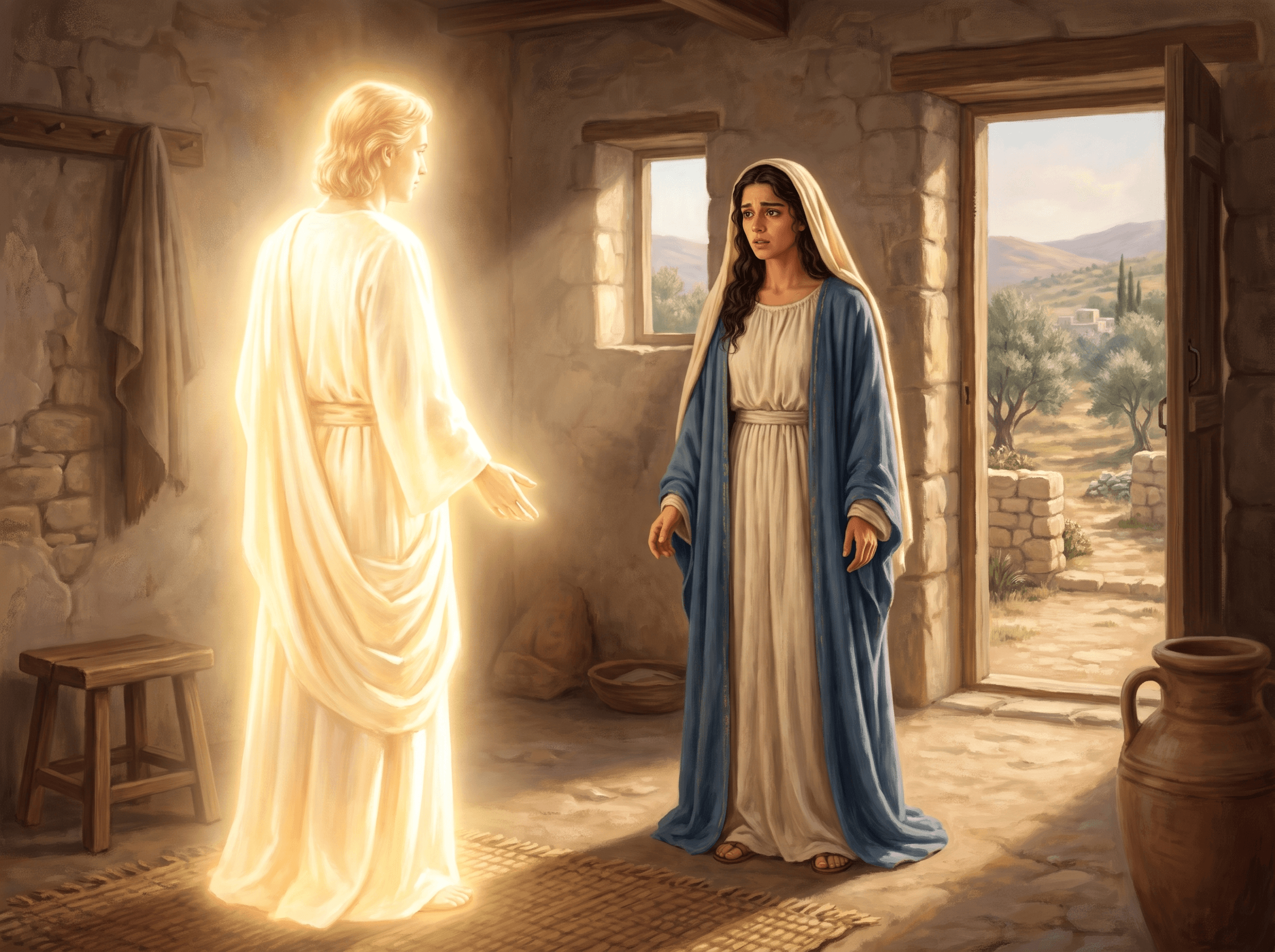
Illustrated scene from Mary, Jesus' mother's story: An Angel Visits Mary (Luke 1:26–38)
Meet the people of the Bible
Follow their lives in order, with illustrated scenes and Bible passages that tell their stories.
 Mary, Jesus' mother

Photo: Gary Todd (Gary Lee Todd, Ph.D.), via Wikimedia Commons. License: CC0 1.0 Universal Public Domain Dedication. Source. Location: Southern end of the Temple Mount, Jerusalem Old City. Resized for the web.
Explore the places of the Bible
See where biblical events happened, why each place matters, and what archaeology helps us understand.
Jerusalem
David's capital, the city of the temple, and the place where Jesus died and rose again.
Get full access with one subscription
Explore the people and places of the Bible. Read summaries of every book, with images and clear explanations covering every chapter. Access all these features and our Bible study tools with one subscription.
See PlansAsk AI about Matthew 12:19
Ask a question about this verse and get a clear answer, with Bible references you can read for yourself.
Every Bible book, explained chapter by chapter
Explore summaries of every book of the Bible, with images and easy-to-understand explanations covering every chapter.
Keep studying Matthew 12:19
Related Bible verses
Related topics
At a Glance — the Book of Matthew
- Author
- Matthew the apostle
- Written
- Around AD 60-70
- Genre
- Gospel
- Original Audience
- Jewish Christians
Frequently Asked Questions
Quick, clear answers about this verse
What does Matthew 12:19 mean?
Matthew 12:19 describes Jesus as a figure who does not engage in loud arguments or public displays of anger. It highlights His calm and humble approach, contrasting with the aggressive nature of some religious leaders.
What is the significance of Jesus not striving or crying in Matthew 12:19?
The significance lies in Jesus' gentle and compassionate nature. By not striving or crying out, He emphasizes that His message is one of peace and understanding, rather than force or intimidation.
How does Matthew 12:19 reflect Jesus' character?
This verse reflects Jesus' character as a gentle leader who promotes healing and hope. His lack of shouting or striving shows that He influences others through quiet strength and truth.
What themes are present in Matthew 12:19?
The themes present in Matthew 12:19 include gentleness, humility, peace, compassion, and non-violence. These themes illustrate the nature of Jesus' mission and His approach to leadership.
Daily Verse — straight to your inbox
A verse and a 2-sentence plain-English explanation, every morning. Free. Unsubscribe anytime.