New Testament
Matthew 12:32
Read the Bible in clear, modern English—easy to understand, faithful to the meaning, and written for everyday readers.
Anyone who speaks a word against the Son of Man can be forgiven. But anyone who speaks against the Holy Spirit will never be forgiven — not in this age, and not in the age to come.
Compare translations
And whosoever speaketh a word against the Son of man, it shall be forgiven him: but whosoever speaketh against the Holy Ghost, it shall not be forgiven him, neither in this world, neither in the world to come.
What Matthew 12:32 means
Plain-English insight for readers
In this verse, Jesus highlights the seriousness of blaspheming the Holy Spirit compared to speaking against Him as the Son of Man. While offenses against Jesus can be forgiven, rejecting the work and influence of the Holy Spirit is a grave matter that leads to eternal consequences. This indicates that the Holy Spirit plays a crucial role in revealing truth and guiding believers. To speak against the Holy Spirit is to reject the very means by which God communicates and works in the world. This warning serves as a reminder of the importance of recognizing and respecting the Holy Spirit's role in our lives and the danger of hardening our hearts against His promptings. It emphasizes the need for humility and openness to God's guidance, as well as the seriousness of our spiritual choices.
How to apply Matthew 12:32 to your life
This verse encourages us to be mindful of how we speak about God and His Spirit. It reminds us to seek forgiveness sincerely and to be open to the Holy Spirit's guidance in our lives. We should cultivate a respectful attitude towards God's work in us and others.
Curated for this public verse page. Matthew Summary
Explore more of the Bible
Learn the Bible through its people and places
Get to know the people in Scripture through illustrated stories, and explore the places where they lived and traveled.
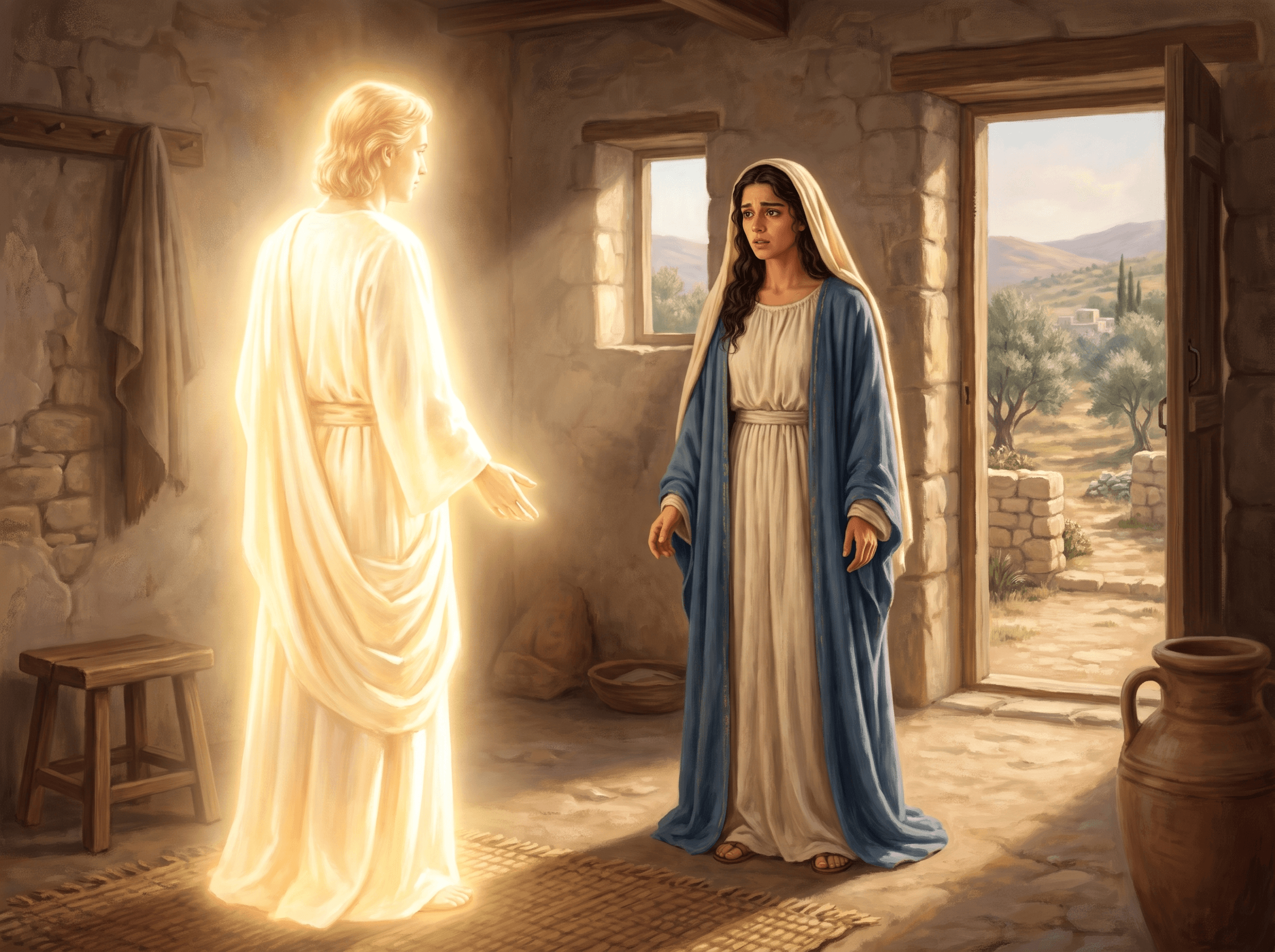
Illustrated scene from Mary, Jesus' mother's story: An Angel Visits Mary (Luke 1:26–38)
Meet the people of the Bible
Follow their lives in order, with illustrated scenes and Bible passages that tell their stories.
 Mary, Jesus' mother

Photo: Gary Todd (Gary Lee Todd, Ph.D.), via Wikimedia Commons. License: CC0 1.0 Universal Public Domain Dedication. Source. Location: Southern end of the Temple Mount, Jerusalem Old City. Resized for the web.
Explore the places of the Bible
See where biblical events happened, why each place matters, and what archaeology helps us understand.
Jerusalem
David's capital, the city of the temple, and the place where Jesus died and rose again.
Get full access with one subscription
Explore the people and places of the Bible. Read summaries of every book, with images and clear explanations covering every chapter. Access all these features and our Bible study tools with one subscription.
See PlansAsk AI about Matthew 12:32
Ask a question about this verse and get a clear answer, with Bible references you can read for yourself.
Every Bible book, explained chapter by chapter
Explore summaries of every book of the Bible, with images and easy-to-understand explanations covering every chapter.
Keep studying Matthew 12:32
Related Bible verses
Key themes
Related topics
At a Glance — the Book of Matthew
- Author
- Matthew the apostle
- Written
- Around AD 60-70
- Genre
- Gospel
- Original Audience
- Jewish Christians
Frequently Asked Questions
Quick, clear answers about this verse
Can speaking against Jesus be forgiven?
Yes, according to Matthew 12:32, speaking against the Son of Man, which refers to Jesus, can be forgiven. This highlights the mercy of God and the possibility of redemption for those who may have doubts or misunderstandings about Jesus. However, the verse emphasizes that rejecting the Holy Spirit is a more serious matter, as it signifies a refusal to accept God's guidance and truth.
Why is blasphemy against the Holy Spirit unforgivable?
Blasphemy against the Holy Spirit is considered unforgivable because it involves a conscious and persistent rejection of God's truth and the work of the Spirit in one's life. When a person hardens their heart against the Holy Spirit, they cut themselves off from the very source of forgiveness and grace. This rejection leads to a state where repentance is no longer possible, resulting in eternal consequences.
How can I ensure I am not blaspheming the Holy Spirit?
To avoid blaspheming the Holy Spirit, it is essential to maintain an open heart and mind towards God's guidance. This involves being receptive to the Holy Spirit's promptings, seeking to understand and follow God's will, and cultivating a respectful attitude towards His work in your life and the lives of others. Regular prayer, studying Scripture, and engaging in community with other believers can help strengthen your relationship with the Holy Spirit.
What should I do if I feel guilty about speaking against the Holy Spirit?
If you feel guilty about speaking against the Holy Spirit, it is important to seek God's forgiveness sincerely. Acknowledge your feelings and ask for the Holy Spirit's guidance to understand and correct any misunderstandings. Remember that God is merciful and desires to restore your relationship with Him. Engaging in prayer, reading Scripture, and discussing your concerns with a trusted spiritual mentor can also provide clarity and healing.
Daily Verse — straight to your inbox
A verse and a 2-sentence plain-English explanation, every morning. Free. Unsubscribe anytime.