New Testament
Matthew 13:18
Read the Bible in clear, modern English—easy to understand, faithful to the meaning, and written for everyday readers.
Now listen to the parable of the sower.
Compare translations
Hear ye therefore the parable of the sower.
What Matthew 13:18 means
Plain-English insight for readers
In this verse, Jesus invites his listeners to pay close attention to the parable of the sower, which is a story that illustrates how different people respond to the message of the Kingdom of God. The parable describes a farmer who sows seeds on various types of soil, representing the hearts of people. Some seeds fall on the path, some on rocky ground, some among thorns, and some on good soil. Each type of soil yields different results, showing how external factors and personal choices affect one's reception of spiritual truths. By urging his audience to listen, Jesus emphasizes the importance of understanding the message and its implications for their lives. This parable serves as a teaching tool to reveal the varying responses to God's word and encourages self-reflection on one's own spiritual condition.
How to apply Matthew 13:18 to your life
To apply this teaching, reflect on how you receive and respond to spiritual messages. Consider what type of 'soil' your heart represents. Are there distractions or obstacles that prevent you from fully embracing God's word?
Curated for this public verse page. Matthew Summary
Learn the Bible through its people and places
Get to know the people in Scripture through illustrated stories, and explore the places where they lived and traveled.
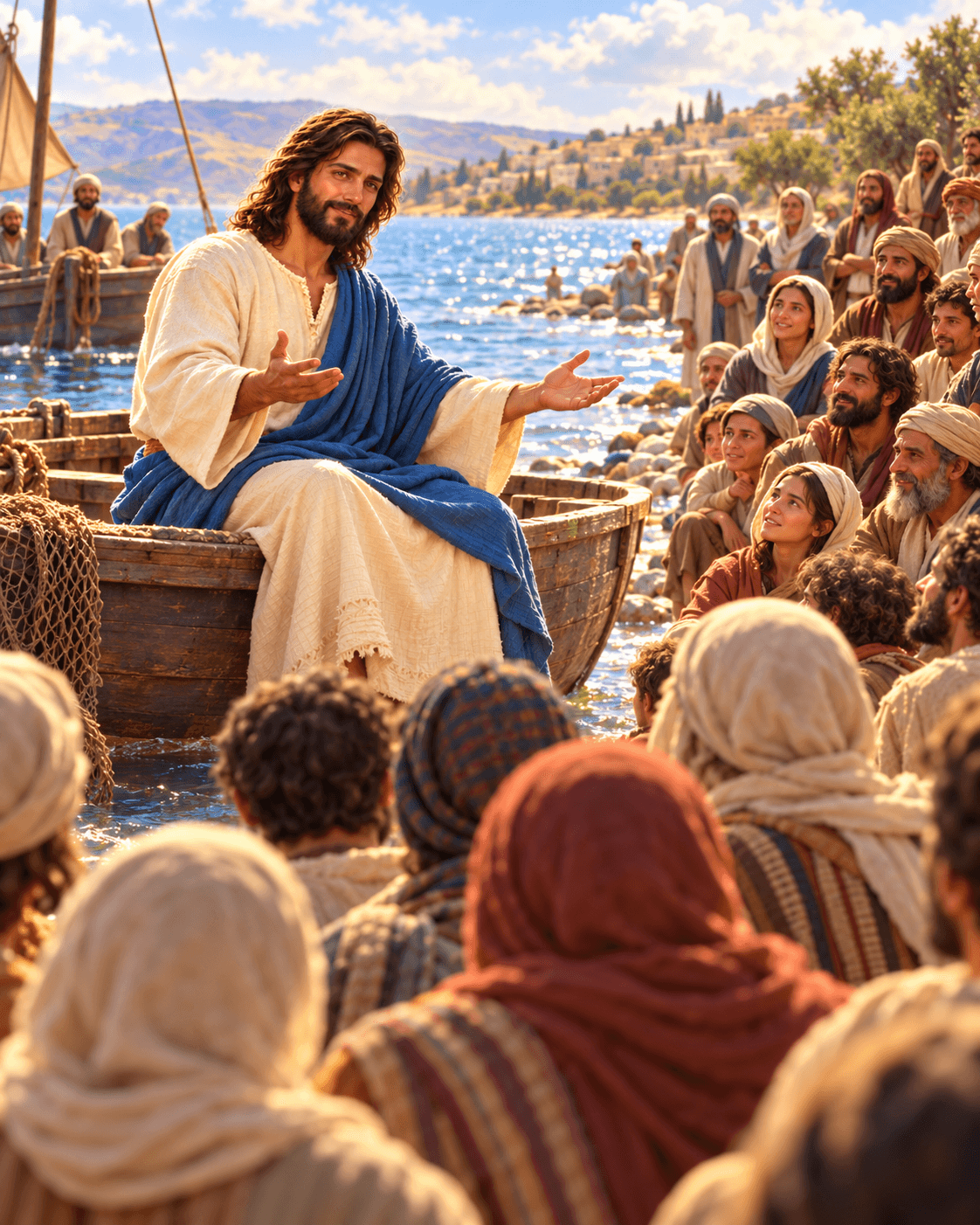
Illustrated scene from Jesus's story: Parables by the Sea (Matthew 13:1–52)
Meet the people of the Bible
Follow their lives in order, with illustrated scenes and Bible passages that tell their stories.
 Jesus
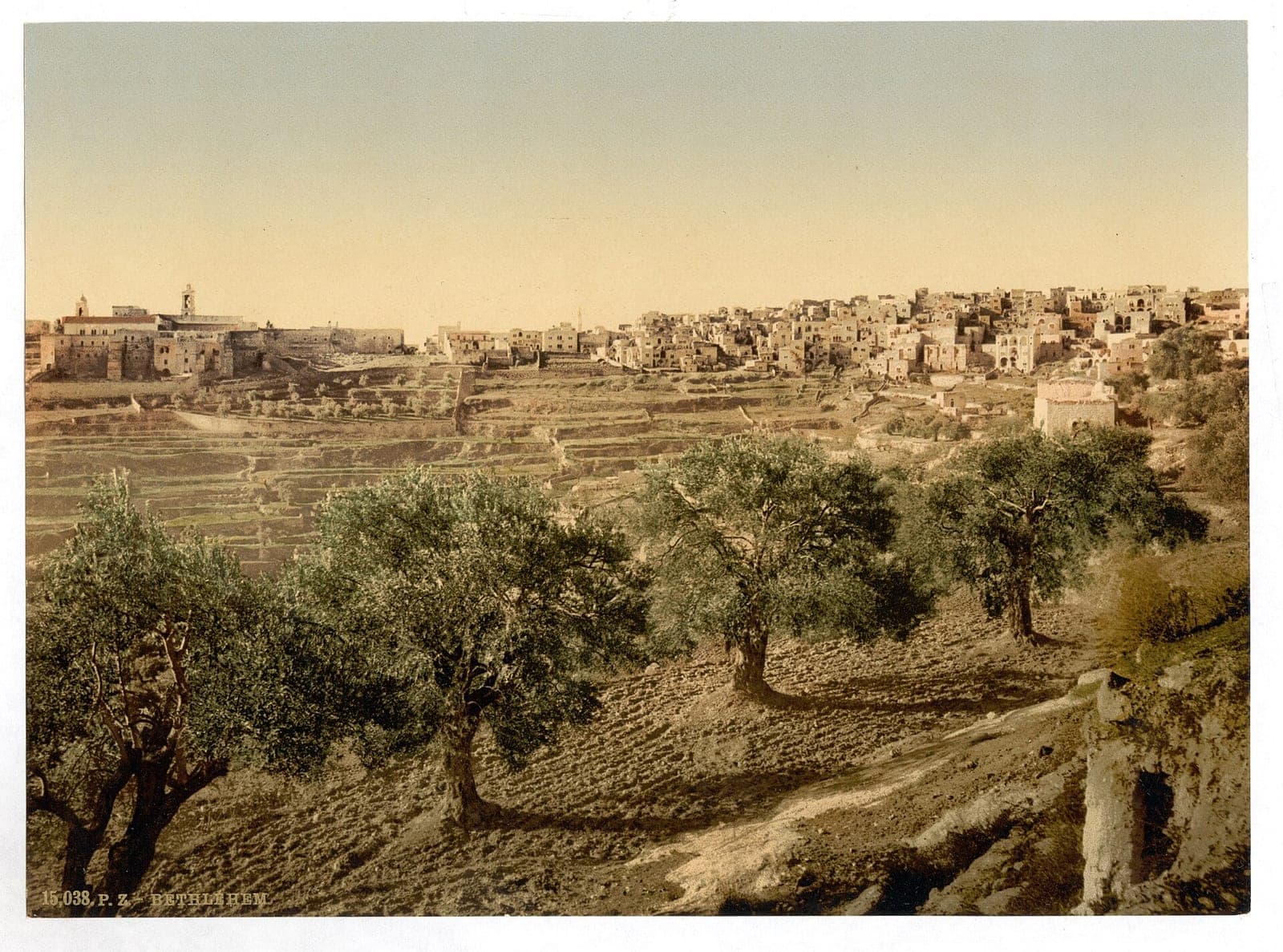
Photo: Photochrom print, Library of Congress Prints and Photographs Division (LCCN 2002724966). License: Public domain in the United States; Library of Congress states no known restrictions on publication. Source. Location: Bethlehem, West Bank; print preserved by the Library of Congress. Resized for the web.
Explore the places of the Bible
See where biblical events happened, why each place matters, and what archaeology helps us understand.
Bethlehem
David's hometown, and the town where Jesus was born.
Get full access with one subscription
Explore the people and places of the Bible. Read summaries of every book, with images and clear explanations covering every chapter. Access all these features and our Bible study tools with one subscription.
See PlansAsk AI about Matthew 13:18
Ask a question about this verse and get a clear answer, with Bible references you can read for yourself.
Every Bible book, explained chapter by chapter
Explore summaries of every book of the Bible, with images and easy-to-understand explanations covering every chapter.
Keep studying Matthew 13:18
Related Bible verses
Key themes
Related topics
At a Glance — the Book of Matthew
- Author
- Matthew the apostle
- Written
- Around AD 60-70
- Genre
- Gospel
- Original Audience
- Jewish Christians
Frequently Asked Questions
Quick, clear answers about this verse
What does Matthew 13:18 mean?
Matthew 13:18 is Jesus' invitation to his listeners to pay attention to the parable of the sower. This parable illustrates how different people respond to the message of the Kingdom of God based on their hearts and circumstances.
Why does Jesus say 'listen' in Matthew 13:18?
Jesus emphasizes 'listen' to highlight the importance of understanding the message he is about to share. He wants his audience to reflect on their own spiritual condition and how they respond to his teachings.
What are the key themes in Matthew 13:18?
Key themes in Matthew 13:18 include listening, understanding, spiritual growth, and the varying responses to God's word. It encourages self-reflection on how one receives spiritual messages.
How can I apply the message of Matthew 13:18 in my life?
To apply the message of Matthew 13:18, reflect on your own heart and how you respond to spiritual teachings. Consider what distractions or obstacles may prevent you from fully embracing God's word.
Daily Verse — straight to your inbox
A verse and a 2-sentence plain-English explanation, every morning. Free. Unsubscribe anytime.