New Testament
Matthew 13:8
Read the Bible in clear, modern English—easy to understand, faithful to the meaning, and written for everyday readers.
But some seeds fell on good soil and produced a harvest — some 100 times what was planted, some 60 times, and some 30 times.
Compare translations
But other fell into good ground, and brought forth fruit, some an hundredfold, some sixtyfold, some thirtyfold.
What Matthew 13:8 means
Plain-English insight for readers
In this verse, Jesus illustrates the outcome of seeds that fall on good soil, symbolizing receptive hearts that accept His message. The varying harvests—100, 60, and 30 times what was planted—represent the different levels of spiritual growth and productivity among believers. This emphasizes that while all who receive the Word can bear fruit, the extent of their impact may differ based on their faith, commitment, and circumstances. The good soil signifies a heart that is open, nurtured, and ready to grow, leading to a bountiful harvest. This parable encourages listeners to reflect on their own receptiveness to God's teachings and the potential for their lives to produce meaningful results in the world around them.
How to apply Matthew 13:8 to your life
To apply this teaching, we should examine the condition of our hearts and strive to cultivate a receptive attitude towards God's Word. Engaging in prayer, study, and community can help us grow spiritually and produce a fruitful life that positively impacts others.
Curated for this public verse page. Matthew Summary
Learn the Bible through its people and places
Get to know the people in Scripture through illustrated stories, and explore the places where they lived and traveled.
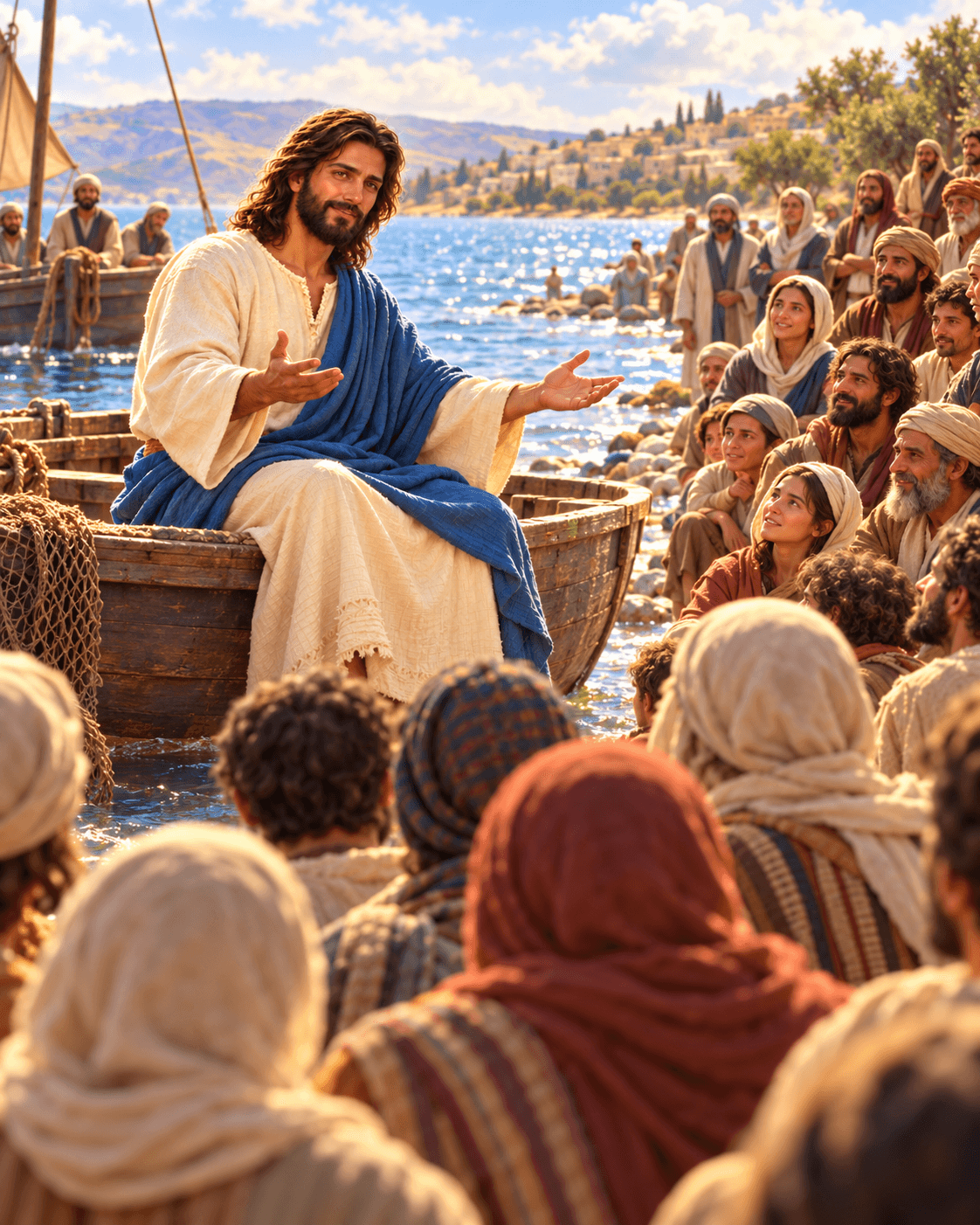
Illustrated scene from Jesus's story: Parables by the Sea (Matthew 13:1–52)
Meet the people of the Bible
Follow their lives in order, with illustrated scenes and Bible passages that tell their stories.
 Jesus

Photo: Photochrom print, Library of Congress Prints and Photographs Division (LCCN 2002724966). License: Public domain in the United States; Library of Congress states no known restrictions on publication. Source. Location: Bethlehem, West Bank; print preserved by the Library of Congress. Resized for the web.
Explore the places of the Bible
See where biblical events happened, why each place matters, and what archaeology helps us understand.
Bethlehem
David's hometown, and the town where Jesus was born.
Get full access with one subscription
Explore the people and places of the Bible. Read summaries of every book, with images and clear explanations covering every chapter. Access all these features and our Bible study tools with one subscription.
See PlansAsk AI about Matthew 13:8
Ask a question about this verse and get a clear answer, with Bible references you can read for yourself.
Every Bible book, explained chapter by chapter
Explore summaries of every book of the Bible, with images and easy-to-understand explanations covering every chapter.
Keep studying Matthew 13:8
Related Bible verses
Key themes
Related topics
At a Glance — the Book of Matthew
- Author
- Matthew the apostle
- Written
- Around AD 60-70
- Genre
- Gospel
- Original Audience
- Jewish Christians
Frequently Asked Questions
Quick, clear answers about this verse
What does Matthew 13:8 mean?
Matthew 13:8 illustrates how seeds that fall on good soil represent hearts that accept Jesus' message. The varying harvests of 100, 60, and 30 times symbolize different levels of spiritual growth and productivity among believers.
What is the meaning of 'good soil' in Matthew 13:8?
In Matthew 13:8, 'good soil' symbolizes a receptive heart that is open to God's Word. It signifies a person who nurtures their faith and is ready to grow spiritually, leading to a fruitful life.
How does Matthew 13:8 apply to my life?
Matthew 13:8 encourages you to examine your heart's receptiveness to God's Word. By cultivating a positive attitude through prayer and study, you can grow spiritually and positively impact those around you.
What do the different harvests in Matthew 13:8 represent?
The different harvests of 100, 60, and 30 times in Matthew 13:8 represent the varying degrees of spiritual growth and productivity among believers. It highlights that while all can bear fruit, the extent of their impact may differ.
Daily Verse — straight to your inbox
A verse and a 2-sentence plain-English explanation, every morning. Free. Unsubscribe anytime.