New Testament
Matthew 15:12
Read the Bible in clear, modern English—easy to understand, faithful to the meaning, and written for everyday readers.
His disciples came to him and said, "Do you realize the Pharisees were offended when they heard that?"
Compare translations
Then came his disciples, and said unto him, Knowest thou that the Pharisees were offended, after they heard this saying?
What Matthew 15:12 means
Plain-English insight for readers
In this verse, the disciples of Jesus express their concern about the reaction of the Pharisees to Jesus' teachings. The Pharisees were religious leaders who held strict interpretations of the law, and they often felt threatened by Jesus' radical ideas. The disciples are surprised that Jesus would say something that could offend such influential figures. This moment highlights the tension between Jesus and the religious authorities of the time. It shows that Jesus was not afraid to challenge the status quo, even if it meant upsetting those in power. The disciples' question reflects their understanding of the social dynamics and the potential consequences of Jesus' words. They are worried about the backlash that might come from offending the Pharisees, who had significant influence over the people. This verse serves as a reminder that following Jesus may lead to conflict with established norms and expectations, but it is essential to prioritize truth over popularity.
How to apply Matthew 15:12 to your life
When faced with opposition for our beliefs, we should remember that standing for truth may sometimes offend others. It's important to remain steadfast in our faith and not shy away from sharing what we believe, even if it challenges established norms.
Curated for this public verse page. Matthew Summary
Explore more of the Bible
Learn the Bible through its people and places
Get to know the people in Scripture through illustrated stories, and explore the places where they lived and traveled.
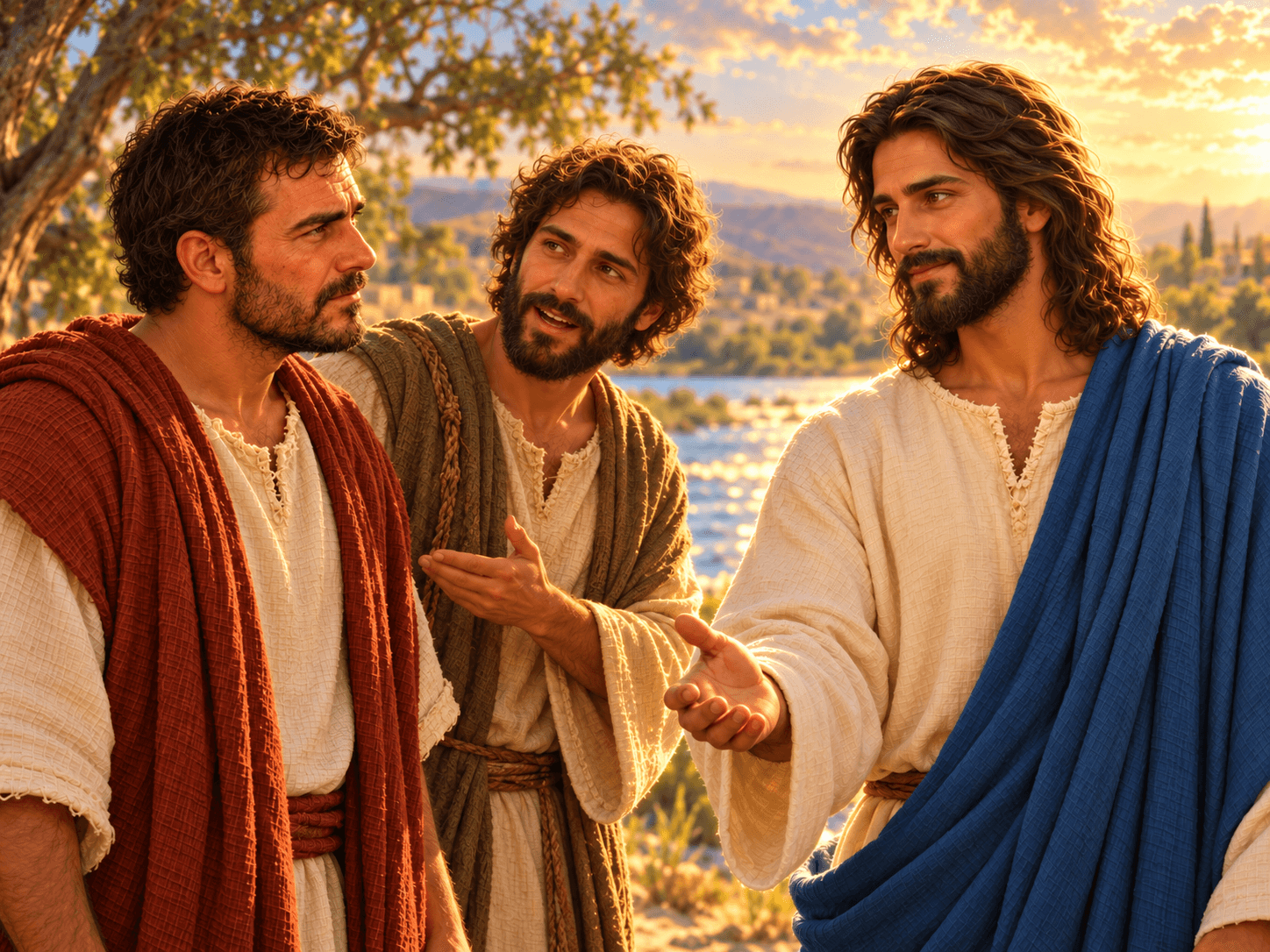
Illustrated scene from Peter's story: Andrew Brings Simon to Jesus (John 1:40–42)
Meet the people of the Bible
Follow their lives in order, with illustrated scenes and Bible passages that tell their stories.
 Peter
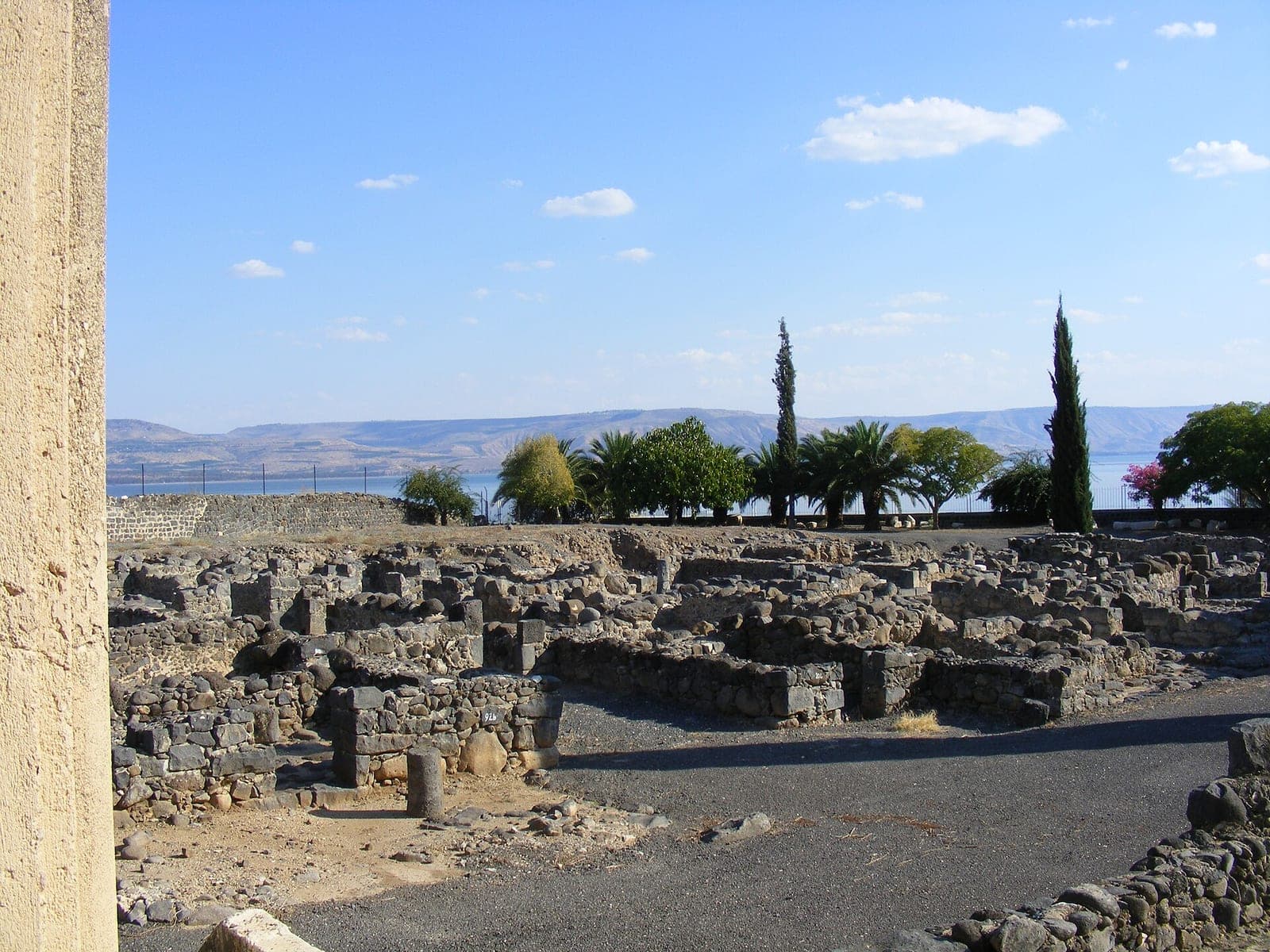
Photo: zeevveez, via Wikimedia Commons. License: CC BY 2.0. Source. Location: Capernaum, on the northern shore of the Sea of Galilee. Resized for the web.
Explore the places of the Bible
See where biblical events happened, why each place matters, and what archaeology helps us understand.
Capernaum
Jesus' home base by the Sea of Galilee, and the town where Peter lived.
Get full access with one subscription
Explore the people and places of the Bible. Read summaries of every book, with images and clear explanations covering every chapter. Access all these features and our Bible study tools with one subscription.
See PlansAsk AI about Matthew 15:12
Ask a question about this verse and get a clear answer, with Bible references you can read for yourself.
Every Bible book, explained chapter by chapter
Explore summaries of every book of the Bible, with images and easy-to-understand explanations covering every chapter.
Keep studying Matthew 15:12
Related Bible verses
Key themes
Related topics
At a Glance — the Book of Matthew
- Author
- Matthew the apostle
- Written
- Around AD 60-70
- Genre
- Gospel
- Original Audience
- Jewish Christians
Frequently Asked Questions
Quick, clear answers about this verse
What did Jesus say that offended the Pharisees?
In Matthew 15:12, the specific saying that offended the Pharisees is not detailed in this verse. However, it follows a discussion where Jesus challenges the Pharisees' traditions regarding ritual cleanliness and emphasizes the importance of inner purity over external observance. His teachings often contradicted their strict interpretations of the law, which likely contributed to their offense.
Why were the disciples concerned about the Pharisees' offense?
The disciples were concerned because the Pharisees were influential religious leaders who held significant power and authority over the people. They feared that offending such figures could lead to backlash against Jesus and potentially jeopardize their own safety and ministry. This concern reflects their understanding of the social dynamics of the time and the risks associated with challenging established religious norms.
What does this verse teach about standing for truth?
Matthew 15:12 illustrates that standing for truth can lead to conflict, especially when it challenges established norms or authority. Jesus' willingness to offend the Pharisees shows that prioritizing truth over popularity is essential in faith. Believers are encouraged to remain steadfast in their convictions, even when faced with opposition or criticism from those in power.
How can we apply this verse in our lives today?
This verse encourages us to be courageous in our beliefs, even when they may offend others. In today's context, it reminds us that standing up for what is right or true may lead to discomfort or backlash. It's important to communicate our beliefs with love and respect, while also being prepared for potential conflict, knowing that truth sometimes challenges societal norms.
Daily Verse — straight to your inbox
A verse and a 2-sentence plain-English explanation, every morning. Free. Unsubscribe anytime.