Matthew 15:13
Jesus replied, "Every plant that my heavenly Father didn't plant will be pulled up by the roots.
What Matthew 15:13 means
Plain-English insight for readers
In this verse, Jesus is emphasizing the importance of divine authority in spiritual matters. He uses the metaphor of plants to illustrate that only what God has established will endure. Any teachings or practices that are not rooted in God's will are destined to fail and be removed. This statement serves as a warning against following false teachings or leaders who do not align with God's truth. Jesus is asserting that God is the ultimate gardener, and He will ensure that only His true followers and teachings remain. This reflects a broader theme in the Gospel of Matthew, where Jesus often confronts the religious leaders of His time, highlighting their hypocrisy and the need for genuine faith. The imagery of being 'pulled up by the roots' suggests a complete removal, indicating that anything not aligned with God's purpose is not just ineffective but will ultimately face judgment.
How to apply Matthew 15:13 to your life
This verse encourages us to evaluate our beliefs and practices against God's Word. We should seek to follow teachings that are rooted in Scripture and align with God's truth. It reminds us to be discerning about spiritual influences in our lives, ensuring they come from God.
In the King James Version
But he answered and said, Every plant, which my heavenly Father hath not planted, shall be rooted up.
Ask about this verse
Ask anything about Matthew 15:13 and get a clear answer from Scripture.
Have a question about this verse? Explore it with ClearBible.
Premium answers your questions about any verse from Scripture itself, shows the verses it rests on, and opens Clear on every passage. You also get all 66 book summaries.
7 days free, then $99/year. Card required. Cancel anytime.
Explore more of the Bible
Learn the Bible through its people and places
Get to know the people in Scripture through illustrated stories, and explore the places where they lived and traveled.
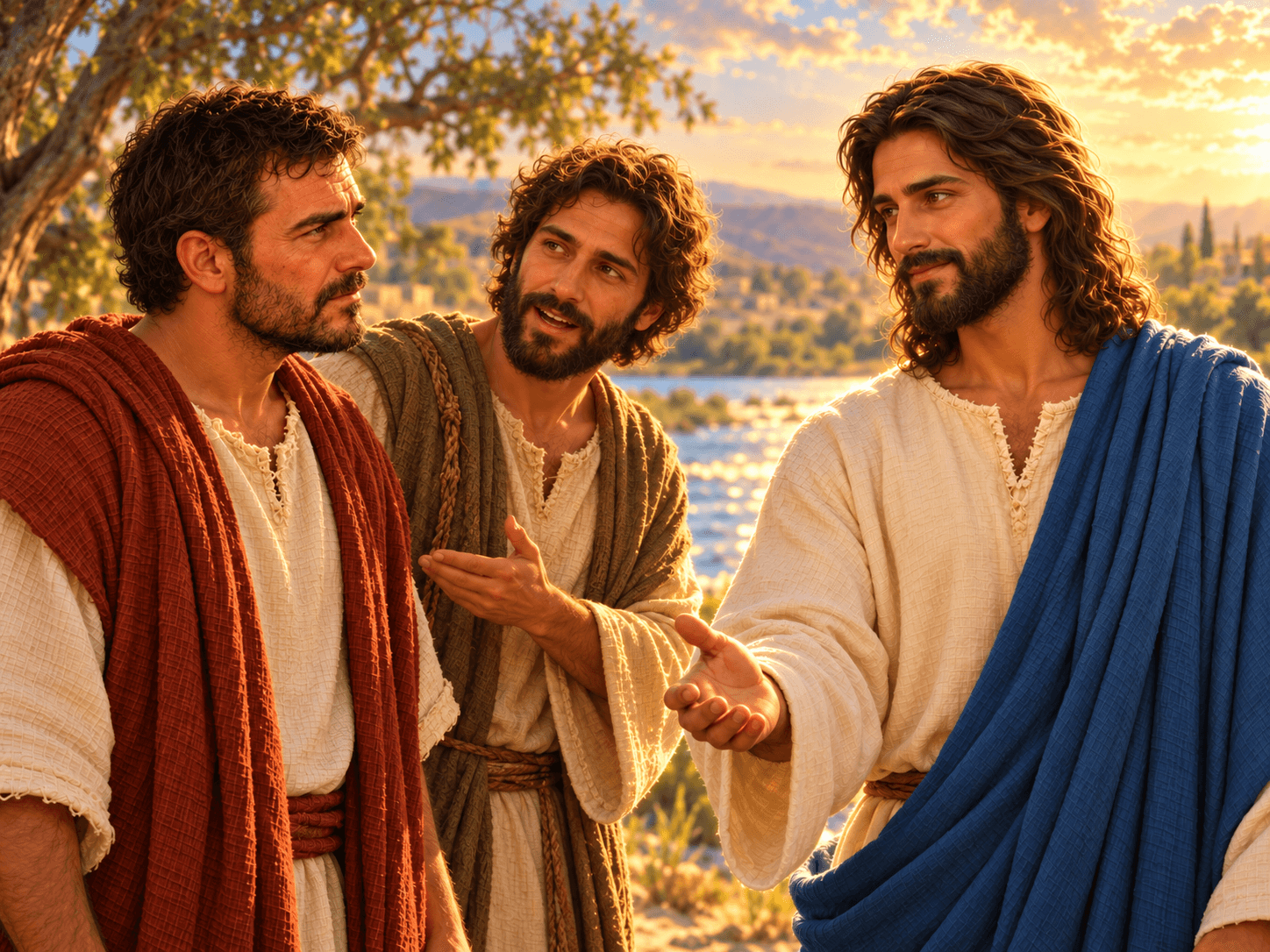
Illustrated scene from Peter's story: Andrew Brings Simon to Jesus (John 1:40–42)
Meet the people of the Bible
Follow their lives in order, with illustrated scenes and Bible passages that tell their stories.
 Peter
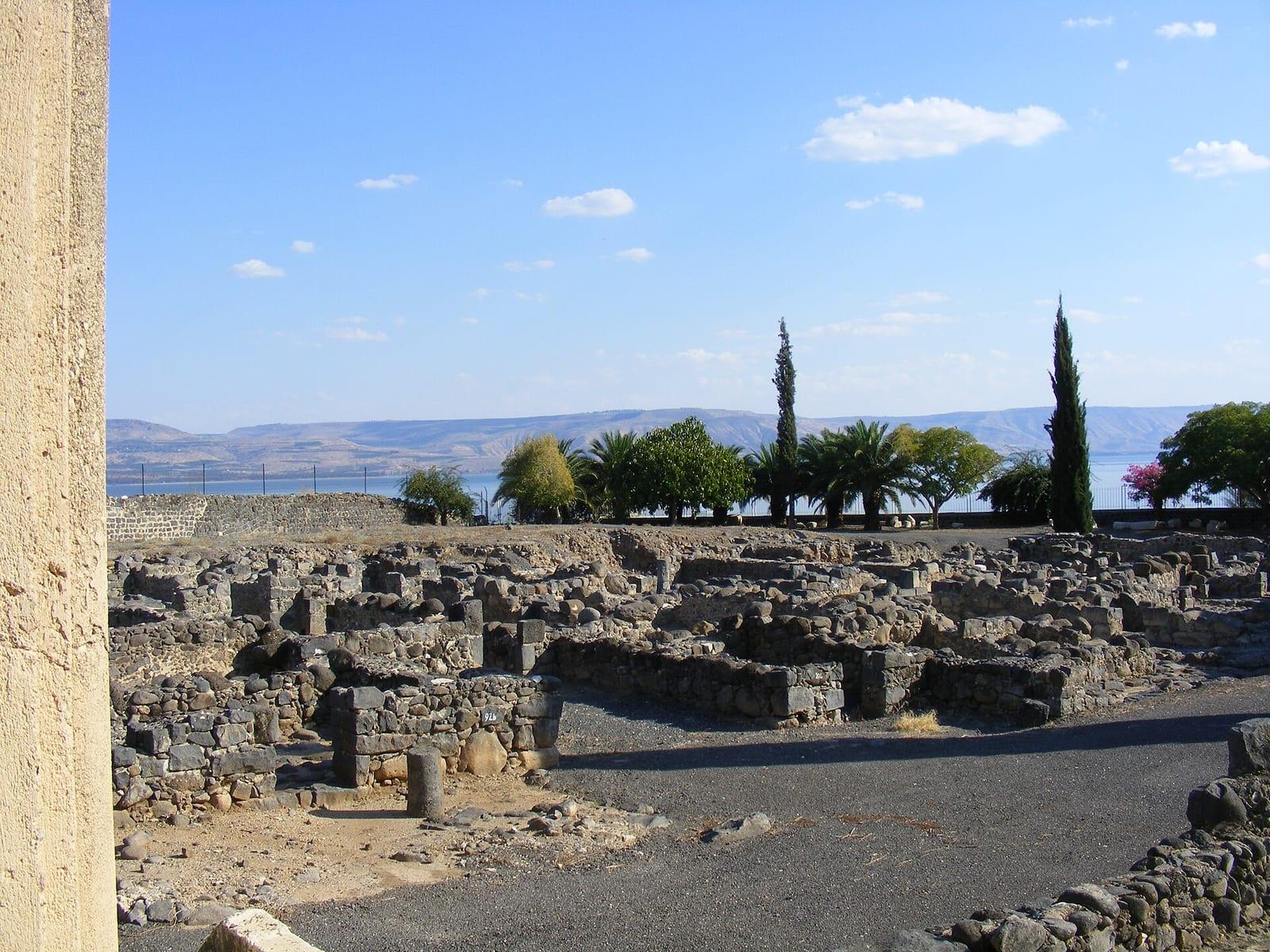
Photo: zeevveez, via Wikimedia Commons. License: CC BY 2.0. Source. Location: Capernaum, on the northern shore of the Sea of Galilee. Resized for the web.
Explore the places of the Bible
See where biblical events happened, why each place matters, and what archaeology helps us understand.
Capernaum
Jesus' home base by the Sea of Galilee, and the town where Peter lived.
Every Bible book, explained chapter by chapter
Explore summaries of every book of the Bible, with images and easy-to-understand explanations covering every chapter.
Keep studying Matthew 15:13
Related Bible verses
Key themes
At a Glance — the Book of Matthew
- Author
- Matthew the apostle
- Written
- Around AD 60-70
- Genre
- Gospel
- Original Audience
- Jewish Christians
Frequently Asked Questions
Quick, clear answers about this verse
What does Matthew 15:13 mean?
Matthew 15:13 means that only what God has established will last. Jesus uses the metaphor of plants to show that teachings not rooted in God's will are destined to fail and will be removed.
What is the significance of 'pulled up by the roots' in Matthew 15:13?
The phrase 'pulled up by the roots' signifies complete removal and judgment. It indicates that anything not aligned with God's purpose will not only be ineffective but will ultimately face consequences.
How does Matthew 15:13 relate to false teachings?
Matthew 15:13 warns that false teachings, like plants not planted by God, will not endure. It emphasizes the need to discern spiritual influences and ensure they are rooted in God's Word.
What themes are present in Matthew 15:13?
Key themes in Matthew 15:13 include divine authority, spiritual integrity, the danger of false teachings, and the judgment that comes from not aligning with God's will.
Daily Verse — straight to your inbox
A verse and a 2-sentence plain-English explanation, every morning. Free. Unsubscribe anytime.