New Testament
Matthew 15:24
Read the Bible in clear, modern English—easy to understand, faithful to the meaning, and written for everyday readers.
Jesus answered, "I was sent only to the lost sheep of the house of Israel."
Compare translations
But he answered and said, I am not sent but unto the lost sheep of the house of Israel.
What Matthew 15:24 means
Plain-English insight for readers
In this verse, Jesus clarifies His mission during His earthly ministry. He indicates that His primary focus is on the people of Israel, often referred to as the 'lost sheep.' This phrase symbolizes those who have strayed from their faith and are in need of guidance and salvation. Jesus acknowledges that His ministry is initially directed towards the Jewish people, emphasizing the importance of fulfilling God's promises to them. This does not mean that others are excluded from His love and message, but rather that His mission begins with Israel. This statement reflects the historical context of Jesus' ministry, where He aimed to restore the relationship between God and His chosen people. It also sets the stage for the later expansion of His message to all nations, highlighting the inclusive nature of the Gospel that would follow after His resurrection.
How to apply Matthew 15:24 to your life
Understanding Jesus' focus on the lost sheep of Israel reminds us of the importance of reaching out to those who are spiritually lost in our communities. We should actively seek to share love and guidance with those who may feel abandoned or disconnected from their faith.
Curated for this public verse page. Matthew Summary
Explore more of the Bible
Learn the Bible through its people and places
Get to know the people in Scripture through illustrated stories, and explore the places where they lived and traveled.
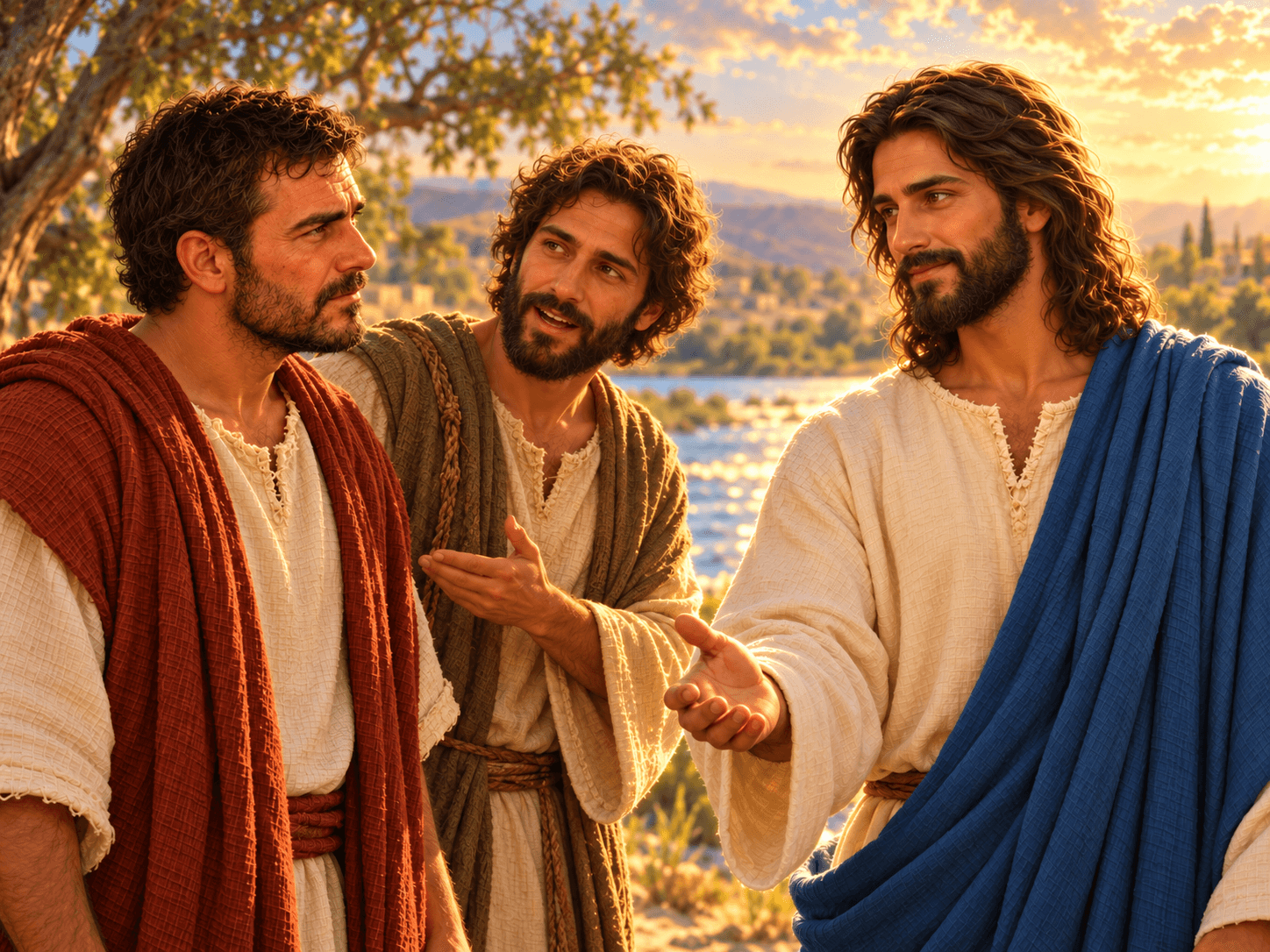
Illustrated scene from Peter's story: Andrew Brings Simon to Jesus (John 1:40–42)
Meet the people of the Bible
Follow their lives in order, with illustrated scenes and Bible passages that tell their stories.
 Peter

Photo: zeevveez, via Wikimedia Commons. License: CC BY 2.0. Source. Location: Capernaum, on the northern shore of the Sea of Galilee. Resized for the web.
Explore the places of the Bible
See where biblical events happened, why each place matters, and what archaeology helps us understand.
Capernaum
Jesus' home base by the Sea of Galilee, and the town where Peter lived.
Get full access with one subscription
Explore the people and places of the Bible. Read summaries of every book, with images and clear explanations covering every chapter. Access all these features and our Bible study tools with one subscription.
See PlansAsk AI about Matthew 15:24
Ask a question about this verse and get a clear answer, with Bible references you can read for yourself.
Every Bible book, explained chapter by chapter
Explore summaries of every book of the Bible, with images and easy-to-understand explanations covering every chapter.
Keep studying Matthew 15:24
Related Bible verses
Key themes
Related topics
At a Glance — the Book of Matthew
- Author
- Matthew the apostle
- Written
- Around AD 60-70
- Genre
- Gospel
- Original Audience
- Jewish Christians
Frequently Asked Questions
Quick, clear answers about this verse
What does Matthew 15:24 mean?
In Matthew 15:24, Jesus explains that His mission is primarily focused on the Jewish people, referred to as the 'lost sheep' who need guidance and salvation. This highlights His role in fulfilling God's promises to Israel.
What is the meaning of 'lost sheep' in Matthew 15:24?
The term 'lost sheep' in Matthew 15:24 symbolizes those in Israel who have strayed from their faith and are in need of spiritual guidance. It reflects Jesus' compassion for those who feel abandoned or disconnected from God.
How does Matthew 15:24 relate to Jesus' overall mission?
Matthew 15:24 illustrates the specific focus of Jesus' ministry on Israel, setting the foundation for His later command to spread the Gospel to all nations. It shows the progression of His mission from the Jewish people to a broader audience.
Daily Verse — straight to your inbox
A verse and a 2-sentence plain-English explanation, every morning. Free. Unsubscribe anytime.