Matthew 15:9
“But they worship me for nothing, teaching human commandments as doctrines.”
What Matthew 15:9 means
Plain-English insight for readers
In this verse, Jesus criticizes the religious leaders for their empty worship. He points out that they prioritize human traditions over God's true commandments. Their teachings, which are based on human rules, do not align with God's intentions, rendering their worship ineffective. This highlights the importance of genuine faith and obedience to God's word rather than merely following man-made rules. Jesus emphasizes that true worship must come from the heart and be rooted in a sincere relationship with God, rather than being a mere performance of rituals or adherence to traditions that lack divine authority. The verse serves as a reminder that worship should be authentic and aligned with God's teachings, rather than being influenced by human opinions or customs.
How to apply Matthew 15:9 to your life
To apply this teaching, we should examine our own practices of worship and faith. Are we following traditions that may not align with God's word? It's essential to prioritize a genuine relationship with God and ensure our worship reflects His true commands rather than human-made rules.
In the King James Version
But in vain they do worship me, teaching for doctrines the commandments of men.
Ask about this verse
Ask anything about Matthew 15:9 and get a clear answer from Scripture.
Have a question about this verse? Explore it with ClearBible.
Premium answers your questions about any verse from Scripture itself, shows the verses it rests on, and opens Clear on every passage. You also get all 66 book summaries.
7 days free, then $99/year. Card required. Cancel anytime.
Explore more of the Bible
Learn the Bible through its people and places
Get to know the people in Scripture through illustrated stories, and explore the places where they lived and traveled.
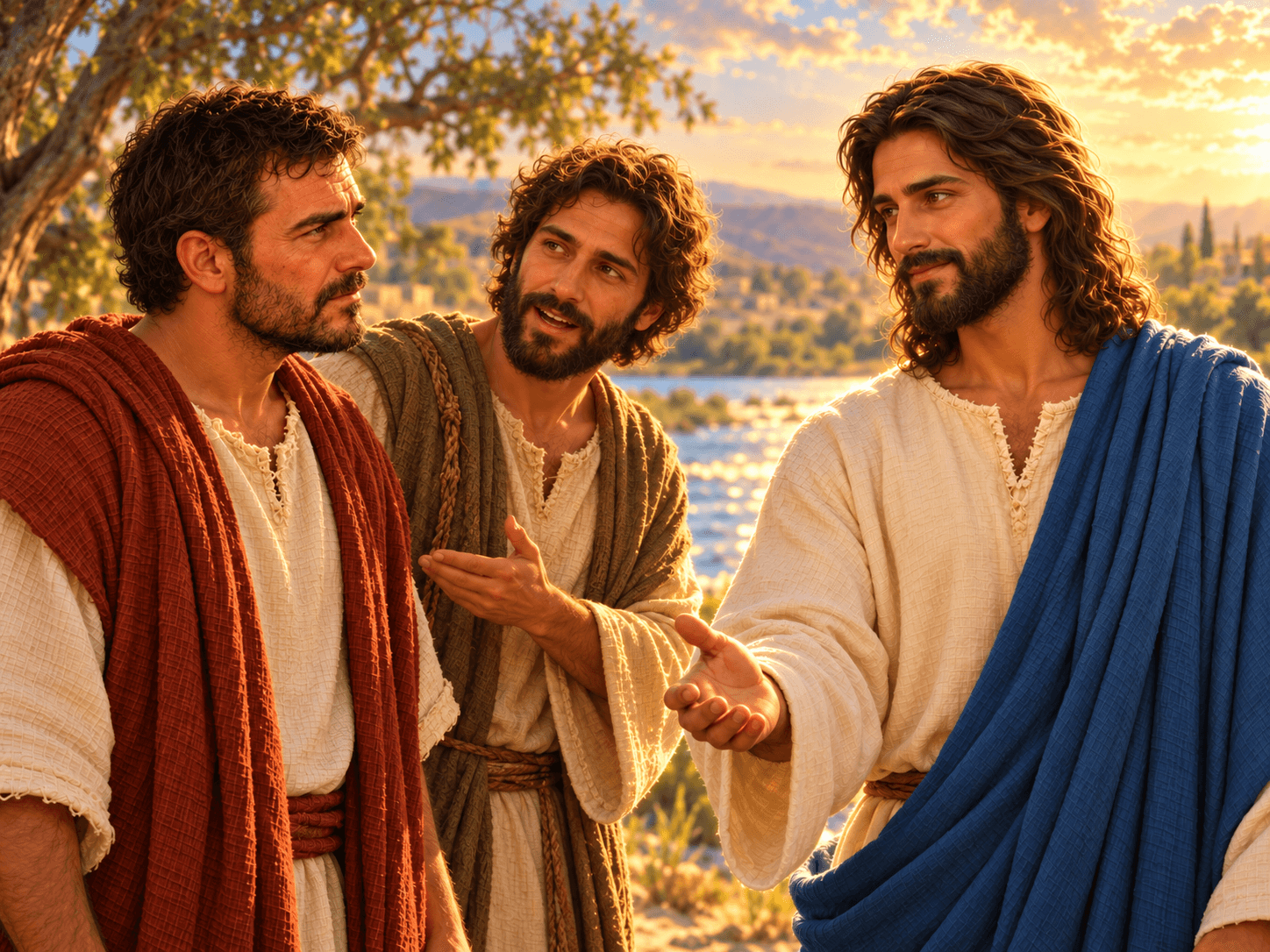
Illustrated scene from Peter's story: Andrew Brings Simon to Jesus (John 1:40–42)
Meet the people of the Bible
Follow their lives in order, with illustrated scenes and Bible passages that tell their stories.
 Peter
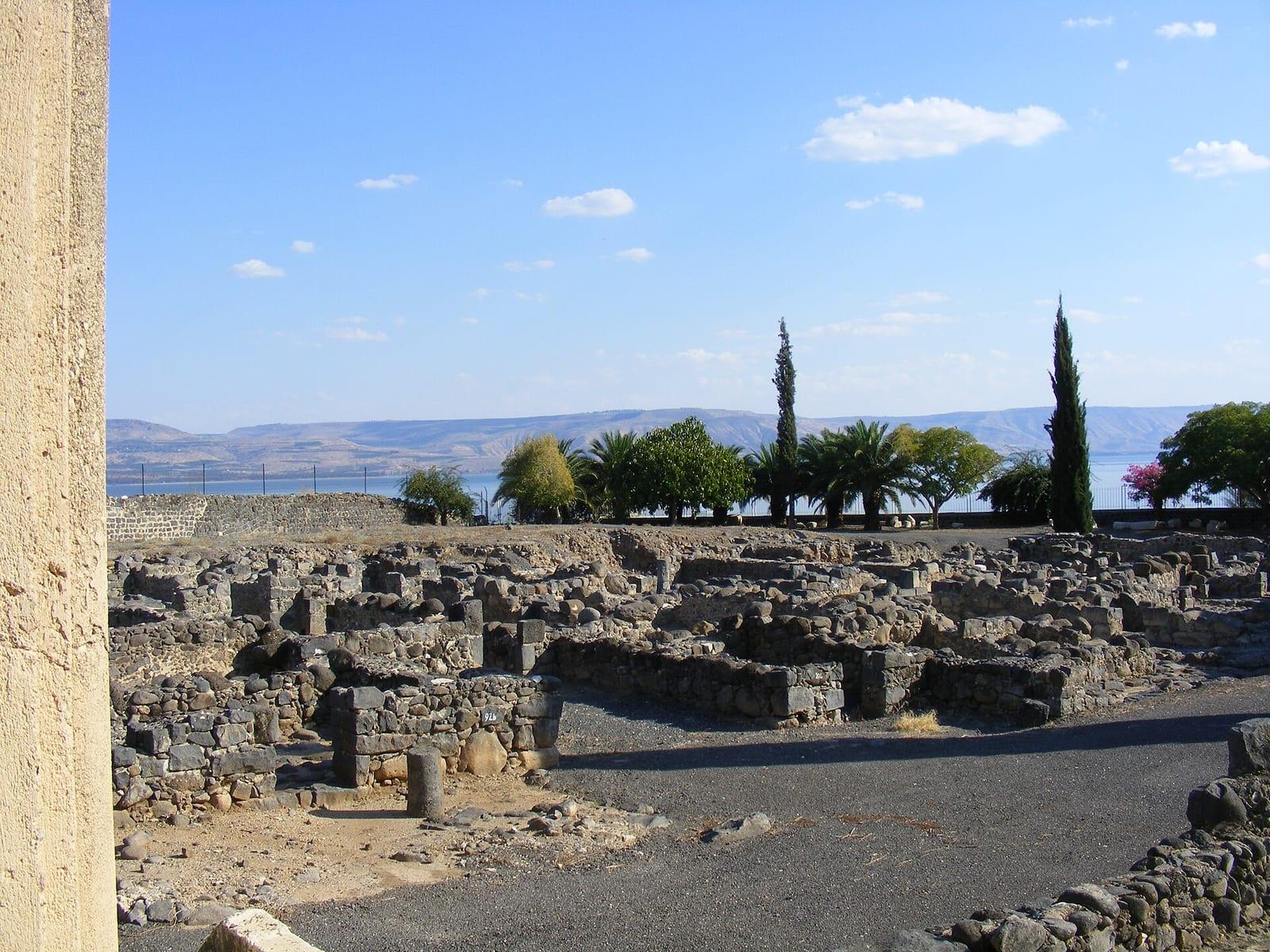
Photo: zeevveez, via Wikimedia Commons. License: CC BY 2.0. Source. Location: Capernaum, on the northern shore of the Sea of Galilee. Resized for the web.
Explore the places of the Bible
See where biblical events happened, why each place matters, and what archaeology helps us understand.
Capernaum
Jesus' home base by the Sea of Galilee, and the town where Peter lived.
Every Bible book, explained chapter by chapter
Explore summaries of every book of the Bible, with images and easy-to-understand explanations covering every chapter.
Keep studying Matthew 15:9
Related Bible verses
Key themes
Related topics
At a Glance — the Book of Matthew
- Author
- Matthew the apostle
- Written
- Around AD 60-70
- Genre
- Gospel
- Original Audience
- Jewish Christians
Frequently Asked Questions
Quick, clear answers about this verse
What does Matthew 15:9 mean?
Matthew 15:9 means that Jesus is criticizing the religious leaders for their worship being meaningless because they prioritize human traditions over God's true commandments.
What is the meaning of 'empty worship' in Matthew 15:9?
'Empty worship' in Matthew 15:9 refers to worship that lacks sincerity and genuine connection with God, as it is based on human rules rather than true obedience to God's teachings.
How does Matthew 15:9 apply to modern worship?
Matthew 15:9 applies to modern worship by reminding us to evaluate our practices and ensure they align with God's commands rather than merely following traditions or human opinions.
What does Jesus teach about traditions in Matthew 15:9?
In Matthew 15:9, Jesus teaches that traditions should not overshadow God's commandments; instead, worship should be rooted in genuine faith and obedience to God's word.
Daily Verse — straight to your inbox
A verse and a 2-sentence plain-English explanation, every morning. Free. Unsubscribe anytime.