New Testament
Matthew 18:29
Read the Bible in clear, modern English—easy to understand, faithful to the meaning, and written for everyday readers.
His fellow servant fell to his knees and begged, 'Please, be patient with me! I'll pay you back!'
Compare translations
And his fellowservant fell down at his feet, and besought him, saying, Have patience with me, and I will pay thee all.
What Matthew 18:29 means
Plain-English insight for readers
In this verse, a fellow servant pleads for mercy from a man who has just been forgiven a large debt. He falls to his knees, showing desperation and humility, and asks for patience, promising to repay the debt. This moment highlights the human tendency to seek forgiveness while often failing to extend the same grace to others. The plea for patience reflects a deep understanding of one's own shortcomings and the hope for compassion in return. The context of this verse is crucial, as it follows a parable about forgiveness, illustrating the importance of mercy in relationships. The fellow servant's situation mirrors our own need for forgiveness from God, emphasizing that we should also forgive those who wrong us. This interaction serves as a reminder of the grace we receive and the obligation to share that grace with others, reinforcing the message that forgiveness is a two-way street.
How to apply Matthew 18:29 to your life
When someone wrongs us, we should remember our own need for forgiveness. Instead of holding grudges, we can choose to extend grace and patience, just as we hope to receive it. This practice fosters healthier relationships and reflects our understanding of God's mercy.
Curated for this public verse page. Matthew Summary
Learn the Bible through its people and places
Get to know the people in Scripture through illustrated stories, and explore the places where they lived and traveled.
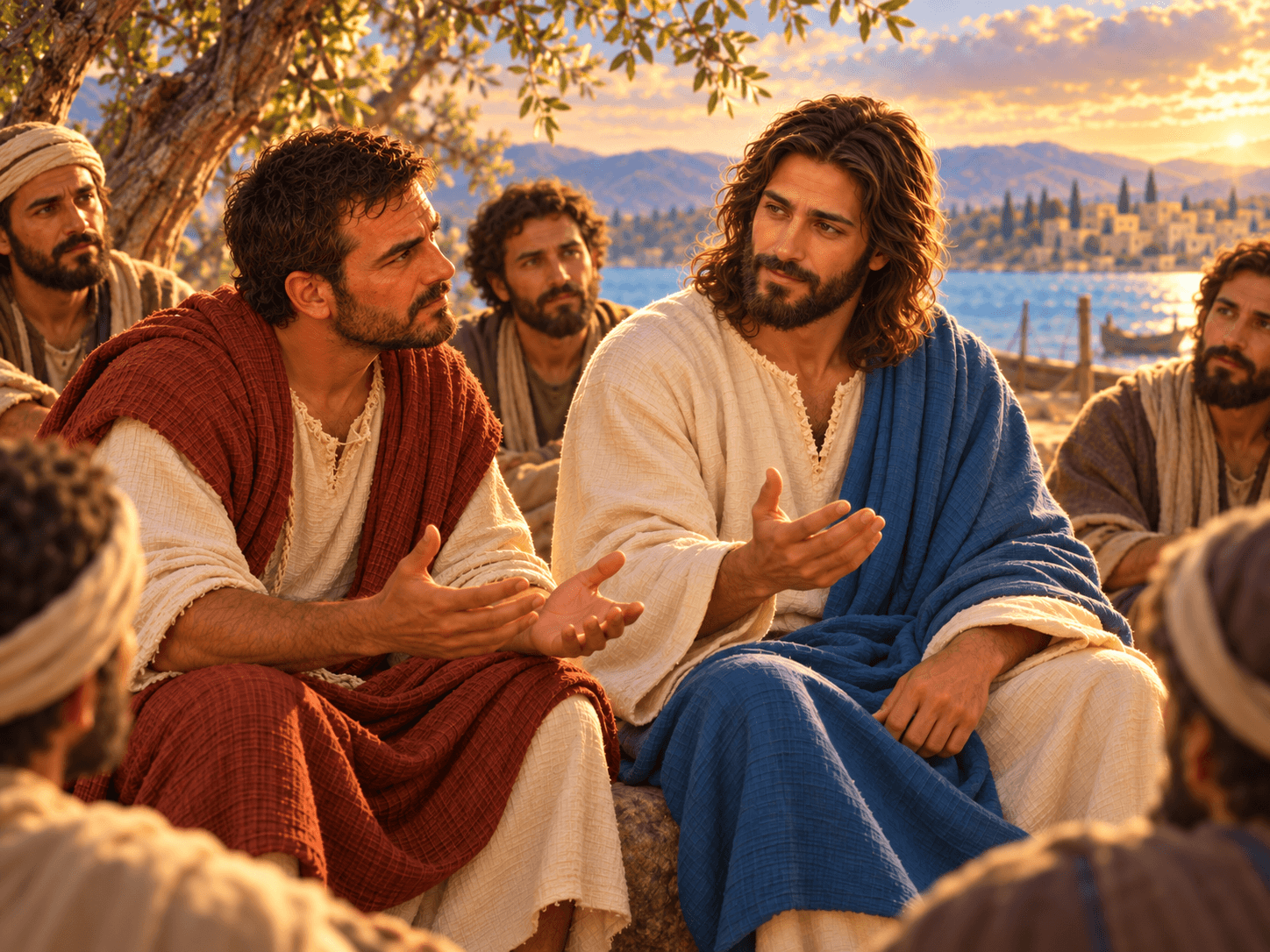
Illustrated scene from Peter's story: “How Many Times Shall I Forgive?” (Matthew 18:21–35)
Meet the people of the Bible
Follow their lives in order, with illustrated scenes and Bible passages that tell their stories.
 Peter

Photo: Photochrom print, Library of Congress Prints and Photographs Division (LCCN 2002725045). License: Public domain in the United States; Library of Congress states no known restrictions on publication. Source. Location: Nazareth, Israel; print preserved by the Library of Congress. Resized for the web.
Explore the places of the Bible
See where biblical events happened, why each place matters, and what archaeology helps us understand.
Nazareth
The small town in Galilee where Jesus grew up.
Get full access with one subscription
Explore the people and places of the Bible. Read summaries of every book, with images and clear explanations covering every chapter. Access all these features and our Bible study tools with one subscription.
See PlansAsk AI about Matthew 18:29
Ask a question about this verse and get a clear answer, with Bible references you can read for yourself.
Every Bible book, explained chapter by chapter
Explore summaries of every book of the Bible, with images and easy-to-understand explanations covering every chapter.
Keep studying Matthew 18:29
Related Bible verses
Key themes
Related topics
At a Glance — the Book of Matthew
- Author
- Matthew the apostle
- Written
- Around AD 60-70
- Genre
- Gospel
- Original Audience
- Jewish Christians
Frequently Asked Questions
Quick, clear answers about this verse
What does Matthew 18:29 mean?
Matthew 18:29 depicts a fellow servant pleading for mercy after being unable to repay a debt. This moment emphasizes the importance of forgiveness and compassion, as it follows a parable about extending grace to others.
What is the significance of patience in Matthew 18:29?
In Matthew 18:29, the plea for patience highlights the human desire for understanding and mercy. It serves as a reminder that just as we seek patience from others, we should also be willing to offer it.
What does the term 'fellow servant' imply in Matthew 18:29?
The term 'fellow servant' in Matthew 18:29 indicates a shared status among servants, suggesting that we are all in similar positions regarding our debts and need for forgiveness. It underscores the idea of mutual responsibility in relationships.
How does Matthew 18:29 relate to forgiveness?
Matthew 18:29 illustrates the theme of forgiveness by showing a servant who has been forgiven a large debt yet struggles to forgive a smaller one. This interaction emphasizes the necessity of extending the same grace we receive from others.
Daily Verse — straight to your inbox
A verse and a 2-sentence plain-English explanation, every morning. Free. Unsubscribe anytime.