New Testament
Matthew 21:11
Read the Bible in clear, modern English—easy to understand, faithful to the meaning, and written for everyday readers.
The crowds answered, "This is Jesus, the prophet from Nazareth in Galilee."
Compare translations
And the multitude said, This is Jesus the prophet of Nazareth of Galilee.
What Matthew 21:11 means
Plain-English insight for readers
In this verse, the crowds recognize Jesus as a prophet from Nazareth in Galilee. This acknowledgment highlights Jesus' role as a messenger of God, someone who speaks on behalf of God and conveys His will to the people. The mention of Nazareth indicates Jesus' humble beginnings, as it was not a prominent city. The crowd's declaration reflects their excitement and hope, as they see Jesus as a significant figure who could bring change. This moment occurs during Jesus' triumphant entry into Jerusalem, where the people are eager to welcome Him, believing He might be the long-awaited Messiah. Their recognition of Him as a prophet suggests they see Him as a leader who can guide them spiritually and politically. However, their understanding of His mission may be limited, as they expect a different kind of savior. This verse sets the stage for the events of Holy Week, where Jesus' true purpose will be revealed through His teachings, actions, and ultimately, His sacrifice.
How to apply Matthew 21:11 to your life
We can learn from the crowd's recognition of Jesus as a prophet. It encourages us to acknowledge Jesus in our lives and understand His teachings. By recognizing His authority and guidance, we can deepen our faith and seek to follow His example in our daily actions.
Curated for this public verse page. Matthew Summary
Learn the Bible through its people and places
Get to know the people in Scripture through illustrated stories, and explore the places where they lived and traveled.
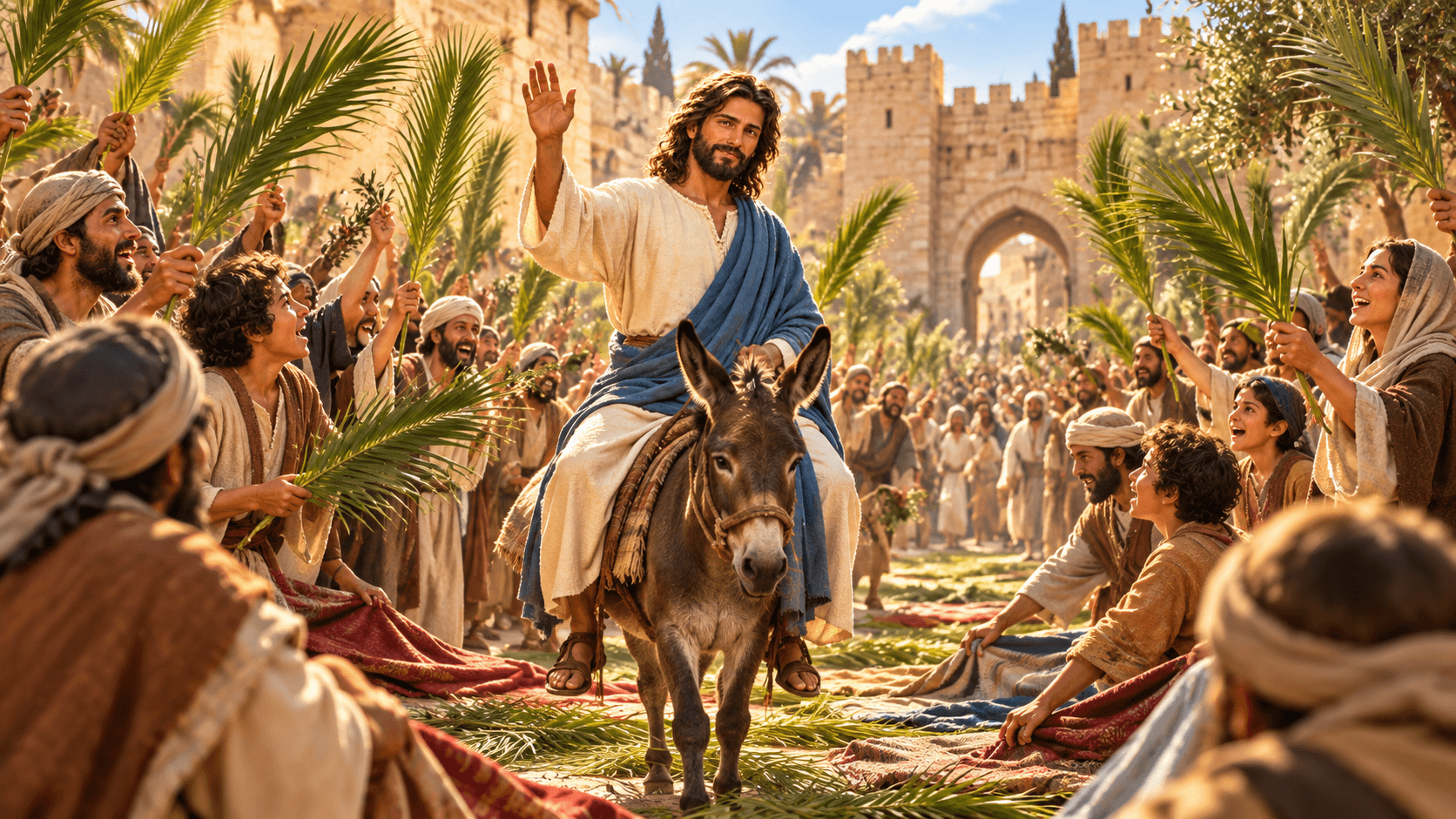
Illustrated scene from Jesus's story: The Triumphal Entry (Matthew 21:1–11)
Meet the people of the Bible
Follow their lives in order, with illustrated scenes and Bible passages that tell their stories.
 Jesus

Photo: Gary Todd (Gary Lee Todd, Ph.D.), via Wikimedia Commons. License: CC0 1.0 Universal Public Domain Dedication. Source. Location: Southern end of the Temple Mount, Jerusalem Old City. Resized for the web.
Explore the places of the Bible
See where biblical events happened, why each place matters, and what archaeology helps us understand.
Jerusalem
David's capital, the city of the temple, and the place where Jesus died and rose again.
Get full access with one subscription
Explore the people and places of the Bible. Read summaries of every book, with images and clear explanations covering every chapter. Access all these features and our Bible study tools with one subscription.
See PlansAsk AI about Matthew 21:11
Ask a question about this verse and get a clear answer, with Bible references you can read for yourself.
Every Bible book, explained chapter by chapter
Explore summaries of every book of the Bible, with images and easy-to-understand explanations covering every chapter.
Keep studying Matthew 21:11
Related Bible verses
Key themes
Related topics
At a Glance — the Book of Matthew
- Author
- Matthew the apostle
- Written
- Around AD 60-70
- Genre
- Gospel
- Original Audience
- Jewish Christians
Frequently Asked Questions
Quick, clear answers about this verse
What does Matthew 21:11 mean?
Matthew 21:11 describes the crowd recognizing Jesus as a prophet from Nazareth in Galilee during His entry into Jerusalem. This acknowledgment reflects their excitement and hope for change, seeing Him as a significant figure who could fulfill their expectations of a Messiah.
What is the significance of Jesus being called a prophet in Matthew 21:11?
In Matthew 21:11, Jesus being called a prophet highlights His role as a messenger of God. It emphasizes His authority to convey God's will and suggests that the crowd viewed Him as a leader who could guide them spiritually and politically.
Why do the crowds mention Nazareth in Matthew 21:11?
The mention of Nazareth in Matthew 21:11 points to Jesus' humble beginnings, as Nazareth was not a prominent city. This detail underscores the contrast between His lowly origins and the significant role the crowd believes He plays as a prophet.
What does the crowd's excitement in Matthew 21:11 indicate?
The crowd's excitement in Matthew 21:11 indicates their hope and anticipation for Jesus as a potential Messiah. Their enthusiastic recognition of Him reflects their desire for spiritual and political change during a time of oppression.
Daily Verse — straight to your inbox
A verse and a 2-sentence plain-English explanation, every morning. Free. Unsubscribe anytime.