New Testament
Matthew 21:35
Read the Bible in clear, modern English—easy to understand, faithful to the meaning, and written for everyday readers.
But the farmers grabbed his servants — they beat one, killed another, and stoned a third.
Compare translations
And the husbandmen took his servants, and beat one, and killed another, and stoned another.
What Matthew 21:35 means
Plain-English insight for readers
In this verse, Jesus tells a parable about a landowner who sends his servants to collect the fruits of his vineyard. The farmers, representing the religious leaders, violently reject the landowner's messengers. They beat one servant, kill another, and stone a third. This reflects the historical treatment of prophets and messengers sent by God, illustrating the rejection of divine authority. The actions of the farmers symbolize the refusal to acknowledge God's rightful claim over His creation and the consequences of such rebellion. The verse serves as a warning about the dangers of hardening one's heart against God's messages and the inevitable judgment that follows such actions. It highlights the seriousness of rejecting God's call and the lengths to which people may go to maintain their own power and control, even resorting to violence against those who speak the truth. This parable ultimately foreshadows the rejection and crucifixion of Jesus himself, the ultimate messenger of God.
How to apply Matthew 21:35 to your life
This verse challenges us to reflect on how we respond to God's messages in our lives. Are we open to His guidance, or do we resist and reject it? It encourages us to examine our hearts and be receptive to the truth, avoiding the pitfalls of pride and rebellion against God's will.
Curated for this public verse page. Matthew Summary
Explore more of the Bible
Learn the Bible through its people and places
Get to know the people in Scripture through illustrated stories, and explore the places where they lived and traveled.
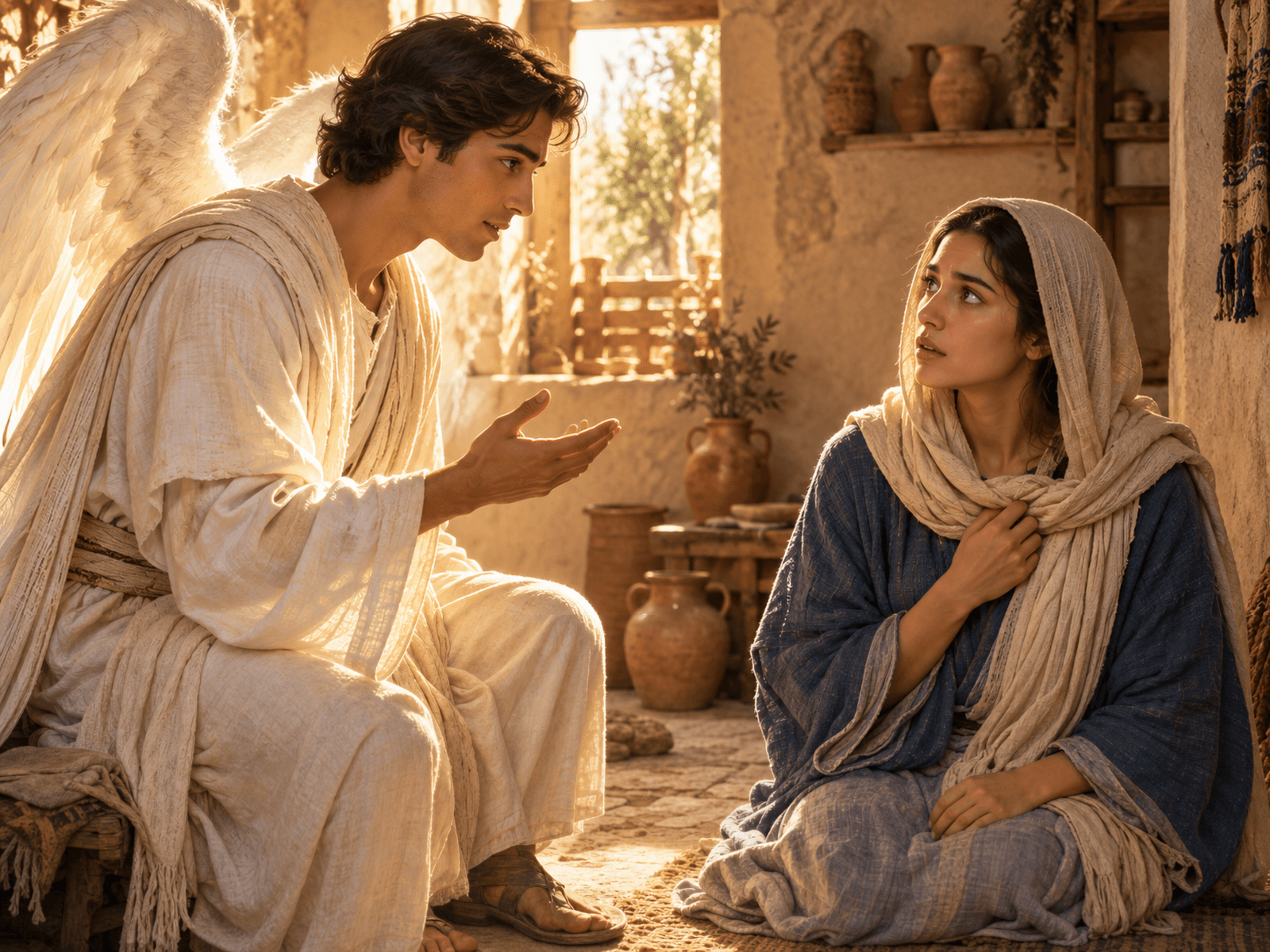
Illustrated scene from Jesus's story: An Angel Visits Mary (Luke 1:26–38)
Meet the people of the Bible
Follow their lives in order, with illustrated scenes and Bible passages that tell their stories.
 Jesus

Photo: Gary Todd (Gary Lee Todd, Ph.D.), via Wikimedia Commons. License: CC0 1.0 Universal Public Domain Dedication. Source. Location: Southern end of the Temple Mount, Jerusalem Old City. Resized for the web.
Explore the places of the Bible
See where biblical events happened, why each place matters, and what archaeology helps us understand.
Jerusalem
David's capital, the city of the temple, and the place where Jesus died and rose again.
Get full access with one subscription
Explore the people and places of the Bible. Read summaries of every book, with images and clear explanations covering every chapter. Access all these features and our Bible study tools with one subscription.
See PlansAsk AI about Matthew 21:35
Ask a question about this verse and get a clear answer, with Bible references you can read for yourself.
Every Bible book, explained chapter by chapter
Explore summaries of every book of the Bible, with images and easy-to-understand explanations covering every chapter.
Keep studying Matthew 21:35
Related Bible verses
Key themes
Related topics
At a Glance — the Book of Matthew
- Author
- Matthew the apostle
- Written
- Around AD 60-70
- Genre
- Gospel
- Original Audience
- Jewish Christians
Frequently Asked Questions
Quick, clear answers about this verse
What does Matthew 21:35 mean?
Matthew 21:35 describes a parable where farmers violently reject the landowner's servants, symbolizing the rejection of God's messengers. This reflects the historical treatment of prophets and illustrates the consequences of ignoring divine authority.
What is the significance of the farmers' actions in Matthew 21:35?
The farmers' actions in Matthew 21:35 represent the refusal to acknowledge God's rightful claim over His creation. Their violence against the servants symbolizes the lengths people may go to maintain power and control, ultimately leading to judgment.
How does Matthew 21:35 relate to the treatment of prophets?
Matthew 21:35 highlights the historical pattern of violence against God's messengers, reflecting how prophets were often rejected and mistreated. This verse serves as a reminder of the serious consequences of ignoring divine guidance.
What themes are present in Matthew 21:35?
Key themes in Matthew 21:35 include the rejection of authority, violence against messengers, the consequences of sin, and divine judgment. It also emphasizes God's persistent outreach despite human rebellion.
Daily Verse — straight to your inbox
A verse and a 2-sentence plain-English explanation, every morning. Free. Unsubscribe anytime.