New Testament
Matthew 26:11
Read the Bible in clear, modern English—easy to understand, faithful to the meaning, and written for everyday readers.
The poor will always be among you, but you won't always have me.
Compare translations
For ye have the poor always with you; but me ye have not always.
What Matthew 26:11 means
Plain-English insight for readers
In this verse, Jesus acknowledges the ongoing presence of the poor in society, indicating that poverty is a persistent issue. He contrasts this with His own temporary presence on Earth, emphasizing the importance of recognizing and valuing the moments we have with Him. This statement serves as a reminder that while helping the poor is crucial, there are times when we must prioritize our relationship with God. Jesus is not dismissing the needs of the poor; rather, He is highlighting the urgency of His mission and the significance of His impending sacrifice. The verse encourages believers to focus on spiritual matters and the importance of their relationship with Christ, especially as He prepares for His crucifixion. It calls for a balance between social responsibility and spiritual devotion, reminding us that while we can always serve the needy, our time with Jesus is limited and should be cherished.
How to apply Matthew 26:11 to your life
This verse encourages us to prioritize our relationship with God while also being mindful of the needs of those around us. We should strive to serve the poor, but not at the expense of our spiritual growth. Make time for prayer and reflection, recognizing the importance of both aspects in our lives.
Curated for this public verse page. Matthew Summary
Learn the Bible through its people and places
Get to know the people in Scripture through illustrated stories, and explore the places where they lived and traveled.
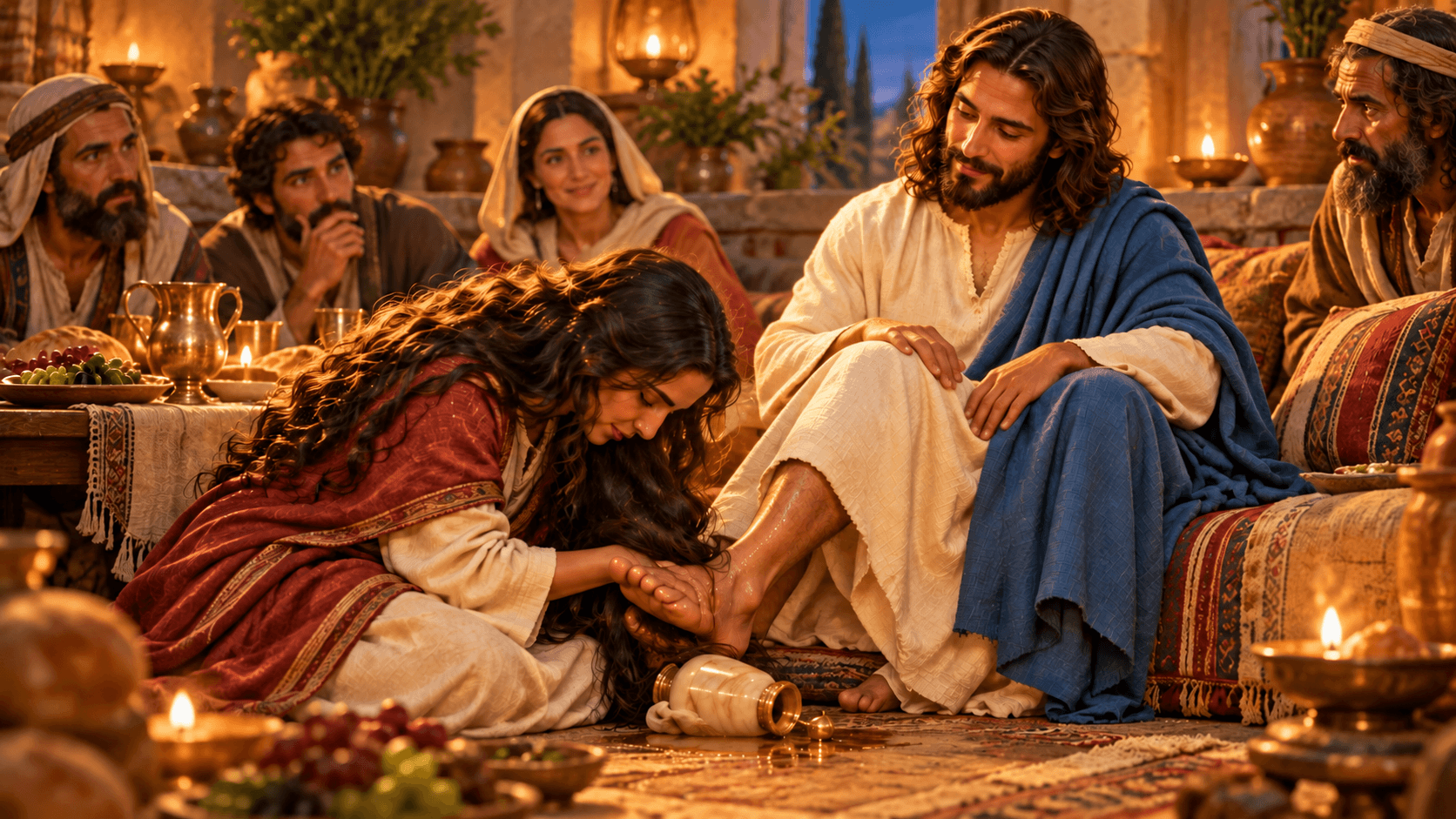
Illustrated scene from Jesus's story: Mary Anoints Jesus at Bethany (Matthew 26:6–13)
Meet the people of the Bible
Follow their lives in order, with illustrated scenes and Bible passages that tell their stories.
 Jesus
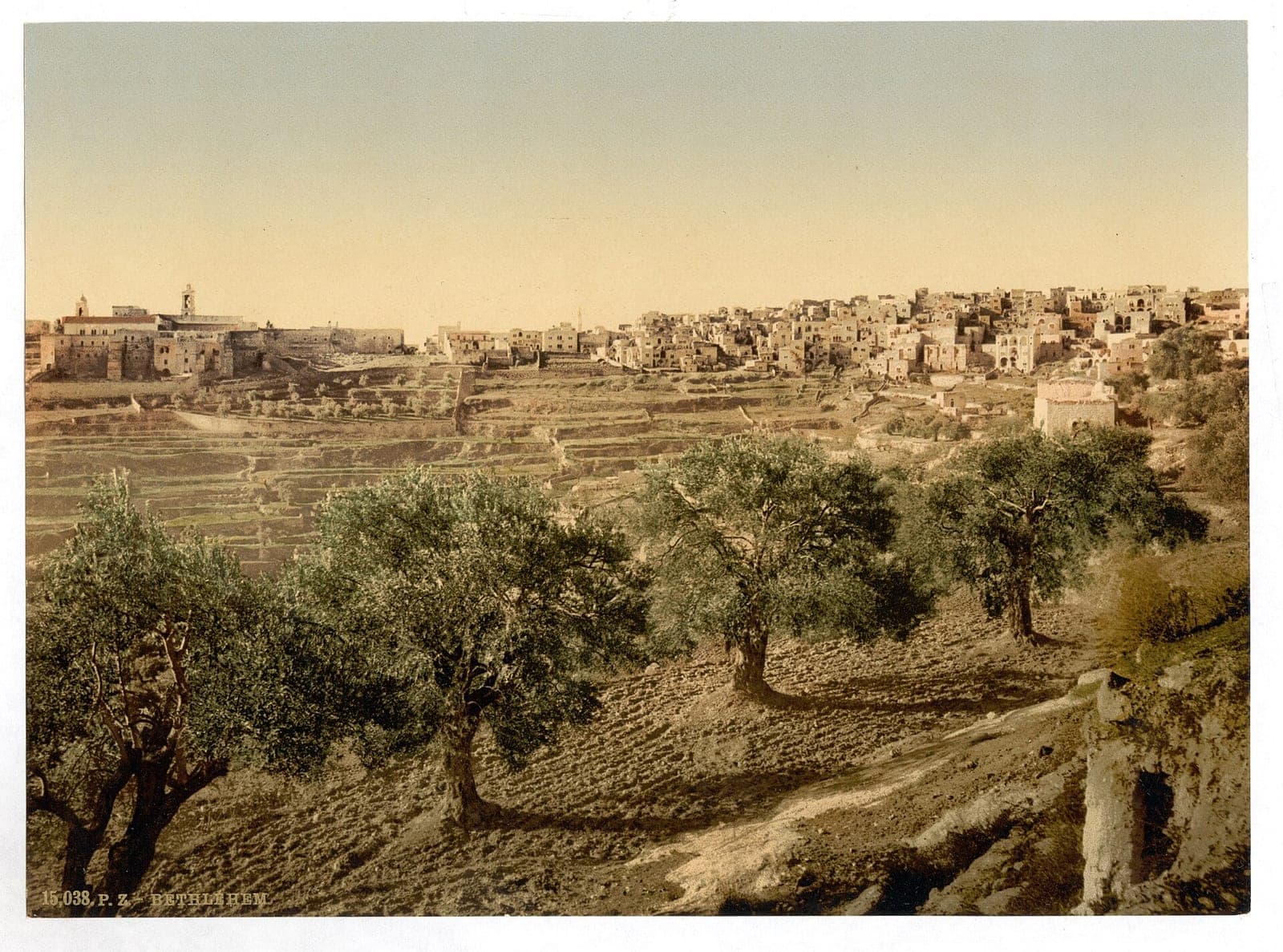
Photo: Photochrom print, Library of Congress Prints and Photographs Division (LCCN 2002724966). License: Public domain in the United States; Library of Congress states no known restrictions on publication. Source. Location: Bethlehem, West Bank; print preserved by the Library of Congress. Resized for the web.
Explore the places of the Bible
See where biblical events happened, why each place matters, and what archaeology helps us understand.
Bethlehem
David's hometown, and the town where Jesus was born.
Get full access with one subscription
Explore the people and places of the Bible. Read summaries of every book, with images and clear explanations covering every chapter. Access all these features and our Bible study tools with one subscription.
See PlansAsk AI about Matthew 26:11
Ask a question about this verse and get a clear answer, with Bible references you can read for yourself.
Every Bible book, explained chapter by chapter
Explore summaries of every book of the Bible, with images and easy-to-understand explanations covering every chapter.
Keep studying Matthew 26:11
Related Bible verses
At a Glance — the Book of Matthew
- Author
- Matthew the apostle
- Written
- Around AD 60-70
- Genre
- Gospel
- Original Audience
- Jewish Christians
Frequently Asked Questions
Quick, clear answers about this verse
What does Matthew 26:11 mean?
Matthew 26:11 means that while the poor will always be present in society, Jesus' time on Earth is limited. This highlights the importance of valuing our relationship with Him, especially as He approaches His crucifixion.
What is the significance of the phrase 'the poor will always be among you' in Matthew 26:11?
The phrase 'the poor will always be among you' signifies that poverty is a constant issue in the world. Jesus acknowledges this reality while emphasizing that His presence is temporary, urging us to prioritize our spiritual connection with Him.
How does Matthew 26:11 relate to social responsibility?
Matthew 26:11 acknowledges the need for social responsibility by recognizing the poor's presence. However, it also emphasizes the importance of spiritual priorities, suggesting that while we should help those in need, our relationship with God is paramount.
What lesson can we learn from Matthew 26:11?
The lesson from Matthew 26:11 is to balance our commitment to helping the poor with nurturing our spiritual life. It encourages us to cherish our time with Jesus and recognize the urgency of our spiritual journey.
Daily Verse — straight to your inbox
A verse and a 2-sentence plain-English explanation, every morning. Free. Unsubscribe anytime.