New Testament
Matthew 26:7
Read the Bible in clear, modern English—easy to understand, faithful to the meaning, and written for everyday readers.
a woman came to him carrying an alabaster jar filled with extremely expensive ointment. As he sat at the table, she poured it over his head.
Compare translations
There came unto him a woman having an alabaster box of very precious ointment, and poured it on his head, as he sat at meat.
What Matthew 26:7 means
Plain-English insight for readers
In this passage, a woman approaches Jesus while he is dining and brings with her an alabaster jar filled with very costly ointment. This act of pouring the ointment on Jesus' head is significant as it symbolizes deep respect and devotion. The ointment, being extremely valuable, represents the woman's willingness to give her best to Jesus. This moment highlights the theme of sacrificial love and worship, as she honors Jesus in a way that others may not understand. The act also foreshadows Jesus' impending death and burial, as anointing was a common practice for preparing bodies. The disciples, however, react negatively, seeing it as wasteful, which contrasts with the woman's pure intentions. This story teaches us about the importance of valuing our relationship with Jesus above material possessions and societal opinions.
How to apply Matthew 26:7 to your life
This passage encourages us to reflect on what we are willing to give to honor Jesus. It challenges us to prioritize our relationship with Him over material concerns and societal judgments. Consider how you can express your devotion in meaningful ways.
Curated for this public verse page. Matthew Summary
Learn the Bible through its people and places
Get to know the people in Scripture through illustrated stories, and explore the places where they lived and traveled.

Illustrated scene from Jesus's story: Mary Anoints Jesus at Bethany (Matthew 26:6–13)
Meet the people of the Bible
Follow their lives in order, with illustrated scenes and Bible passages that tell their stories.
 Jesus
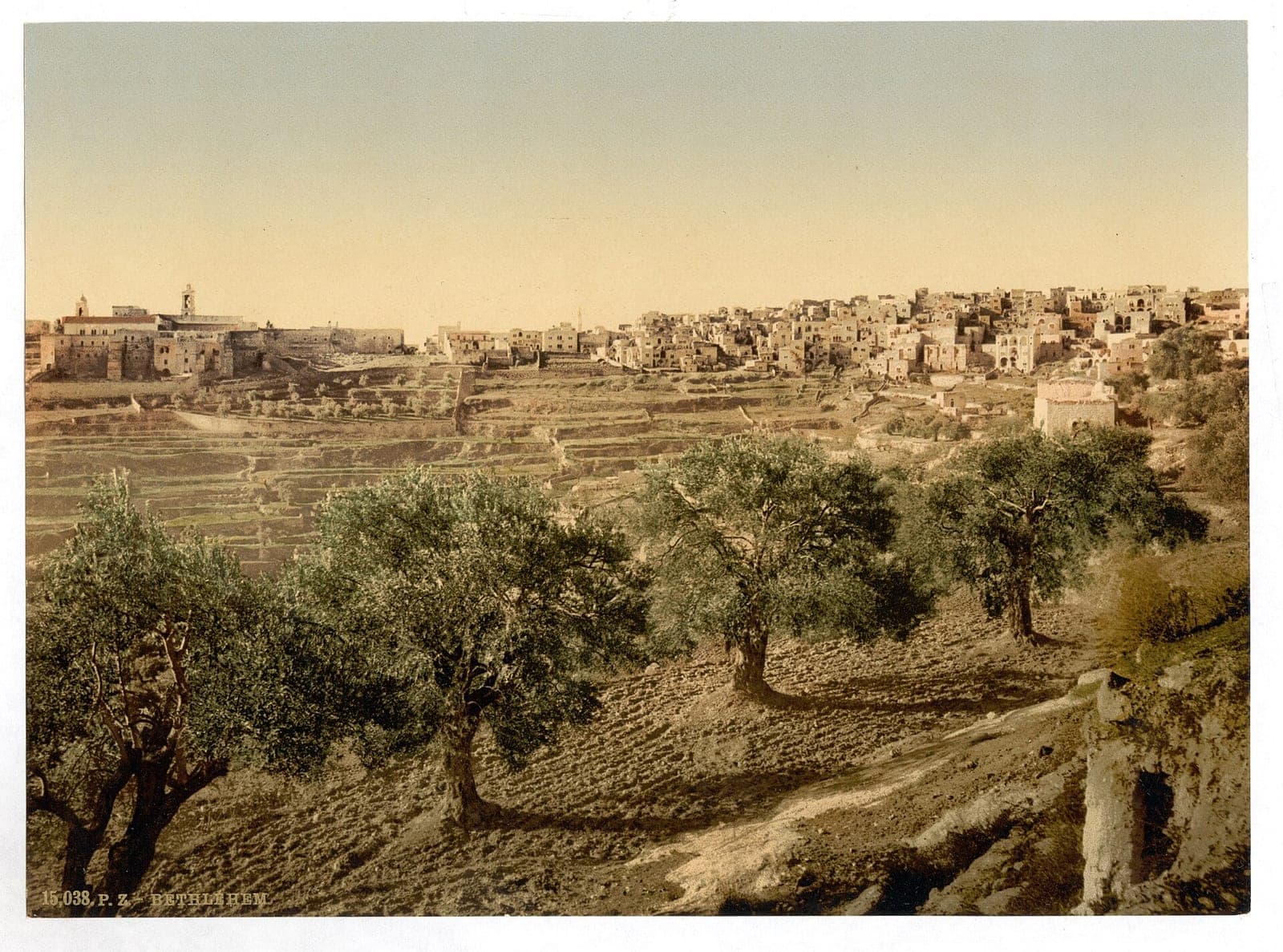
Photo: Photochrom print, Library of Congress Prints and Photographs Division (LCCN 2002724966). License: Public domain in the United States; Library of Congress states no known restrictions on publication. Source. Location: Bethlehem, West Bank; print preserved by the Library of Congress. Resized for the web.
Explore the places of the Bible
See where biblical events happened, why each place matters, and what archaeology helps us understand.
Bethlehem
David's hometown, and the town where Jesus was born.
Get full access with one subscription
Explore the people and places of the Bible. Read summaries of every book, with images and clear explanations covering every chapter. Access all these features and our Bible study tools with one subscription.
See PlansAsk AI about Matthew 26:7
Ask a question about this verse and get a clear answer, with Bible references you can read for yourself.
Every Bible book, explained chapter by chapter
Explore summaries of every book of the Bible, with images and easy-to-understand explanations covering every chapter.
Keep studying Matthew 26:7
Related Bible verses
At a Glance — the Book of Matthew
- Author
- Matthew the apostle
- Written
- Around AD 60-70
- Genre
- Gospel
- Original Audience
- Jewish Christians
Frequently Asked Questions
Quick, clear answers about this verse
What does Matthew 26:7 mean?
Matthew 26:7 describes a woman who anoints Jesus with expensive ointment, symbolizing her deep respect and devotion. This act highlights the importance of sacrificial love and foreshadows Jesus' death and burial.
What is the significance of the alabaster jar in Matthew 26:7?
The alabaster jar represents the woman's willingness to give her best to Jesus, as it contained very costly ointment. This act of anointing Jesus signifies her honor and devotion, contrasting with the disciples' negative reaction.
What does the act of pouring ointment on Jesus' head symbolize?
Pouring ointment on Jesus' head symbolizes deep respect, devotion, and worship. It also foreshadows His impending death, as anointing was a common practice for preparing bodies for burial.
Why did the disciples react negatively in Matthew 26:7?
The disciples viewed the woman's act of pouring expensive ointment on Jesus as wasteful, prioritizing material concerns over the significance of her devotion. This reaction contrasts with the woman's pure intentions and highlights differing perspectives on valuing Jesus.
Daily Verse — straight to your inbox
A verse and a 2-sentence plain-English explanation, every morning. Free. Unsubscribe anytime.