New Testament
Matthew 6:15
Read the Bible in clear, modern English—easy to understand, faithful to the meaning, and written for everyday readers.
But if you do not forgive others their trespasses, neither will your Father forgive your trespasses.
Compare translations
But if ye forgive not men their trespasses, neither will your Father forgive your trespasses.
What Matthew 6:15 means
Plain-English insight for readers
In this verse, Jesus emphasizes the importance of forgiveness in our relationships with others. He teaches that if we hold onto grudges and refuse to forgive those who have wronged us, we cannot expect God to forgive us for our own wrongdoings. This principle highlights the reciprocal nature of forgiveness; it is not just a one-way street. Forgiveness is essential for maintaining a healthy relationship with God, as it reflects our understanding of His mercy towards us. By forgiving others, we acknowledge our own need for forgiveness and demonstrate the love and grace that God extends to us. This verse serves as a reminder that our spiritual well-being is closely tied to our willingness to let go of resentment and offer grace to those who have hurt us.
How to apply Matthew 6:15 to your life
To apply this teaching, take time to reflect on any grudges you may be holding. Make a conscious effort to forgive those who have wronged you, even if it feels difficult. Remember that forgiveness is a choice that can lead to healing and peace in your heart.
Curated for this public verse page. Matthew Summary
Learn the Bible through its people and places
Get to know the people in Scripture through illustrated stories, and explore the places where they lived and traveled.
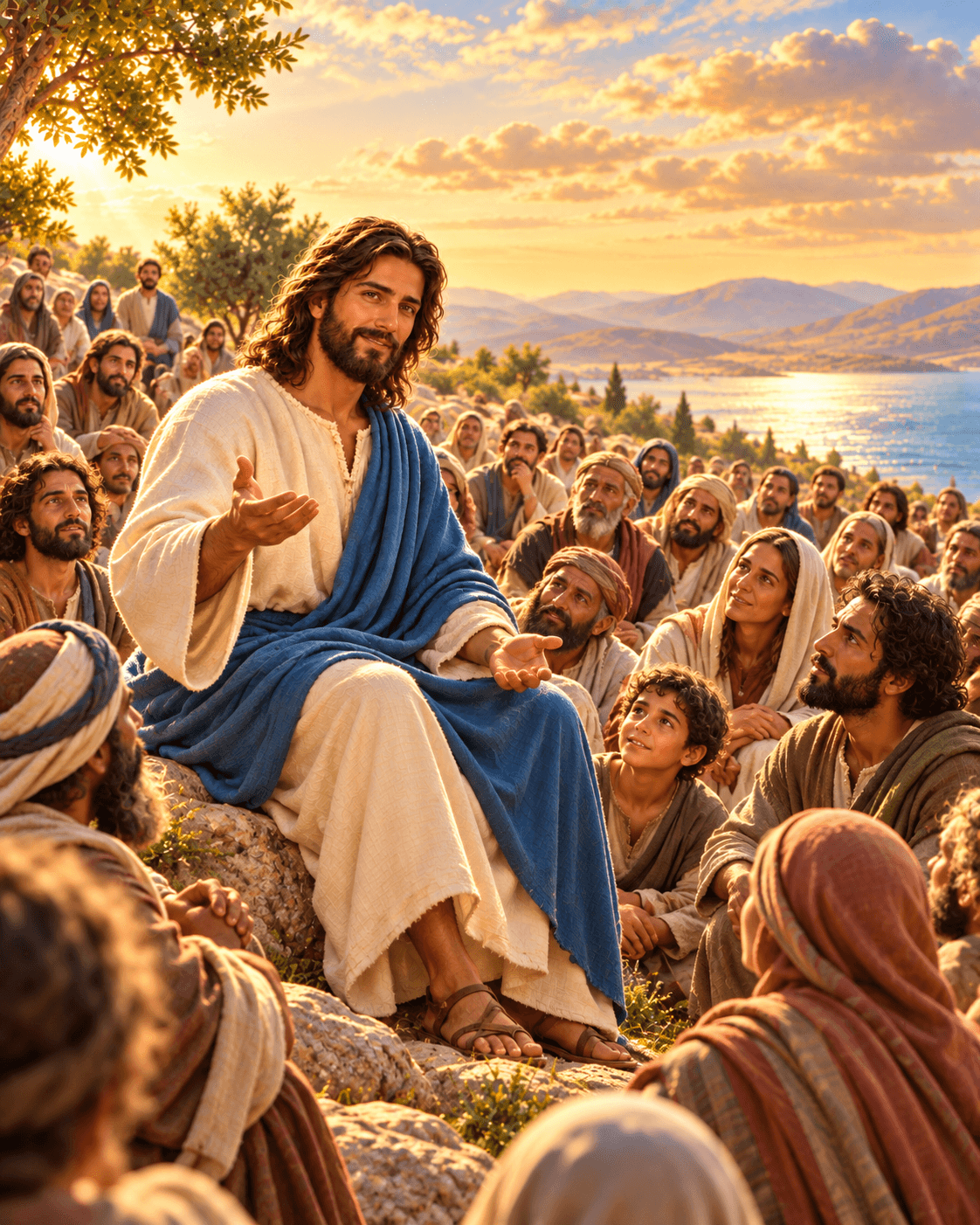
Illustrated scene from Jesus's story: The Sermon on the Mount (Matthew 5:1–7:29)
Meet the people of the Bible
Follow their lives in order, with illustrated scenes and Bible passages that tell their stories.
 Jesus

Photo: zeevveez, via Wikimedia Commons. License: CC BY 2.0. Source. Location: Capernaum, on the northern shore of the Sea of Galilee. Resized for the web.
Explore the places of the Bible
See where biblical events happened, why each place matters, and what archaeology helps us understand.
Capernaum
Jesus' home base by the Sea of Galilee, and the town where Peter lived.
Get full access with one subscription
Explore the people and places of the Bible. Read summaries of every book, with images and clear explanations covering every chapter. Access all these features and our Bible study tools with one subscription.
See PlansAsk AI about Matthew 6:15
Ask a question about this verse and get a clear answer, with Bible references you can read for yourself.
Every Bible book, explained chapter by chapter
Explore summaries of every book of the Bible, with images and easy-to-understand explanations covering every chapter.
Keep studying Matthew 6:15
Related Bible verses
Key themes
Related topics
At a Glance — the Book of Matthew
- Author
- Matthew the apostle
- Written
- Around AD 60-70
- Genre
- Gospel
- Original Audience
- Jewish Christians
Frequently Asked Questions
Quick, clear answers about this verse
What does Matthew 6:15 mean?
Matthew 6:15 teaches that if we refuse to forgive others for their wrongs, God will not forgive us for ours. This highlights the importance of forgiveness in our relationship with God and others.
What is the meaning of forgiveness in Matthew 6:15?
In Matthew 6:15, forgiveness means letting go of grudges and resentment towards those who have wronged us. It emphasizes that our willingness to forgive others is linked to our own need for God's forgiveness.
How can I apply Matthew 6:15 in my life?
To apply Matthew 6:15, identify any grudges you may be holding and actively choose to forgive those who have hurt you. This can lead to personal healing and a closer relationship with God.
Why is forgiveness important according to Matthew 6:15?
Forgiveness is important in Matthew 6:15 because it reflects our understanding of God's mercy. By forgiving others, we acknowledge our own faults and maintain a healthy spiritual relationship.
Daily Verse — straight to your inbox
A verse and a 2-sentence plain-English explanation, every morning. Free. Unsubscribe anytime.