Old Testament
Nehemiah 10:31
Read the Bible in clear, modern English—easy to understand, faithful to the meaning, and written for everyday readers.
and if the peoples of the land bring wares or any food on the Sabbath day to sell, that we would not buy it from them on the Sabbath or on the holy day; and that we would leave the seventh year, and the exaction of every debt.
Compare translations
And if the people of the land bring ware or any victuals on the sabbath day to sell, that we would not buy it of them on the sabbath, or on the holy day: and that we would leave the seventh year, and the exaction of every debt.
What Nehemiah 10:31 means
Plain-English insight for readers
In Nehemiah 10:31, the people of Israel commit to observing the Sabbath, a day of rest, by refusing to buy goods from outsiders who come to sell on that day. This reflects their dedication to honoring God's commandments and maintaining their cultural identity. Additionally, they agree to let the land rest every seventh year, which is a practice known as the sabbatical year, and to forgive debts during this time. This commitment emphasizes the importance of rest, both for people and the land, and shows a desire to uphold justice and mercy in their community. By not engaging in trade on the Sabbath, they aim to focus on worship and family, reinforcing their relationship with God and each other. This verse highlights the significance of setting aside time for spiritual reflection and the ethical treatment of others, especially in economic matters.
How to apply Nehemiah 10:31 to your life
We can apply this verse by prioritizing rest and spiritual reflection in our own lives. Setting aside time for worship and family, and being mindful of our economic choices, can help us honor our commitments to God and foster a just community.
Curated for this public verse page. Nehemiah Summary
Explore more of the Bible
Learn the Bible through its people and places
Get to know the people in Scripture through illustrated stories, and explore the places where they lived and traveled.

Illustrated scene from Daniel's story: Faithful at the King's Table (Daniel 1:1–21)
Meet the people of the Bible
Follow their lives in order, with illustrated scenes and Bible passages that tell their stories.
 Daniel
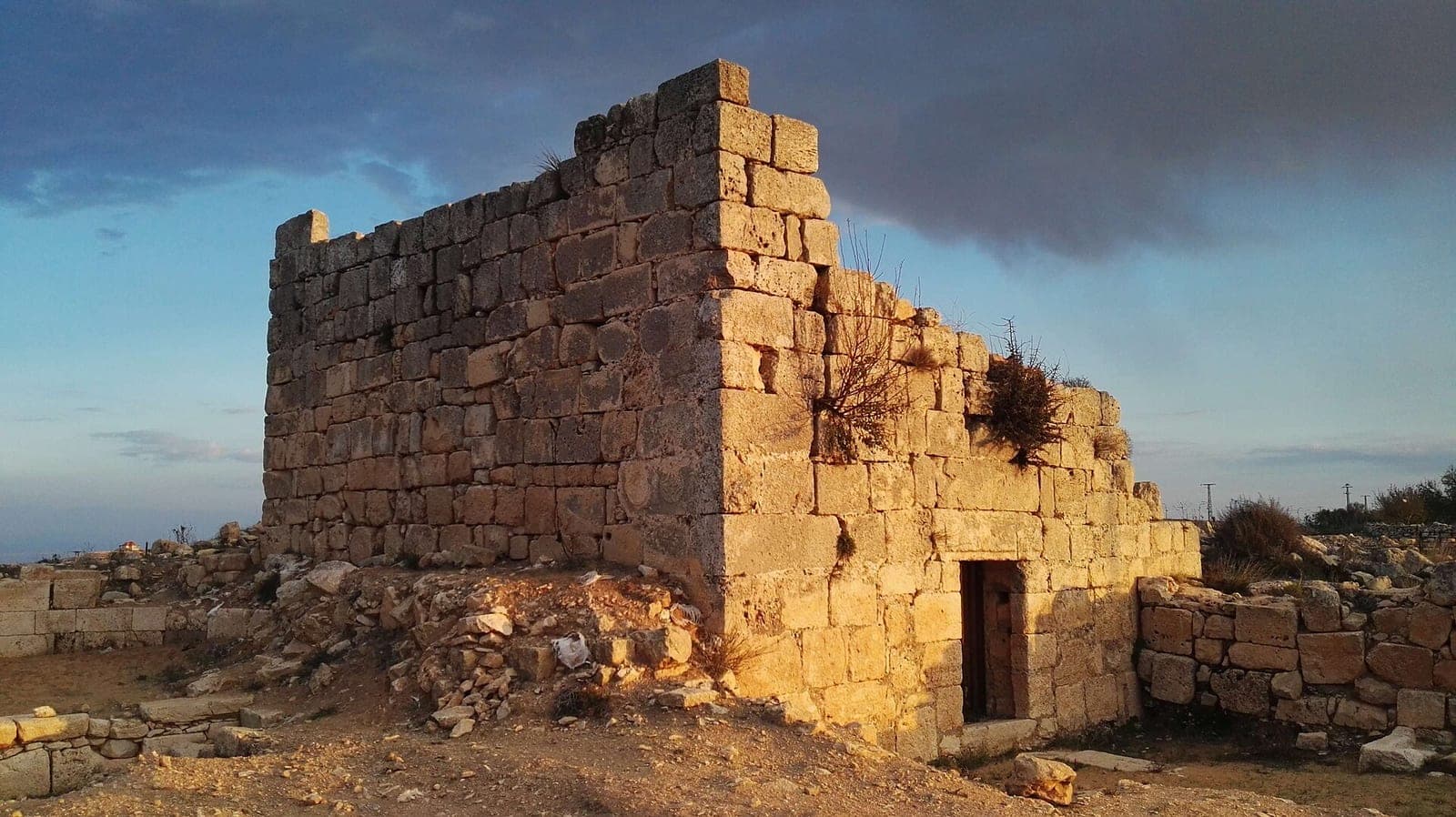
Photo: Bukvoed, via Wikimedia Commons. License: CC BY 4.0. Source. Location: Burj Beitin, Beitin, Ramallah and al-Bireh Governorate, West Bank. Resized for the web.
Explore the places of the Bible
See where biblical events happened, why each place matters, and what archaeology helps us understand.
Bethel
Where Jacob dreamed of a stairway to heaven and met God.
Get full access with one subscription
Explore the people and places of the Bible. Read summaries of every book, with images and clear explanations covering every chapter. Access all these features and our Bible study tools with one subscription.
See PlansAsk AI about Nehemiah 10:31
Ask a question about this verse and get a clear answer, with Bible references you can read for yourself.
Every Bible book, explained chapter by chapter
Explore summaries of every book of the Bible, with images and easy-to-understand explanations covering every chapter.
Keep studying Nehemiah 10:31
Related Bible verses
Key themes
Related topics
At a Glance — the Book of Nehemiah
- Author
- Nehemiah, with Ezra
- Written
- Around 430 BC
- Genre
- Historical narrative
- Original Audience
- The post-exilic Jewish community
Frequently Asked Questions
Quick, clear answers about this verse
What does Nehemiah 10:31 mean?
Nehemiah 10:31 means that the Israelites committed to not buying goods from outsiders on the Sabbath, emphasizing their dedication to rest and worship. They also agreed to let the land rest every seventh year and forgive debts, highlighting their commitment to justice and mercy.
What is the significance of the Sabbath in Nehemiah 10:31?
The Sabbath in Nehemiah 10:31 signifies a day of rest and spiritual reflection for the Israelites. By refusing to engage in trade on this day, they aimed to honor God's commandments and strengthen their community bonds.
What does 'the seventh year' refer to in Nehemiah 10:31?
In Nehemiah 10:31, 'the seventh year' refers to the sabbatical year, a time when the land was to rest and debts were to be forgiven. This practice was intended to promote sustainability and fairness within the community.
How can we apply Nehemiah 10:31 today?
We can apply Nehemiah 10:31 today by setting aside time for rest and spiritual activities, avoiding work or commerce on designated days. Additionally, being mindful of our economic choices and practicing forgiveness can help foster a just community.
Daily Verse — straight to your inbox
A verse and a 2-sentence plain-English explanation, every morning. Free. Unsubscribe anytime.