Old Testament
Nehemiah 12:39
Read the Bible in clear, modern English—easy to understand, faithful to the meaning, and written for everyday readers.
and from above the Gate of Ephraim, the Old Gate, the Fish Gate, the Tower of Hananeel, and the Tower of Meah, even to the Sheep Gate. And they stood still at the Prison Gate.
Compare translations
And from above the gate of Ephraim, and above the old gate, and above the fish gate, and the tower of Hananeel, and the tower of Meah, even unto the sheep gate: and they stood still in the prison gate.
What Nehemiah 12:39 means
Plain-English insight for readers
In Nehemiah 12:39, the verse describes a procession of people who are celebrating the dedication of the wall of Jerusalem. They are moving from various significant gates and towers, including the Gate of Ephraim, the Old Gate, and the Fish Gate, culminating at the Sheep Gate. The mention of these gates highlights the strategic and historical importance of Jerusalem's defenses. The procession stops at the Prison Gate, which may symbolize a moment of reflection or a pause in their celebration. This gathering emphasizes the unity and commitment of the people to their city and their faith. The gates represent not just physical entrances but also the spiritual and communal identity of the Jewish people as they restore their homeland after exile. This moment is a powerful reminder of the importance of community and shared purpose in rebuilding and dedicating oneself to God’s work.
How to apply Nehemiah 12:39 to your life
This verse encourages us to recognize the importance of community in our spiritual journeys. Just as the people of Jerusalem came together to celebrate their restoration, we too should gather with others to support and uplift one another in our faith and endeavors.
Curated for this public verse page. Nehemiah Summary
Explore more of the Bible
Learn the Bible through its people and places
Get to know the people in Scripture through illustrated stories, and explore the places where they lived and traveled.

Illustrated scene from Moses's story: Israel Enslaved in Egypt (Exodus 1:8–22)
Meet the people of the Bible
Follow their lives in order, with illustrated scenes and Bible passages that tell their stories.
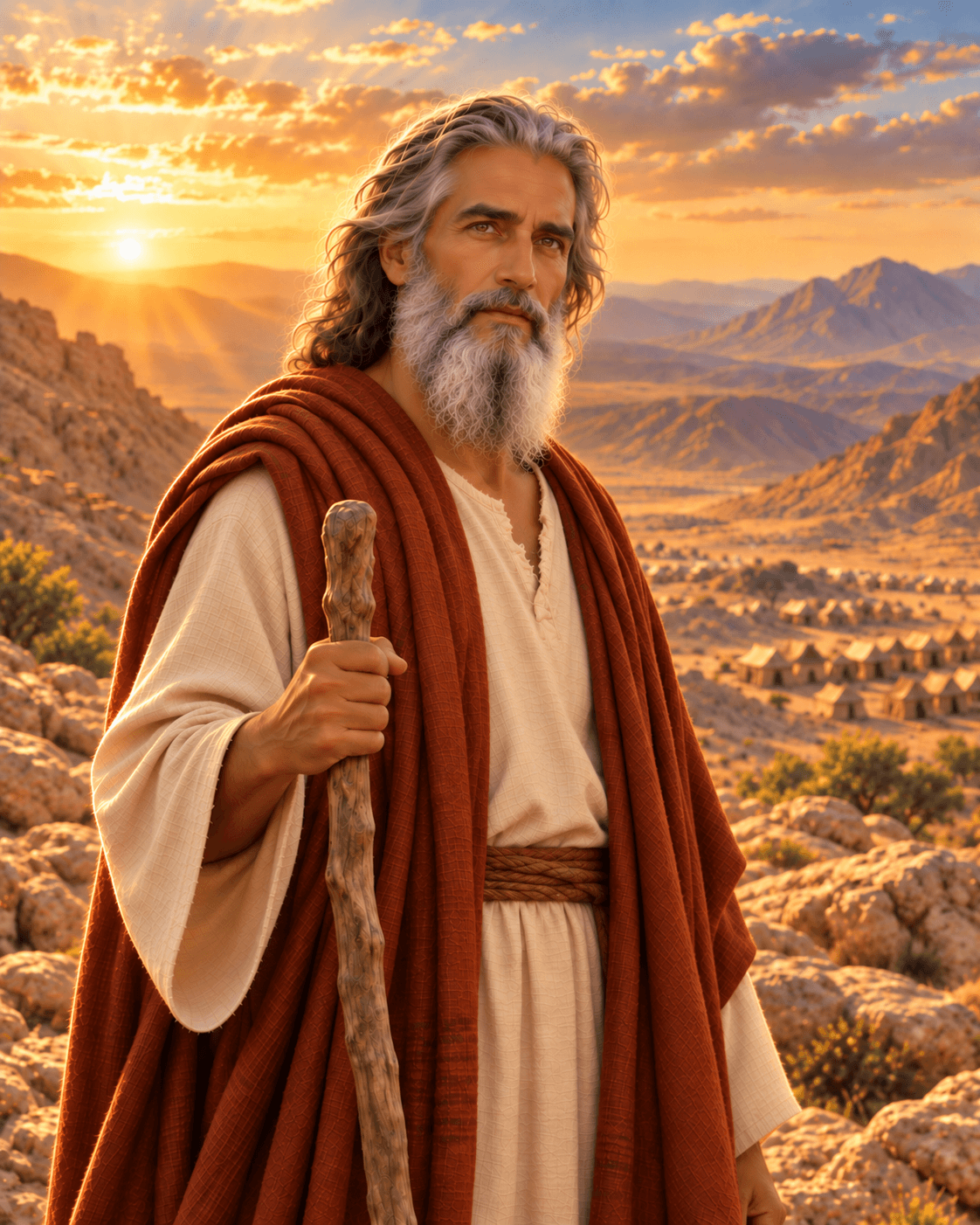 Moses
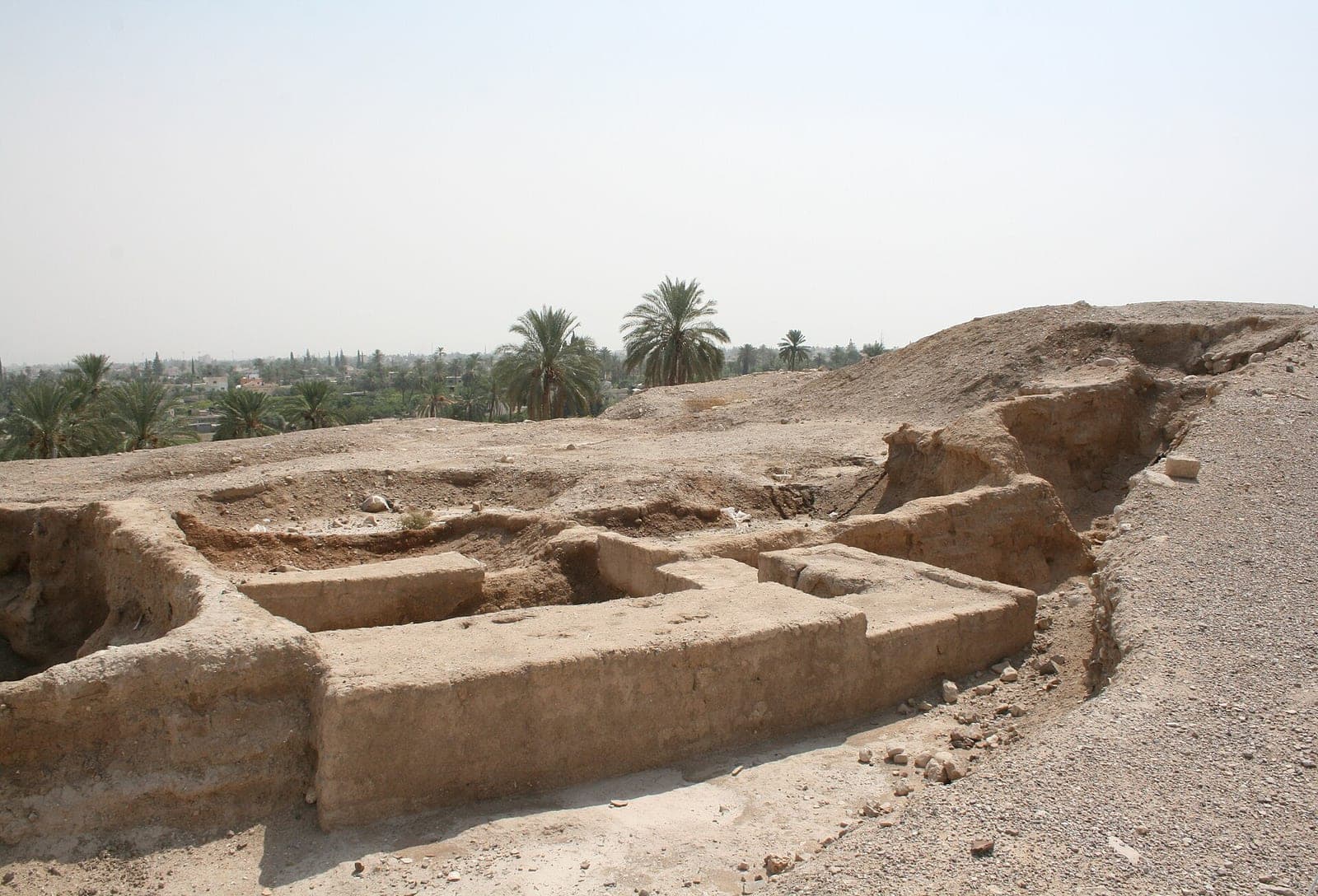
Photo: Diego Delso, via Wikimedia Commons. License: CC BY-SA 3.0. Source. Location: Tell es-Sultan, Jericho, West Bank. Resized for the web.
Explore the places of the Bible
See where biblical events happened, why each place matters, and what archaeology helps us understand.
Jericho
The city of palm trees, whose walls fell in Joshua's day.
Get full access with one subscription
Explore the people and places of the Bible. Read summaries of every book, with images and clear explanations covering every chapter. Access all these features and our Bible study tools with one subscription.
See PlansAsk AI about Nehemiah 12:39
Ask a question about this verse and get a clear answer, with Bible references you can read for yourself.
Every Bible book, explained chapter by chapter
Explore summaries of every book of the Bible, with images and easy-to-understand explanations covering every chapter.
Keep studying Nehemiah 12:39
Related Bible verses
Key themes
Related topics
At a Glance — the Book of Nehemiah
- Author
- Nehemiah, with Ezra
- Written
- Around 430 BC
- Genre
- Historical narrative
- Original Audience
- The post-exilic Jewish community
Frequently Asked Questions
Quick, clear answers about this verse
What is the significance of the gates mentioned in Nehemiah 12:39?
The gates mentioned in Nehemiah 12:39, such as the Gate of Ephraim and the Fish Gate, symbolize the historical and strategic importance of Jerusalem's defenses. Each gate represents a part of the city's identity and heritage, reflecting the community's resilience and commitment to restoring their homeland after exile.
Why did the procession stop at the Prison Gate?
The procession stopped at the Prison Gate, which may symbolize a moment of reflection during their celebration. This pause could represent acknowledgment of past struggles and the importance of freedom, both physically and spiritually, as the people dedicated themselves to rebuilding their community and faith.
How does Nehemiah 12:39 relate to community and faith?
Nehemiah 12:39 highlights the unity of the people as they come together to celebrate the dedication of the wall. This gathering emphasizes the importance of community in spiritual journeys, reminding us that collective support and shared purpose are vital in our faith and endeavors, especially during times of restoration.
What can we learn about celebration from Nehemiah 12:39?
The celebration described in Nehemiah 12:39 teaches us the value of coming together to acknowledge achievements and milestones in our lives. It encourages us to celebrate not just individual successes but also communal victories, fostering a sense of belonging and shared joy in our spiritual journeys.
Daily Verse — straight to your inbox
A verse and a 2-sentence plain-English explanation, every morning. Free. Unsubscribe anytime.