Nehemiah 9:32
"Now therefore, our God, the great, mighty, and awesome God, who keeps his covenant and shows mercy, do not let all this trouble seem small to you — the trouble that has come upon us, on our kings, our princes, our priests, our prophets, our fathers, and all your people, since the time of the kings of Assyria until this day."
What Nehemiah 9:32 means
Plain-English insight for readers
In this verse, the people of Israel are acknowledging God's greatness and power. They recognize Him as a God who is not only mighty but also compassionate, keeping His promises and showing mercy. They are bringing their troubles before God, asking Him to see the weight of their suffering. This suffering has affected everyone in their community, from leaders to common people, and has persisted since the time of the Assyrian kings. By addressing God in this way, they are expressing their dependence on Him and their hope for His intervention in their dire situation. They want God to understand the seriousness of their plight and to act on their behalf, reinforcing their faith in His ability to help them through their struggles.
In the King James Version
Now therefore, our God, the great, the mighty, and the terrible God, who keepest covenant and mercy, let not all the trouble seem little before thee, that hath come upon us, on our kings, on our princes, and on our priests, and on our prophets, and on our fathers, and on all thy people, since the time of the kings of Assyria unto this day.
Ask about this verse
Ask anything about Nehemiah 9:32 and get a clear answer from Scripture.
Have a question about this verse? Explore it with ClearBible.
Premium answers your questions about any verse from Scripture itself, shows the verses it rests on, and opens Clear on every passage. You also get all 66 book summaries.
7 days free, then $99/year. Card required. Cancel anytime.
Explore more of the Bible
Learn the Bible through its people and places
Get to know the people in Scripture through illustrated stories, and explore the places where they lived and traveled.
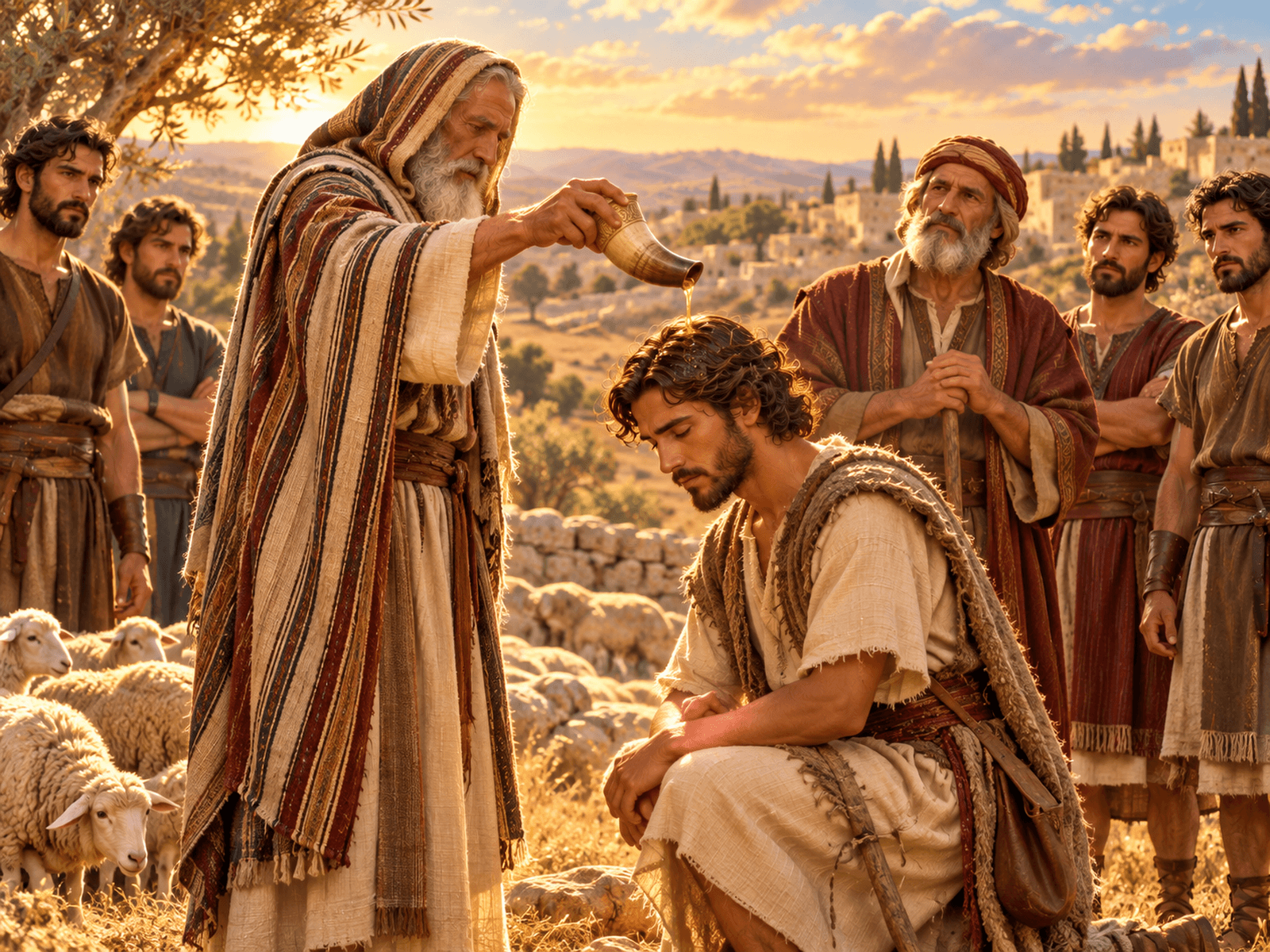
Illustrated scene from David's story: Samuel Anoints David (1 Samuel 16:1–13)
Meet the people of the Bible
Follow their lives in order, with illustrated scenes and Bible passages that tell their stories.
 David
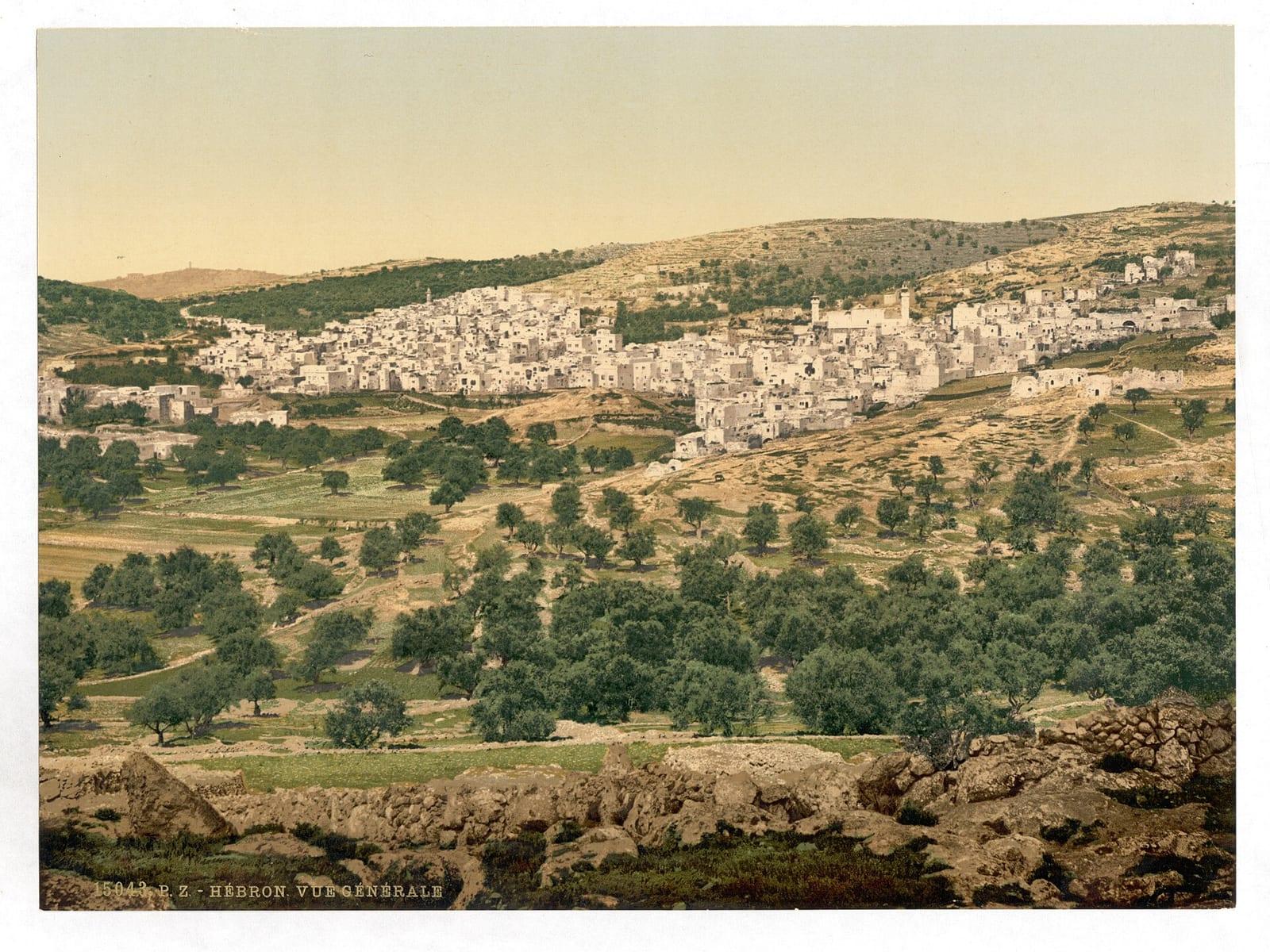
Photo: Photochrom print, Library of Congress Prints and Photographs Division (LCCN 2002724987). License: Public domain in the United States; Library of Congress states no known restrictions on publication. Source. Location: Hebron, West Bank; print preserved by the Library of Congress. Resized for the web.
Explore the places of the Bible
See where biblical events happened, why each place matters, and what archaeology helps us understand.
Hebron
Where Abraham lived and buried Sarah, and where David was first made king.
Every Bible book, explained chapter by chapter
Explore summaries of every book of the Bible, with images and easy-to-understand explanations covering every chapter.
Keep studying Nehemiah 9:32
Related Bible verses
Key themes
Related topics
At a Glance — the Book of Nehemiah
- Author
- Nehemiah, with Ezra
- Written
- Around 430 BC
- Genre
- Historical narrative
- Original Audience
- The post-exilic Jewish community
Frequently Asked Questions
Quick, clear answers about this verse
What does Nehemiah 9:32 reveal about God's character?
Nehemiah 9:32 highlights God's greatness, might, and His role as a keeper of covenant and mercy. It emphasizes that God is not only powerful but also compassionate, willing to listen to the cries of His people. This verse reassures believers that God is aware of their struggles and cares deeply about their suffering.
What historical context is important for understanding Nehemiah 9:32?
Nehemiah 9:32 is set during a time when the Israelites were returning from Babylonian exile and facing significant challenges. The reference to the kings of Assyria indicates a long history of suffering and oppression. Understanding this context helps to appreciate the depth of the Israelites' plea for God's intervention and their recognition of His faithfulness throughout their history.
Why do the Israelites mention their leaders in Nehemiah 9:32?
The mention of kings, princes, priests, prophets, and fathers in Nehemiah 9:32 underscores that the suffering experienced is communal and affects all levels of society. It reflects the collective nature of their struggles and the need for God's mercy and intervention for everyone, not just individuals. This highlights the importance of community in seeking God's help.
What does 'keeping covenant and mercy' mean in Nehemiah 9:32?
'Keeping covenant and mercy' refers to God's faithfulness to His promises and His compassionate nature. In the context of the verse, it reassures the Israelites that despite their hardships, God remains committed to His covenant with them, showing mercy and grace. This encourages believers to trust in God's unchanging nature and His willingness to help.
Daily Verse — straight to your inbox
A verse and a 2-sentence plain-English explanation, every morning. Free. Unsubscribe anytime.