Old Testament
Numbers 11:28
Read the Bible in clear, modern English—easy to understand, faithful to the meaning, and written for everyday readers.
Joshua son of Nun, who had served Moses since he was young, spoke up: "My lord Moses, stop them!"
Compare translations
And Joshua the son of Nun, the servant of Moses, one of his young men, answered and said, My lord Moses, forbid them.
What Numbers 11:28 means
Plain-English insight for readers
In this verse, Joshua, who has been a loyal assistant to Moses since his youth, expresses concern about others prophesying in the camp. He refers to Moses as 'my lord' and urges him to stop these individuals. This shows Joshua's protective nature towards Moses' leadership and the authority he holds. Joshua's reaction reflects a desire to maintain order and respect for the established leadership. It also highlights the importance of recognizing and respecting the roles within a community, especially in spiritual matters. Joshua's loyalty and commitment to Moses are evident, as he feels that the actions of these others could undermine Moses' authority. This moment foreshadows Joshua's future leadership role, as he learns the importance of guidance and discernment in leadership. The verse illustrates the dynamics of leadership and the challenges that come with it, especially when new voices emerge within a community.
How to apply Numbers 11:28 to your life
This verse encourages us to respect established leadership and to approach changes within our communities thoughtfully. It reminds us to communicate our concerns respectfully and to support those in authority, fostering unity and order in our groups.
Curated for this public verse page. Numbers Summary
Learn the Bible through its people and places
Get to know the people in Scripture through illustrated stories, and explore the places where they lived and traveled.
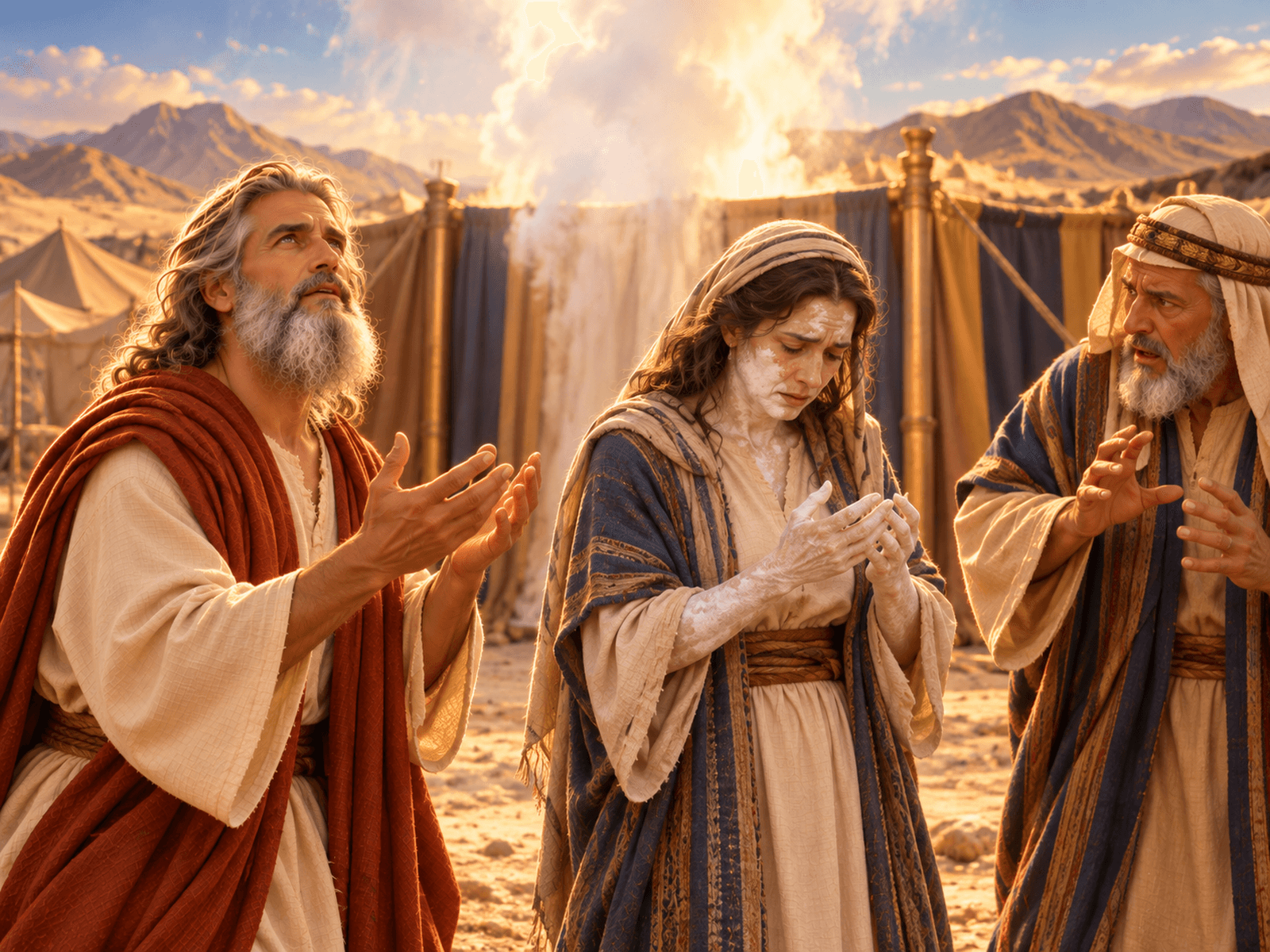
Illustrated scene from Moses's story: Seventy Elders and the Quail (Numbers 11:1–35)
Meet the people of the Bible
Follow their lives in order, with illustrated scenes and Bible passages that tell their stories.
 Moses

Photo: Zeev Stein / PikiWiki Israel, via Wikimedia Commons. License: CC BY 2.5. Source. Location: Tel Beer Sheva National Park, Israel. Resized for the web.
Explore the places of the Bible
See where biblical events happened, why each place matters, and what archaeology helps us understand.
Beersheba
Where Abraham and Isaac dug wells and worshiped the LORD, at the southern edge of the land.
Get full access with one subscription
Explore the people and places of the Bible. Read summaries of every book, with images and clear explanations covering every chapter. Access all these features and our Bible study tools with one subscription.
See PlansAsk AI about Numbers 11:28
Ask a question about this verse and get a clear answer, with Bible references you can read for yourself.
Every Bible book, explained chapter by chapter
Explore summaries of every book of the Bible, with images and easy-to-understand explanations covering every chapter.
Keep studying Numbers 11:28
Related Bible verses
Key themes
Related topics
At a Glance — the Book of Numbers
- Author
- Traditionally attributed to Moses
- Written
- Around 1400 BC
- Genre
- Law (Pentateuch)
- Original Audience
- The Israelites in the wilderness
Frequently Asked Questions
Quick, clear answers about this verse
What does Numbers 11:28 mean?
In Numbers 11:28, Joshua expresses concern about others prophesying in the camp, urging Moses to stop them. This reflects Joshua's loyalty to Moses and his desire to maintain order and respect for established leadership.
What is the significance of Joshua's reaction in Numbers 11:28?
Joshua's reaction highlights his protective nature towards Moses' authority and the importance of recognizing leadership roles within a community. It shows his commitment to supporting Moses and maintaining unity.
What themes are present in Numbers 11:28?
The themes in Numbers 11:28 include leadership, loyalty, authority, community dynamics, and respect for elders. These themes illustrate the challenges of leadership and the need for discernment in guiding a community.
What does Joshua calling Moses 'my lord' indicate in Numbers 11:28?
By calling Moses 'my lord,' Joshua demonstrates his respect and submission to Moses' authority. This title signifies the hierarchical relationship and the importance of honoring leaders within a community.
Daily Verse — straight to your inbox
A verse and a 2-sentence plain-English explanation, every morning. Free. Unsubscribe anytime.