Old Testament
Numbers 21:29
Read the Bible in clear, modern English—easy to understand, faithful to the meaning, and written for everyday readers.
Woe to you, Moab! You are undone, people of Chemosh: he has given his sons who escaped and his daughters into captivity to Sihon, king of the Amorites.
Compare translations
Woe to thee, Moab! thou art undone, O people of Chemosh: he hath given his sons that escaped, and his daughters, into captivity unto Sihon king of the Amorites.
What Numbers 21:29 means
Plain-English insight for readers
In this verse, the prophet delivers a message of doom to Moab, a nation that worshipped the god Chemosh. The term "woe" signifies impending disaster or judgment. The verse highlights that Chemosh has failed to protect his people, as their sons and daughters have been taken captive by Sihon, the king of the Amorites. This reflects the consequences of idolatry and the vulnerability of those who turn away from the true God. The capture of Moab's children symbolizes the loss of their future and strength, indicating that reliance on false gods leads to ruin. The verse serves as a warning to other nations about the fate that befalls those who oppose God's people and trust in idols instead of the Lord. It emphasizes the importance of faithfulness to God and the dangers of turning to other deities for protection and guidance.
How to apply Numbers 21:29 to your life
This verse reminds us of the importance of placing our trust in God rather than in worldly things or false idols. It encourages us to evaluate what we rely on for strength and security, ensuring that our faith is firmly rooted in the Lord.
Curated for this public verse page. Numbers Summary
Learn the Bible through its people and places
Get to know the people in Scripture through illustrated stories, and explore the places where they lived and traveled.
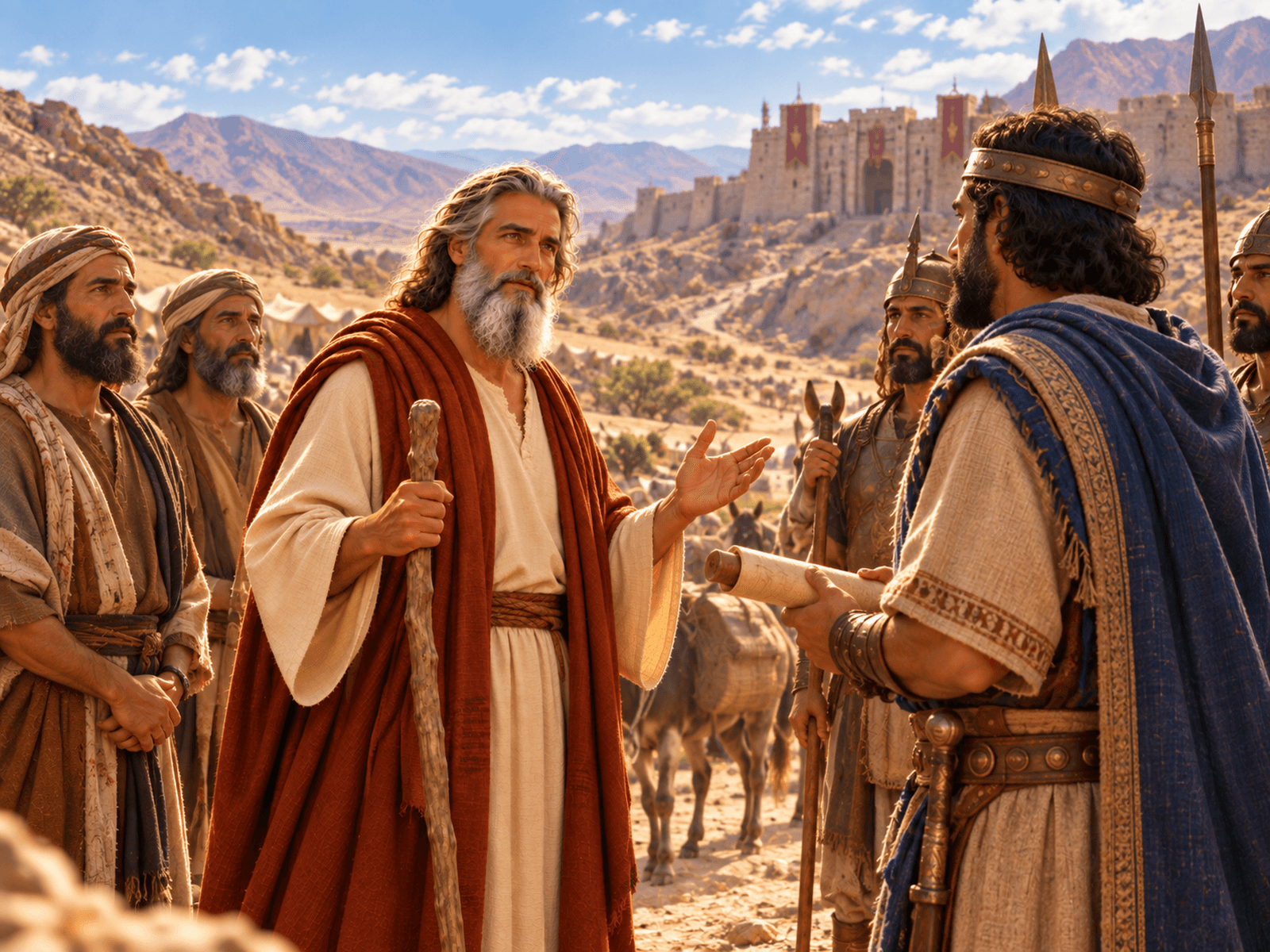
Illustrated scene from Moses's story: Victories over Sihon and Og (Numbers 21:21–35)
Meet the people of the Bible
Follow their lives in order, with illustrated scenes and Bible passages that tell their stories.
 Moses

Photo: Photochrom print, Library of Congress Prints and Photographs Division (LCCN 2002724987). License: Public domain in the United States; Library of Congress states no known restrictions on publication. Source. Location: Hebron, West Bank; print preserved by the Library of Congress. Resized for the web.
Explore the places of the Bible
See where biblical events happened, why each place matters, and what archaeology helps us understand.
Hebron
Where Abraham lived and buried Sarah, and where David was first made king.
Get full access with one subscription
Explore the people and places of the Bible. Read summaries of every book, with images and clear explanations covering every chapter. Access all these features and our Bible study tools with one subscription.
See PlansAsk AI about Numbers 21:29
Ask a question about this verse and get a clear answer, with Bible references you can read for yourself.
Every Bible book, explained chapter by chapter
Explore summaries of every book of the Bible, with images and easy-to-understand explanations covering every chapter.
Keep studying Numbers 21:29
Related Bible verses
At a Glance — the Book of Numbers
- Author
- Traditionally attributed to Moses
- Written
- Around 1400 BC
- Genre
- Law (Pentateuch)
- Original Audience
- The Israelites in the wilderness
Frequently Asked Questions
Quick, clear answers about this verse
What does Numbers 21:29 mean?
Numbers 21:29 conveys a message of doom to Moab, indicating that their god Chemosh has failed to protect them. The verse highlights the consequences of idolatry, as Moab's children have been taken captive by Sihon, king of the Amorites, symbolizing the loss of their future and strength.
What is the significance of Chemosh in Numbers 21:29?
Chemosh is the god worshipped by the Moabites, and in Numbers 21:29, his inability to protect his people from captivity illustrates the futility of relying on false gods. The verse serves as a warning about the dangers of idolatry and the consequences of turning away from the true God.
What does 'woe' mean in Numbers 21:29?
In Numbers 21:29, 'woe' signifies impending disaster or judgment. It indicates that Moab is facing severe consequences due to their idolatry and failure to trust in God.
How does Numbers 21:29 relate to idolatry?
Numbers 21:29 illustrates the dangers of idolatry by showing how Moab's reliance on Chemosh led to their downfall. The verse serves as a reminder that turning to false gods can result in dire consequences, including loss and captivity.
Daily Verse — straight to your inbox
A verse and a 2-sentence plain-English explanation, every morning. Free. Unsubscribe anytime.