Old Testament
Numbers 31:14
Read the Bible in clear, modern English—easy to understand, faithful to the meaning, and written for everyday readers.
But Moses was furious with the military commanders — the officers over thousands and the officers over hundreds — as they came back from the battle.
Compare translations
And Moses was wroth with the officers of the host, with the captains over thousands, and captains over hundreds, which came from the battle.
What Numbers 31:14 means
Plain-English insight for readers
In this verse, Moses expresses his anger towards the military leaders who returned from battle. His fury likely stems from their actions during the conflict, which may have contradicted God's commands. Moses, as a leader, is deeply concerned about the moral and spiritual implications of their decisions. The military commanders, responsible for thousands and hundreds of soldiers, are held accountable for their conduct in war. This moment highlights the importance of leadership integrity and obedience to divine instructions. Moses' reaction serves as a reminder that leaders must uphold ethical standards and ensure that their actions align with God's will, especially in critical situations like warfare. The verse emphasizes the seriousness of accountability in leadership roles and the consequences of failing to follow God's guidance. Moses' anger is not just personal; it reflects a broader concern for the community's relationship with God and the potential repercussions of disobedience.
How to apply Numbers 31:14 to your life
This verse teaches us the importance of accountability in leadership. As leaders in various capacities, we must ensure our actions align with ethical standards and values. We should also be open to feedback and correction, recognizing that our decisions impact those we lead and our relationship with God.
Curated for this public verse page. Numbers Summary
Explore more of the Bible
Learn the Bible through its people and places
Get to know the people in Scripture through illustrated stories, and explore the places where they lived and traveled.

Illustrated scene from Noah's story: Noah Is Born (Genesis 5:28–32)
Meet the people of the Bible
Follow their lives in order, with illustrated scenes and Bible passages that tell their stories.
 Noah
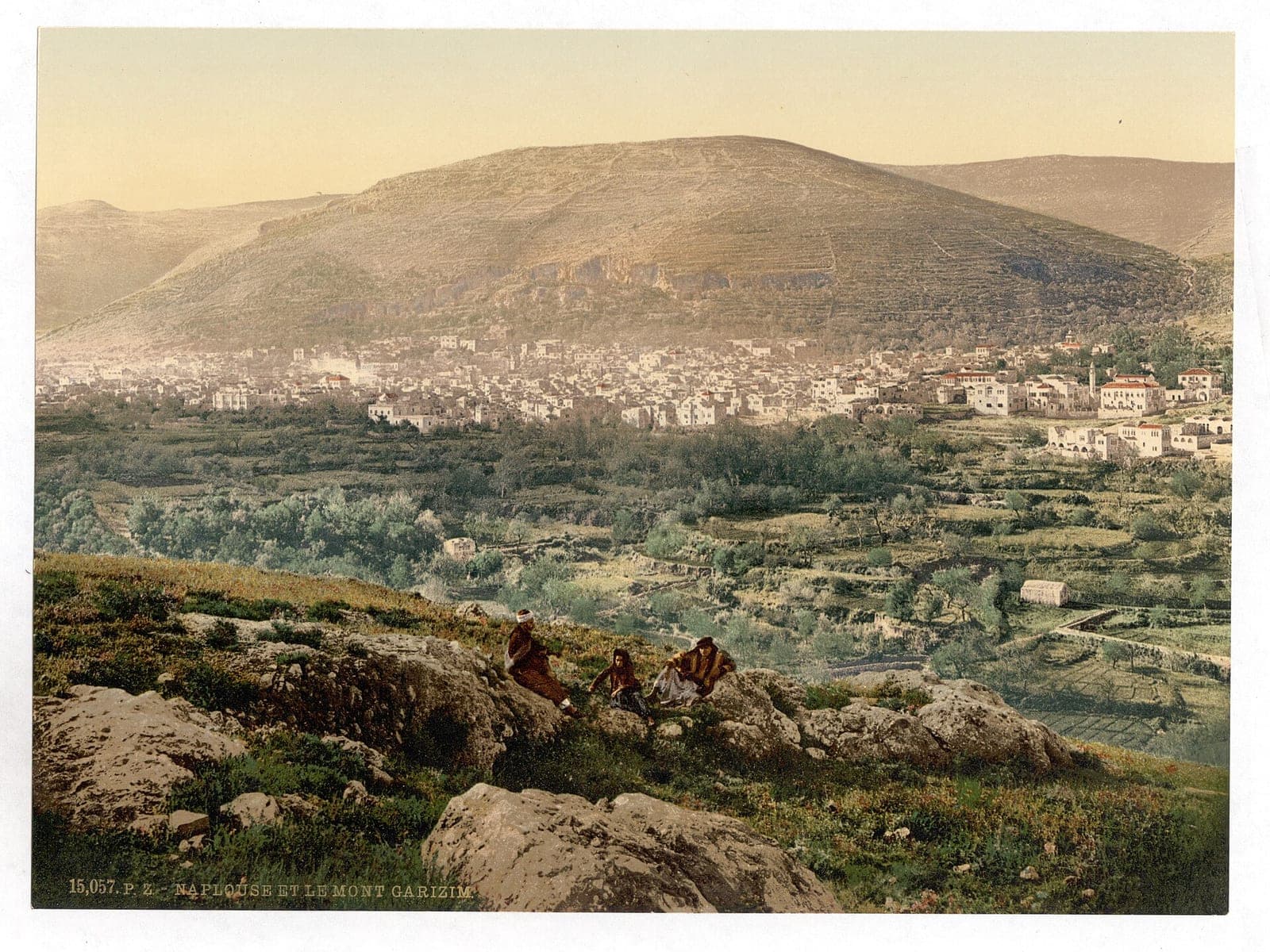
Photo: Photochrom print, Library of Congress Prints and Photographs Division (LCCN 2002725043). License: Public domain in the United States; Library of Congress states no known restrictions on publication. Source. Location: Nablus and Mount Gerizim, West Bank; print preserved by the Library of Congress. Resized for the web.
Explore the places of the Bible
See where biblical events happened, why each place matters, and what archaeology helps us understand.
Shechem
Where God promised the land to Abram, and where Joshua led Israel to renew the covenant.
Get full access with one subscription
Explore the people and places of the Bible. Read summaries of every book, with images and clear explanations covering every chapter. Access all these features and our Bible study tools with one subscription.
See PlansAsk AI about Numbers 31:14
Ask a question about this verse and get a clear answer, with Bible references you can read for yourself.
Every Bible book, explained chapter by chapter
Explore summaries of every book of the Bible, with images and easy-to-understand explanations covering every chapter.
Keep studying Numbers 31:14
Related Bible verses
Key themes
Related topics
At a Glance — the Book of Numbers
- Author
- Traditionally attributed to Moses
- Written
- Around 1400 BC
- Genre
- Law (Pentateuch)
- Original Audience
- The Israelites in the wilderness
Frequently Asked Questions
Quick, clear answers about this verse
What does Numbers 31:14 mean?
Numbers 31:14 shows Moses' anger towards military leaders after a battle, indicating his concern for their actions and adherence to God's commands. His fury reflects the importance of leadership accountability and the moral implications of their decisions.
Why was Moses angry in Numbers 31:14?
Moses was angry because he believed the military commanders acted in ways that contradicted God's instructions during the battle. His reaction emphasizes the need for leaders to uphold ethical standards and follow divine guidance.
What is the significance of leadership in Numbers 31:14?
The verse highlights the critical role of leadership accountability, showing that leaders must ensure their actions align with moral and ethical standards. Moses' response serves as a reminder that leaders are responsible for the consequences of their decisions.
What lessons can we learn from Numbers 31:14?
From Numbers 31:14, we learn the importance of accountability in leadership and the need for leaders to be open to correction. It teaches that decisions made by leaders can significantly impact their community and relationship with God.
Daily Verse — straight to your inbox
A verse and a 2-sentence plain-English explanation, every morning. Free. Unsubscribe anytime.