New Testament
Philemon 1:19
Read the Bible in clear, modern English—easy to understand, faithful to the meaning, and written for everyday readers.
I, Paul, am writing this with my own hand: I will pay it back. And I won't even mention that you owe me your very self.
Compare translations
I Paul have written it with mine own hand, I will repay it: albeit I do not say to thee how thou owest unto me even thine own self besides.
What Philemon 1:19 means
Plain-English insight for readers
In this verse, Paul emphasizes the personal nature of his message by stating that he is writing it himself, which adds weight to his words. He expresses his willingness to repay any debt that Philemon may have incurred, likely referring to Onesimus, a runaway slave who has become a Christian. Paul subtly reminds Philemon of the spiritual debt he owes to Paul for leading him to faith, suggesting that this relationship should influence how Philemon treats Onesimus. By mentioning that he won't bring up this debt, Paul is appealing to Philemon's sense of grace and love, encouraging him to forgive and accept Onesimus back without holding past wrongs against him. This verse highlights the themes of personal responsibility, forgiveness, and the bonds of Christian fellowship, urging believers to act with compassion and understanding towards one another.
How to apply Philemon 1:19 to your life
This verse encourages us to take personal responsibility for our actions and to be willing to forgive others, just as we have been forgiven. It reminds us to consider the spiritual debts we owe to others and to act with grace in our relationships, fostering reconciliation and understanding.
Curated for this public verse page. Philemon Summary
Explore more of the Bible
Learn the Bible through its people and places
Get to know the people in Scripture through illustrated stories, and explore the places where they lived and traveled.
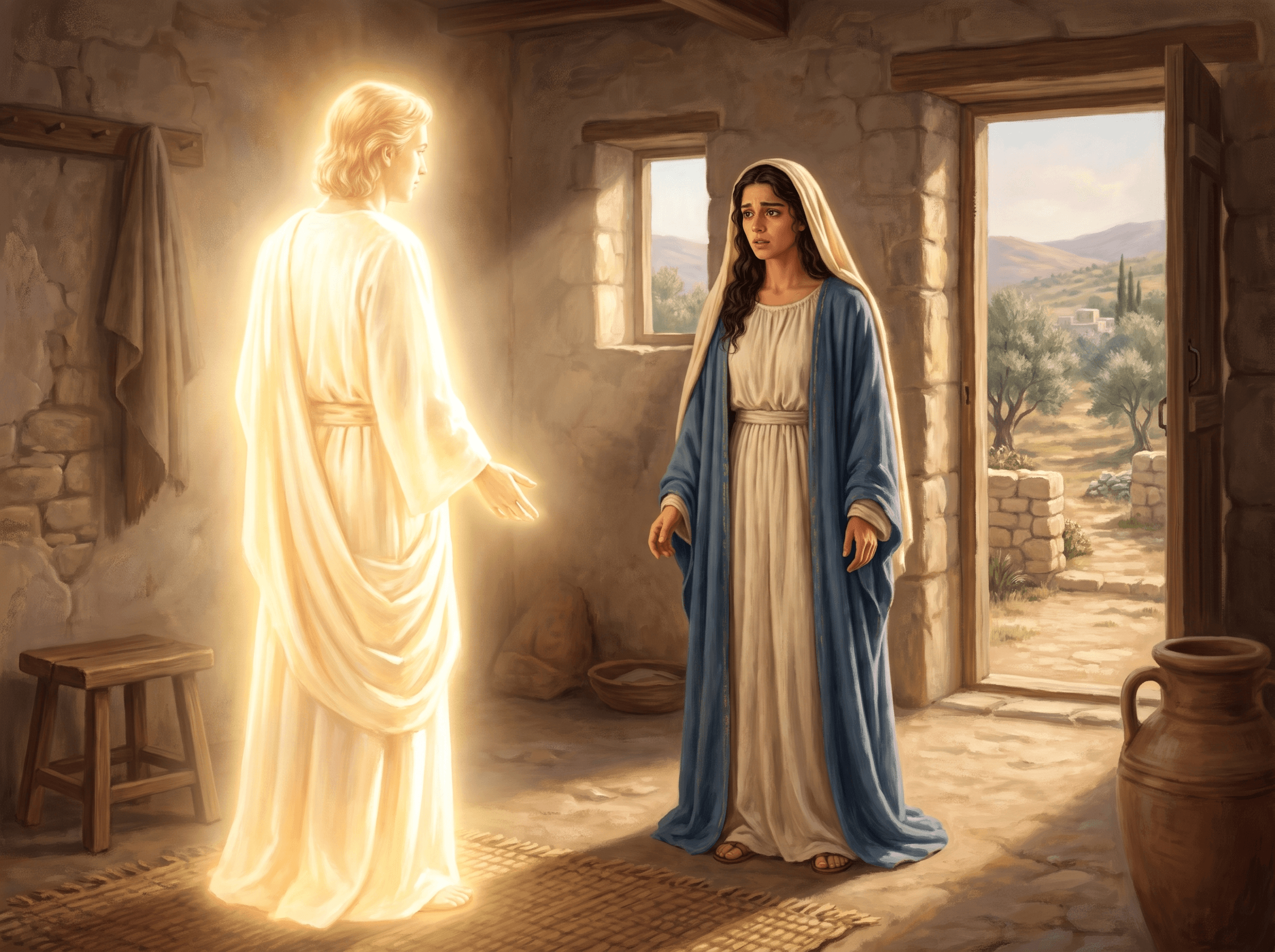
Illustrated scene from Mary, Jesus' mother's story: An Angel Visits Mary (Luke 1:26–38)
Meet the people of the Bible
Follow their lives in order, with illustrated scenes and Bible passages that tell their stories.
 Mary, Jesus' mother

Photo: Gary Todd (Gary Lee Todd, Ph.D.), via Wikimedia Commons. License: CC0 1.0 Universal Public Domain Dedication. Source. Location: Southern end of the Temple Mount, Jerusalem Old City. Resized for the web.
Explore the places of the Bible
See where biblical events happened, why each place matters, and what archaeology helps us understand.
Jerusalem
David's capital, the city of the temple, and the place where Jesus died and rose again.
Get full access with one subscription
Explore the people and places of the Bible. Read summaries of every book, with images and clear explanations covering every chapter. Access all these features and our Bible study tools with one subscription.
See PlansAsk AI about Philemon 1:19
Ask a question about this verse and get a clear answer, with Bible references you can read for yourself.
Every Bible book, explained chapter by chapter
Explore summaries of every book of the Bible, with images and easy-to-understand explanations covering every chapter.
Keep studying Philemon 1:19
Related Bible verses
Key themes
Related topics
At a Glance — the Book of Philemon
- Author
- Paul the apostle
- Written
- Around AD 60
- Genre
- Letter (epistle)
- Original Audience
- Philemon, a Christian in Colossae
Frequently Asked Questions
Quick, clear answers about this verse
What does Paul mean by writing with his own hand in Philemon 1:19?
In Philemon 1:19, Paul emphasizes the personal touch of his message by stating he is writing it with his own hand. This signifies the importance of the message and his commitment to it. By doing so, he adds weight to his request for Philemon to forgive Onesimus, highlighting the sincerity and urgency of his appeal.
Why does Paul mention that Philemon owes him his very self?
Paul mentions that Philemon owes him his very self to remind him of the spiritual debt he has for leading him to faith in Christ. This serves as a gentle reminder that their relationship is rooted in grace and transformation, encouraging Philemon to extend that same grace to Onesimus, who is seeking forgiveness.
How does Philemon 1:19 relate to the theme of forgiveness?
Philemon 1:19 illustrates the theme of forgiveness by showing Paul's willingness to repay any debts while subtly urging Philemon to forgive Onesimus. Paul's approach highlights the importance of grace in relationships, encouraging believers to let go of past wrongs and embrace reconciliation, reflecting the forgiveness they have received from Christ.
What can we learn about personal responsibility from Philemon 1:19?
Philemon 1:19 teaches us about personal responsibility by showing Paul taking ownership of his words and actions. He is willing to repay a debt, which reflects a commitment to accountability. This encourages us to take responsibility for our actions and to be proactive in resolving conflicts and fostering forgiveness in our relationships.
Daily Verse — straight to your inbox
A verse and a 2-sentence plain-English explanation, every morning. Free. Unsubscribe anytime.