Proverbs 21:20
There is desirable treasure and oil in the home of the wise, but a foolish person spends it all.
What Proverbs 21:20 means
Plain-English insight for readers
This verse highlights the contrast between the wise and the foolish regarding the management of resources. The 'treasure and oil' symbolize valuable possessions and the ability to provide for oneself and others. A wise person knows how to save and invest their resources wisely, ensuring they have enough for the future. In contrast, a foolish person squanders their wealth without thought for tomorrow, leading to potential hardship. This teaching encourages us to be prudent and thoughtful in our financial decisions, emphasizing the importance of saving and planning for the future rather than living recklessly. The verse serves as a reminder that wisdom involves not just acquiring wealth but also managing it wisely to secure a stable and prosperous life.
How to apply Proverbs 21:20 to your life
To apply this verse, evaluate your spending habits and consider ways to save or invest your resources wisely. Create a budget that prioritizes saving for future needs and avoid impulsive purchases that can lead to financial instability. Practicing financial wisdom can lead to greater security and peace of mind.
In the King James Version
There is treasure to be desired and oil in the dwelling of the wise; but a foolish man spendeth it up.
Ask about this verse
Ask anything about Proverbs 21:20 and get a clear answer from Scripture.
Have a question about this verse? Explore it with ClearBible.
Premium answers your questions about any verse from Scripture itself, shows the verses it rests on, and opens Clear on every passage. You also get all 66 book summaries.
7 days free, then $99/year. Card required. Cancel anytime.
Explore more of the Bible
Learn the Bible through its people and places
Get to know the people in Scripture through illustrated stories, and explore the places where they lived and traveled.
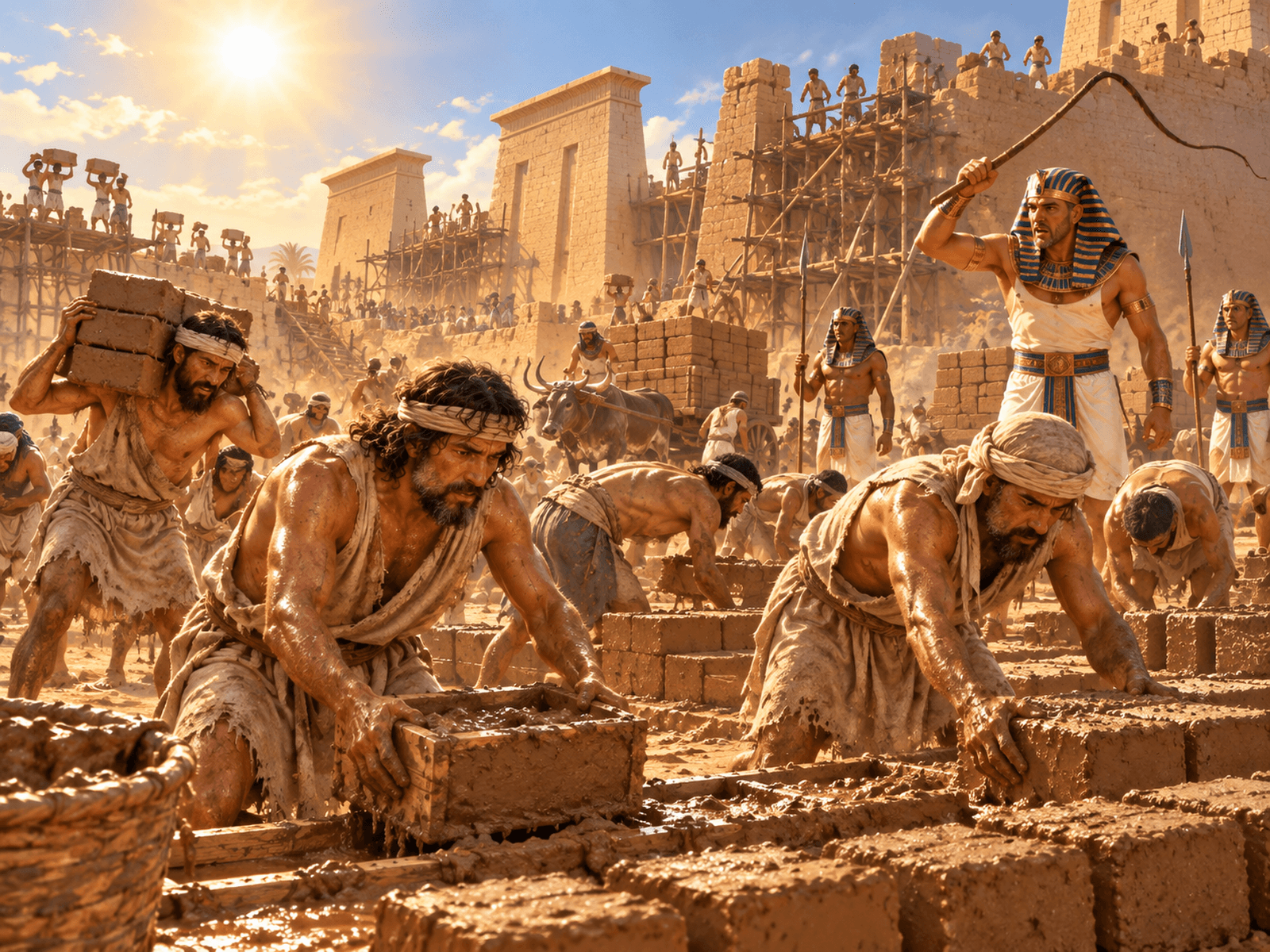
Illustrated scene from Moses's story: Israel Enslaved in Egypt (Exodus 1:8–22)
Meet the people of the Bible
Follow their lives in order, with illustrated scenes and Bible passages that tell their stories.
 Moses
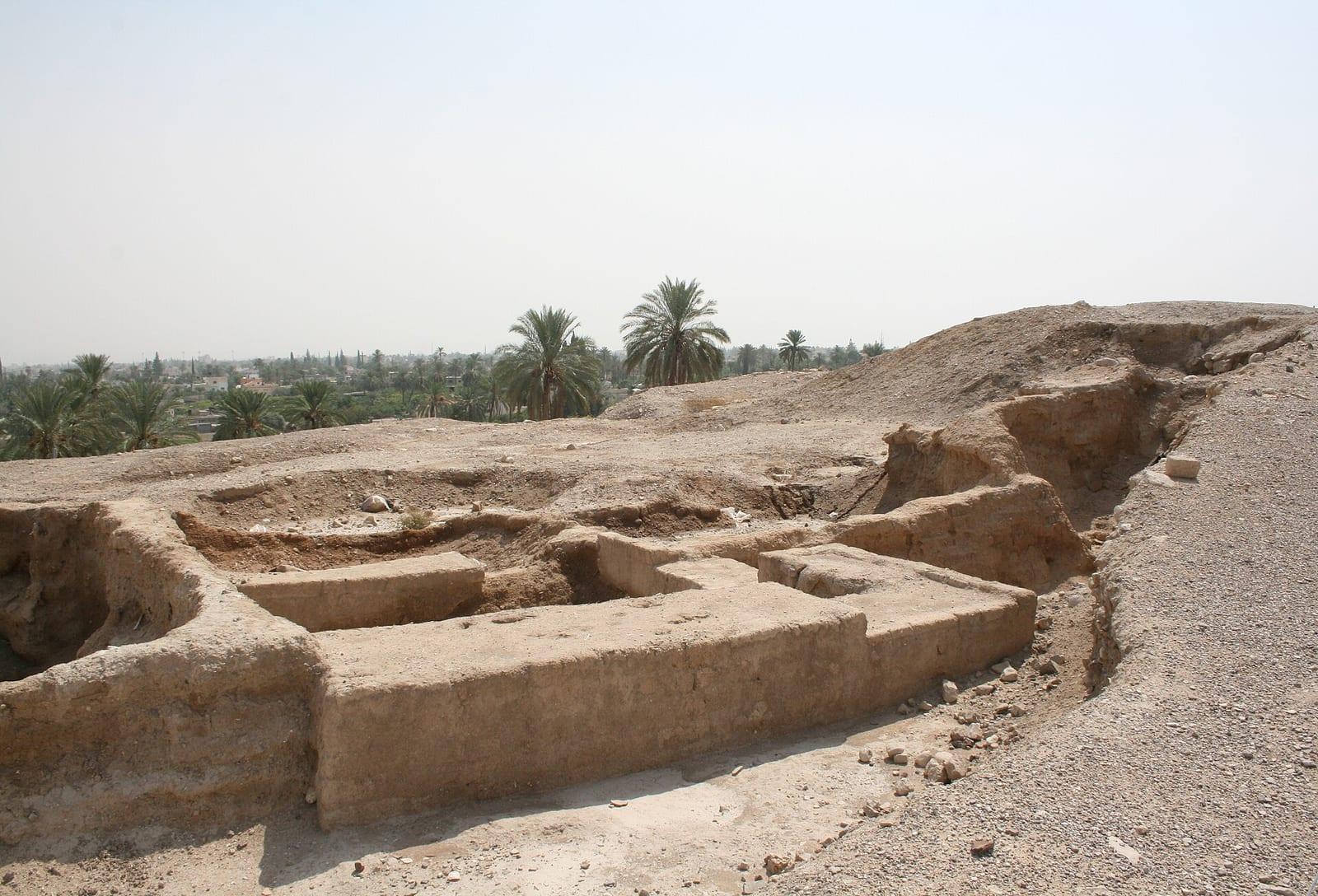
Photo: Diego Delso, via Wikimedia Commons. License: CC BY-SA 3.0. Source. Location: Tell es-Sultan, Jericho, West Bank. Resized for the web.
Explore the places of the Bible
See where biblical events happened, why each place matters, and what archaeology helps us understand.
Jericho
The city of palm trees, whose walls fell in Joshua's day.
Every Bible book, explained chapter by chapter
Explore summaries of every book of the Bible, with images and easy-to-understand explanations covering every chapter.
Keep studying Proverbs 21:20
Related Bible verses
Key themes
Related topics
At a Glance — the Book of Proverbs
- Author
- Primarily Solomon, with other contributors
- Written
- Around 950-700 BC
- Genre
- Wisdom literature
- Original Audience
- Young people and all seeking wisdom
Frequently Asked Questions
Quick, clear answers about this verse
What does Proverbs 21:20 mean?
Proverbs 21:20 contrasts the wise and foolish in how they manage their resources. It suggests that wise individuals save and invest their wealth, while foolish people spend recklessly, which can lead to future hardship.
What is the meaning of 'treasure and oil' in Proverbs 21:20?
'Treasure and oil' symbolize valuable resources and the ability to provide for oneself. In this verse, they represent the importance of managing one's wealth wisely to ensure stability and security.
How can I apply Proverbs 21:20 in my life?
To apply this verse, assess your spending habits and create a budget that emphasizes saving and investing. Avoid impulsive purchases and focus on making thoughtful financial decisions to secure your future.
What lessons can we learn from Proverbs 21:20?
The key lessons from Proverbs 21:20 include the value of wisdom in financial management and the dangers of foolish spending. It encourages individuals to be prudent and plan ahead to avoid financial difficulties.
Daily Verse — straight to your inbox
A verse and a 2-sentence plain-English explanation, every morning. Free. Unsubscribe anytime.