Old Testament
Psalms 101:7
Read the Bible in clear, modern English—easy to understand, faithful to the meaning, and written for everyday readers.
He who works deceit shall not dwell within my house. He who tells lies shall not remain in my sight.
Compare translations
He that worketh deceit shall not dwell within my house: he that telleth lies shall not tarry in my sight.
What Psalms 101:7 means
Plain-English insight for readers
In this verse, the psalmist expresses a strong commitment to integrity and truthfulness within his household. He declares that anyone who engages in deceit or lies will not be allowed to live in his home or be in his presence. This reflects a desire for a moral and honest environment, emphasizing the importance of truth in relationships. The psalmist is setting clear boundaries against dishonesty, indicating that such behavior is unacceptable. By stating that deceitful individuals will not dwell in his house, he is also highlighting the need for accountability and the consequences of dishonesty. This verse serves as a reminder that a home should be a place of trust and transparency, where truth is valued and upheld. The psalmist's resolve to keep his surroundings free from deceit underscores the significance of maintaining a righteous and upright character, both personally and within the community.
How to apply Psalms 101:7 to your life
To apply this verse, we should evaluate our own relationships and environments. Are we surrounding ourselves with honest individuals? It’s important to foster relationships based on truth and integrity, and to distance ourselves from deceitful influences that can harm our character and peace.
Curated for this public verse page. Psalms Summary
Explore more of the Bible
Learn the Bible through its people and places
Get to know the people in Scripture through illustrated stories, and explore the places where they lived and traveled.

Illustrated scene from Daniel's story: Faithful at the King's Table (Daniel 1:1–21)
Meet the people of the Bible
Follow their lives in order, with illustrated scenes and Bible passages that tell their stories.
 Daniel
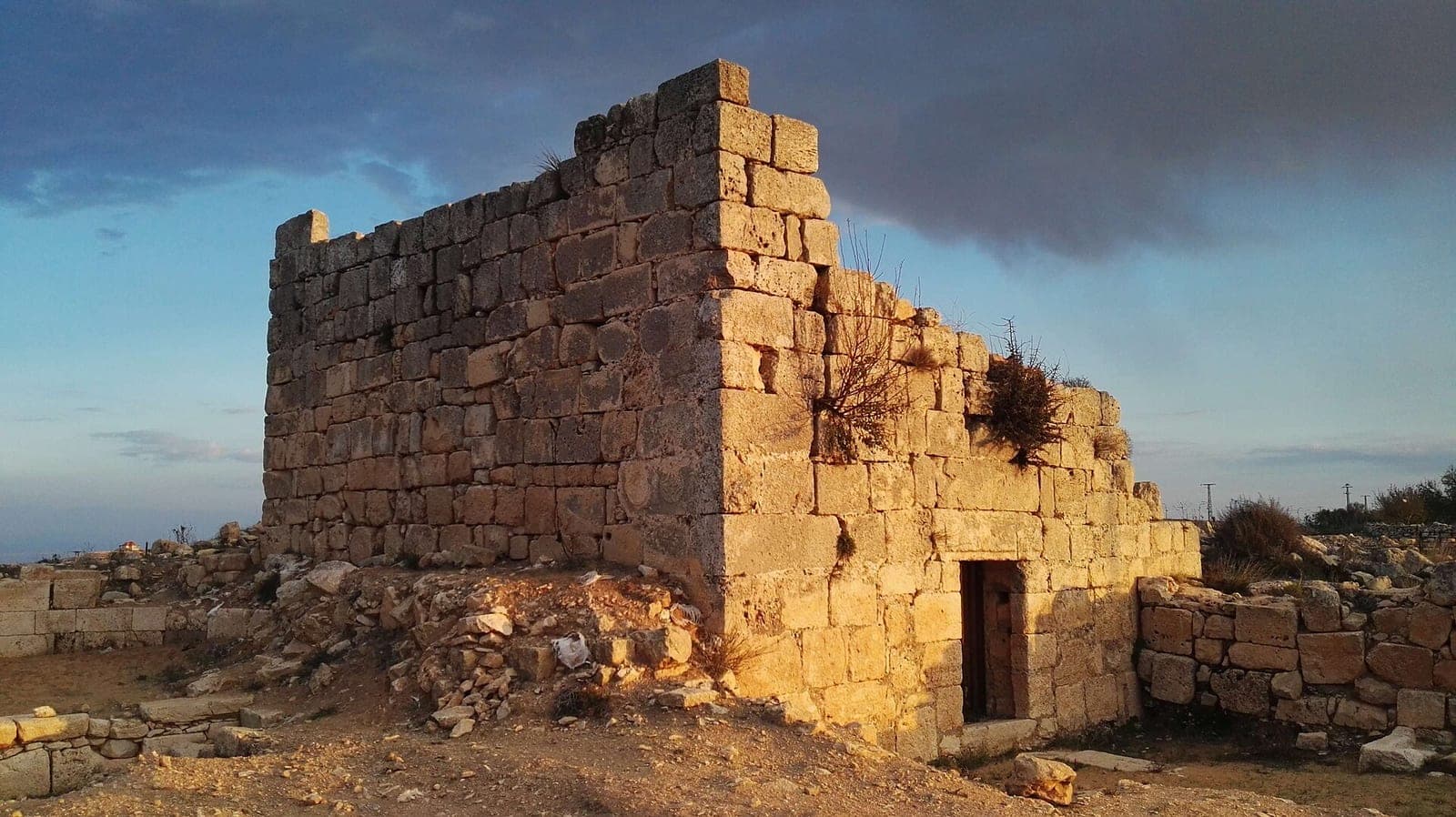
Photo: Bukvoed, via Wikimedia Commons. License: CC BY 4.0. Source. Location: Burj Beitin, Beitin, Ramallah and al-Bireh Governorate, West Bank. Resized for the web.
Explore the places of the Bible
See where biblical events happened, why each place matters, and what archaeology helps us understand.
Bethel
Where Jacob dreamed of a stairway to heaven and met God.
Get full access with one subscription
Explore the people and places of the Bible. Read summaries of every book, with images and clear explanations covering every chapter. Access all these features and our Bible study tools with one subscription.
See PlansAsk AI about Psalms 101:7
Ask a question about this verse and get a clear answer, with Bible references you can read for yourself.
Fuller verse explanations
Explore what a verse means, what was happening around it, and how it connects to other Bible passages.
Plain Meaning
The speaker says that no one who practices deceit will be allowed to live in his house, and no one who tells lies will be allowed to stay in his presence. Both lines say the same thing: dishonest people have no place close to him. The verse is a firm personal rule about who is welcome in his household.
Read It in Context
The psalm is a list of commitments the speaker makes about how he will live and who he will keep around him. Verse 6 states the positive side: the faithful will dwell with him and serve him. Verse 7 is the negative side: the dishonest will not.
The full Clear view adds what to notice, common misreadings, and the passage that best explains this one — for Psalms 101:7 and any verse in the Bible.
Every Bible book, explained chapter by chapter
Explore summaries of every book of the Bible, with images and easy-to-understand explanations covering every chapter.
Keep studying Psalms 101:7
Related Bible verses
Key themes
At a Glance — the Book of Psalms
- Author
- David, Asaph, the sons of Korah, Solomon, and others
- Written
- Around 1000-500 BC
- Genre
- Poetry and worship
- Original Audience
- Worshipers of Israel
Frequently Asked Questions
Quick, clear answers about this verse
What does Psalms 101:7 mean?
Psalms 101:7 expresses the psalmist's commitment to maintaining a home free from deceit and lies. It emphasizes the importance of integrity and truthfulness in relationships, stating that dishonest individuals will not be allowed in his presence.
What is the meaning of deceit in Psalms 101:7?
In Psalms 101:7, deceit refers to actions or words intended to mislead or trick others. The verse highlights the psalmist's rejection of such behavior, indicating that a truthful environment is essential for a moral household.
How can I apply Psalms 101:7 in my life?
To apply Psalms 101:7, assess your relationships and ensure they are built on honesty and trust. Distance yourself from deceitful influences and strive to create an environment where truth is valued.
What themes are present in Psalms 101:7?
Psalms 101:7 encompasses themes of integrity, truthfulness, accountability, and the importance of setting boundaries against deceit. It underscores the need for a trustworthy and moral environment.
Daily Verse — straight to your inbox
A verse and a 2-sentence plain-English explanation, every morning. Free. Unsubscribe anytime.