Old Testament
Psalms 113:7
Read the Bible in clear, modern English—easy to understand, faithful to the meaning, and written for everyday readers.
He raises up the poor out of the dust, and lifts the needy out of the dunghill,
Compare translations
He raiseth up the poor out of the dust, and lifteth the needy out of the dunghill;
What Psalms 113:7 means
Plain-English insight for readers
This verse highlights God's compassion and care for those who are marginalized and in desperate situations. The imagery of raising the poor from the dust and lifting the needy from the dunghill symbolizes God's ability to transform lives and restore dignity. It emphasizes that no one is beyond hope or help, regardless of their circumstances. The dust represents a lowly state, while the dunghill signifies a place of shame and rejection. By lifting the poor and needy, God demonstrates His desire to elevate those who are suffering and to provide them with a better future. This act of lifting is not just physical but also spiritual, as it signifies God's intervention in the lives of those who feel hopeless. It reassures believers that God sees their struggles and is actively working to bring about change and restoration in their lives.
How to apply Psalms 113:7 to your life
In our daily lives, we can reflect God's compassion by helping those in need. This may involve volunteering, donating to charities, or simply offering support to someone who is struggling. By lifting others up, we embody the love and care that God shows to the poor and needy.
Curated for this public verse page. Psalms Summary
Explore more of the Bible
Learn the Bible through its people and places
Get to know the people in Scripture through illustrated stories, and explore the places where they lived and traveled.

Illustrated scene from Daniel's story: Faithful at the King's Table (Daniel 1:1–21)
Meet the people of the Bible
Follow their lives in order, with illustrated scenes and Bible passages that tell their stories.
 Daniel
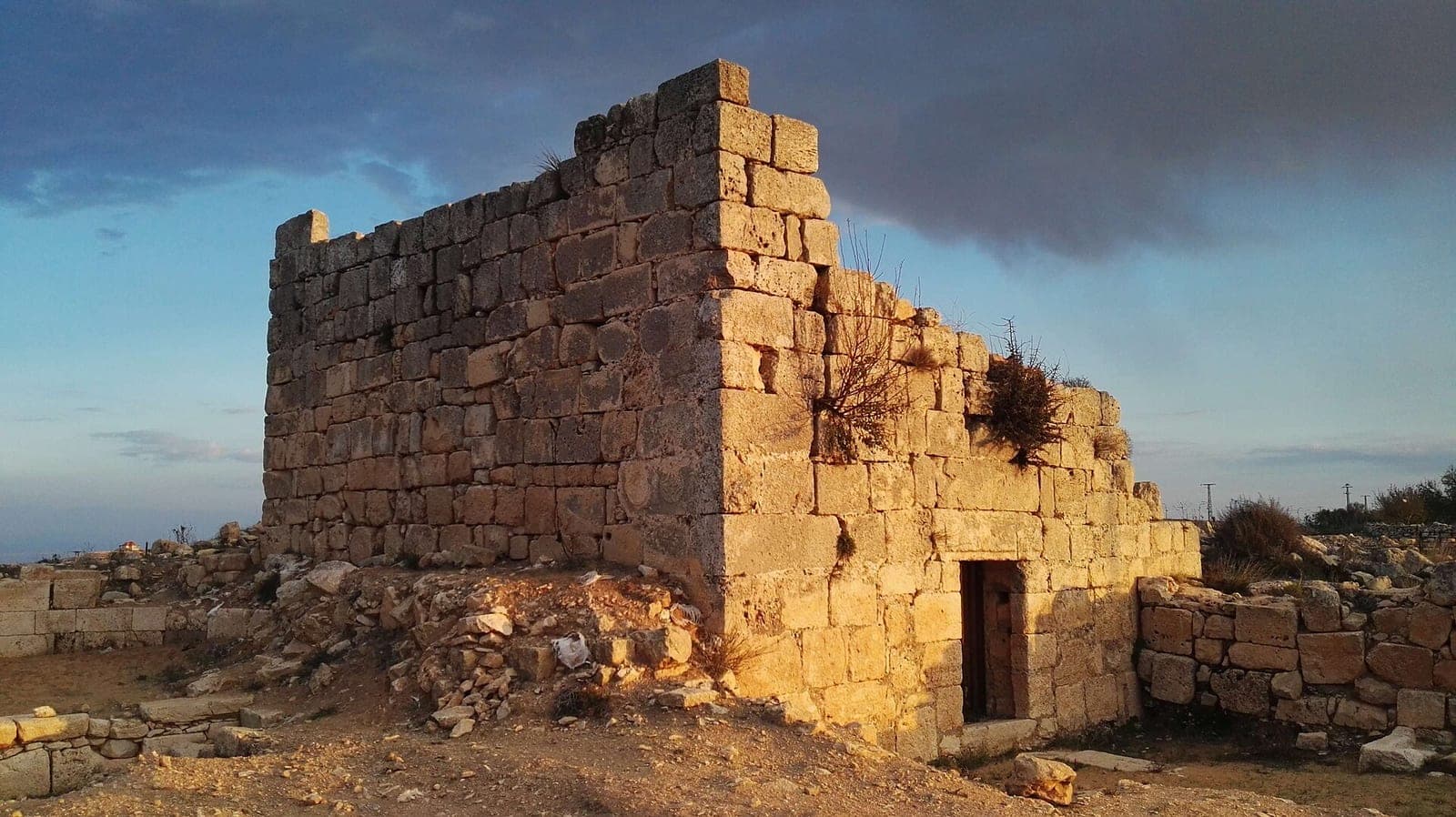
Photo: Bukvoed, via Wikimedia Commons. License: CC BY 4.0. Source. Location: Burj Beitin, Beitin, Ramallah and al-Bireh Governorate, West Bank. Resized for the web.
Explore the places of the Bible
See where biblical events happened, why each place matters, and what archaeology helps us understand.
Bethel
Where Jacob dreamed of a stairway to heaven and met God.
Get full access with one subscription
Explore the people and places of the Bible. Read summaries of every book, with images and clear explanations covering every chapter. Access all these features and our Bible study tools with one subscription.
See PlansAsk AI about Psalms 113:7
Ask a question about this verse and get a clear answer, with Bible references you can read for yourself.
Every Bible book, explained chapter by chapter
Explore summaries of every book of the Bible, with images and easy-to-understand explanations covering every chapter.
Keep studying Psalms 113:7
Related Bible verses
Key themes
Related topics
At a Glance — the Book of Psalms
- Author
- David, Asaph, the sons of Korah, Solomon, and others
- Written
- Around 1000-500 BC
- Genre
- Poetry and worship
- Original Audience
- Worshipers of Israel
Frequently Asked Questions
Quick, clear answers about this verse
What does Psalms 113:7 mean?
Psalms 113:7 means that God shows compassion by lifting the poor and needy from their lowly and shameful situations. It emphasizes His ability to transform lives and restore dignity to those who are marginalized.
What is the meaning of 'poor out of the dust' in Psalms 113:7?
The phrase 'poor out of the dust' symbolizes God's action of raising individuals who are in desperate and lowly conditions, highlighting His care for those who are suffering.
How does Psalms 113:7 relate to helping others?
Psalms 113:7 encourages us to reflect God's compassion by helping those in need, reminding us that we can make a difference in the lives of others who are struggling.
What themes are present in Psalms 113:7?
The themes in Psalms 113:7 include God's compassion, restoration, hope for the needy, divine intervention, and dignity for the marginalized.
Daily Verse — straight to your inbox
A verse and a 2-sentence plain-English explanation, every morning. Free. Unsubscribe anytime.