Old Testament
Psalms 115:3
Read the Bible in clear, modern English—easy to understand, faithful to the meaning, and written for everyday readers.
But our God is in the heavens; he has done whatever he pleased.
Compare translations
But our God is in the heavens: he hath done whatsoever he hath pleased.
What Psalms 115:3 means
Plain-English insight for readers
This verse emphasizes the sovereignty of God, highlighting that He exists in the heavens and has the ultimate authority to do as He wishes. Unlike idols that are powerless and limited, God is not bound by human constraints. His actions are not subject to anyone else's will; He operates according to His own purposes and desires. This serves as a reminder of His omnipotence and the trust we can place in Him. The verse reassures believers that God is actively involved in the world, executing His plans and fulfilling His promises. It contrasts the living God with the lifeless idols that people often worship, reinforcing the idea that true power and authority belong solely to God. This understanding can inspire confidence and faith in His ability to intervene in our lives and the world around us, reminding us that He is always in control, regardless of circumstances.
How to apply Psalms 115:3 to your life
Recognizing God's sovereignty can help us trust Him more deeply in our daily lives. When faced with challenges, remember that He is in control and has the power to act according to His will. This can bring peace and assurance in uncertain times.
Curated for this public verse page. Psalms Summary
Explore more of the Bible
Learn the Bible through its people and places
Get to know the people in Scripture through illustrated stories, and explore the places where they lived and traveled.

Illustrated scene from Moses's story: Israel Enslaved in Egypt (Exodus 1:8–22)
Meet the people of the Bible
Follow their lives in order, with illustrated scenes and Bible passages that tell their stories.
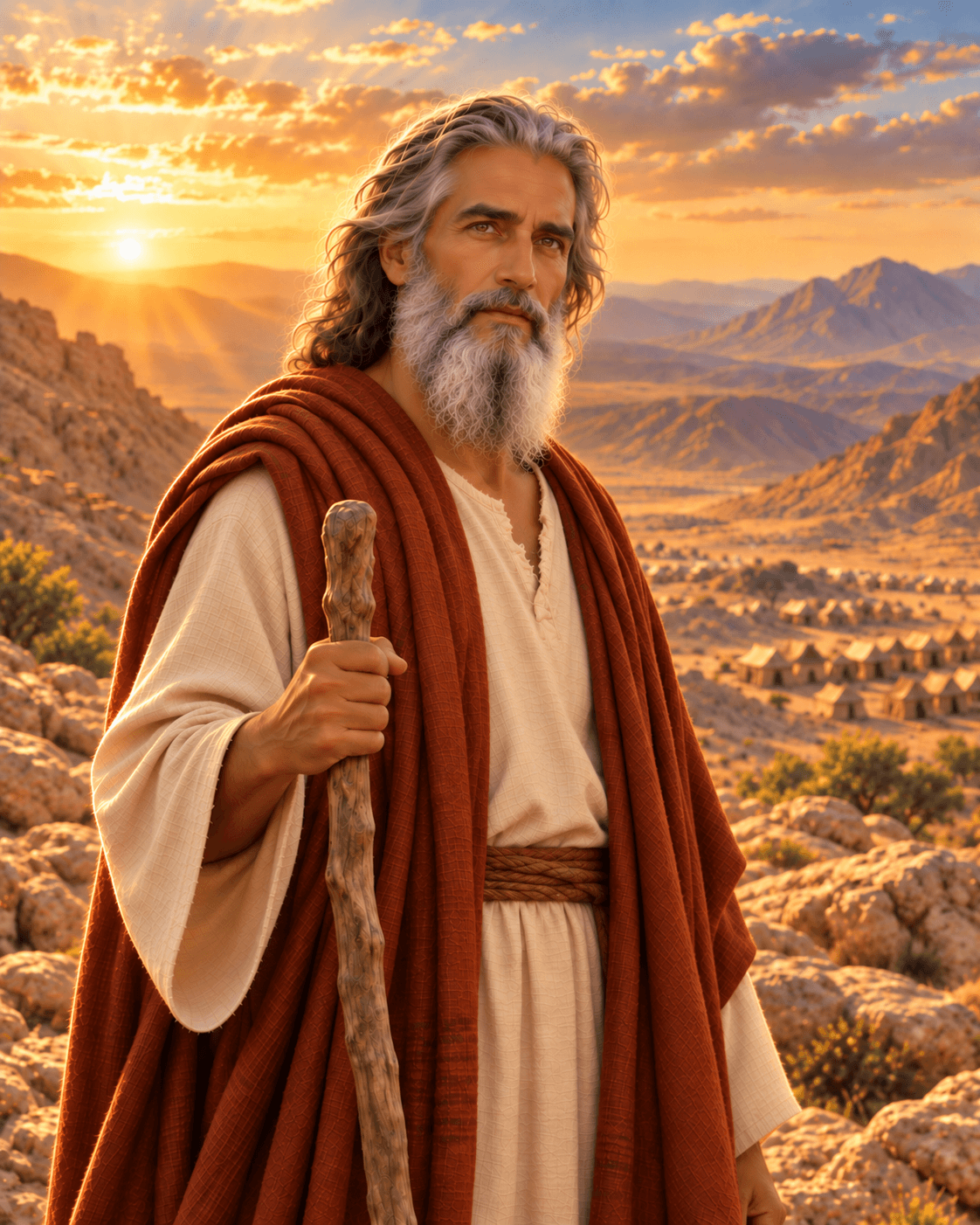 Moses
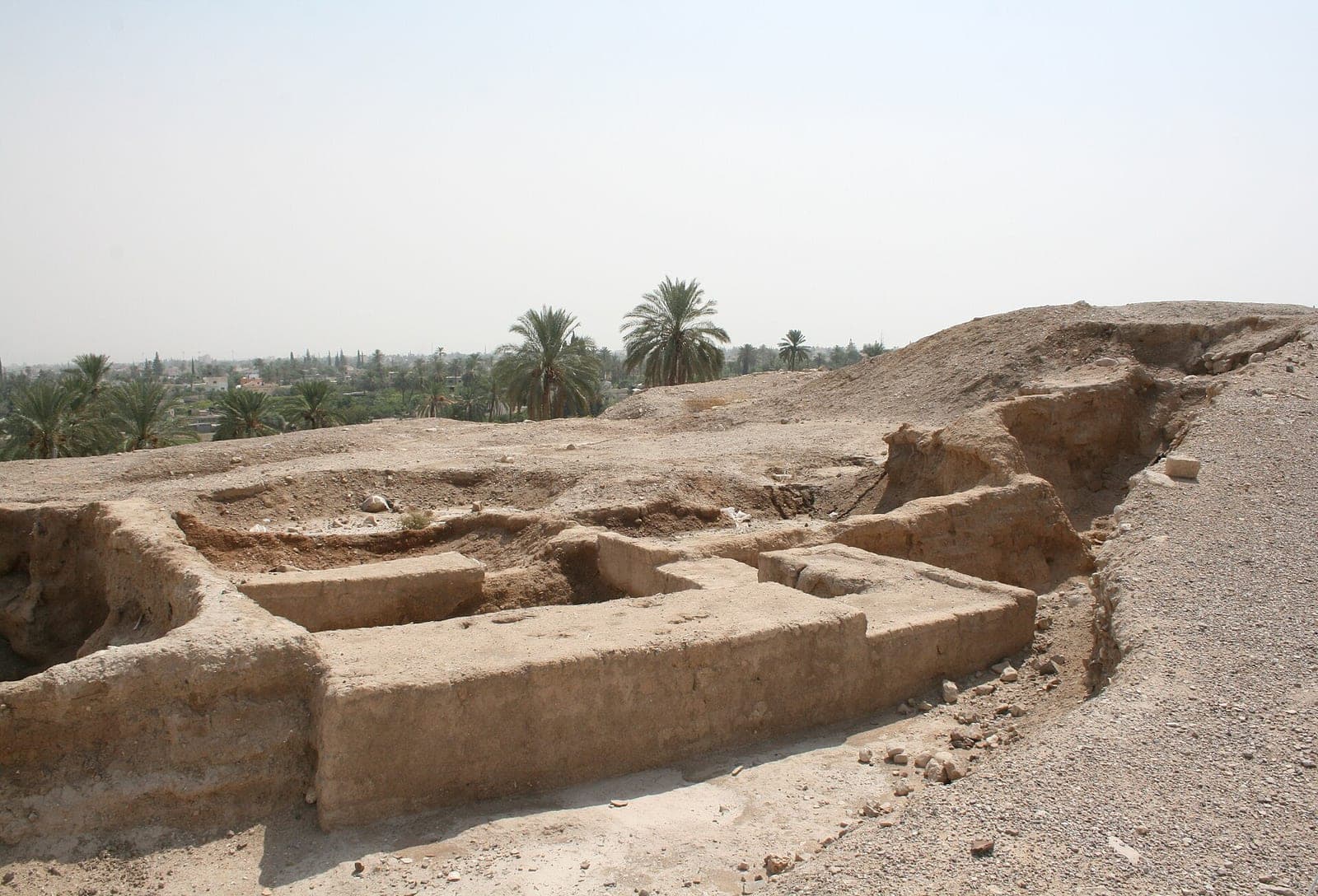
Photo: Diego Delso, via Wikimedia Commons. License: CC BY-SA 3.0. Source. Location: Tell es-Sultan, Jericho, West Bank. Resized for the web.
Explore the places of the Bible
See where biblical events happened, why each place matters, and what archaeology helps us understand.
Jericho
The city of palm trees, whose walls fell in Joshua's day.
Get full access with one subscription
Explore the people and places of the Bible. Read summaries of every book, with images and clear explanations covering every chapter. Access all these features and our Bible study tools with one subscription.
See PlansAsk AI about Psalms 115:3
Ask a question about this verse and get a clear answer, with Bible references you can read for yourself.
Every Bible book, explained chapter by chapter
Explore summaries of every book of the Bible, with images and easy-to-understand explanations covering every chapter.
Keep studying Psalms 115:3
Related Bible verses
Key themes
Related topics
At a Glance — the Book of Psalms
- Author
- David, Asaph, the sons of Korah, Solomon, and others
- Written
- Around 1000-500 BC
- Genre
- Poetry and worship
- Original Audience
- Worshipers of Israel
Frequently Asked Questions
Quick, clear answers about this verse
What does Psalms 115:3 mean?
Psalms 115:3 emphasizes God's sovereignty, stating that He is in the heavens and has the authority to do whatever He pleases. This highlights His ultimate power and control over all things, contrasting Him with powerless idols.
What is the significance of God being in the heavens in Psalms 115:3?
The mention of God being in the heavens signifies His supreme authority and distance from earthly limitations. It reassures believers that He operates beyond human constraints and is actively involved in the world.
How does Psalms 115:3 contrast God with idols?
Psalms 115:3 contrasts God with idols by illustrating that while idols are powerless and limited, God has the ability to act according to His own will. This serves to reinforce the idea that true power belongs solely to God.
What is the main message of Psalms 115:3?
The main message of Psalms 115:3 is that God is sovereign and has the ultimate authority to fulfill His purposes. It encourages believers to trust in His power and control over their lives and circumstances.
Daily Verse — straight to your inbox
A verse and a 2-sentence plain-English explanation, every morning. Free. Unsubscribe anytime.