Old Testament
Psalms 127:2
Read the Bible in clear, modern English—easy to understand, faithful to the meaning, and written for everyday readers.
It is vain for you to rise up early, to sit up late, to eat the bread of sorrows — for so he gives his beloved sleep.
Compare translations
It is vain for you to rise up early, to sit up late, to eat the bread of sorrows: for so he giveth his beloved sleep.
What Psalms 127:2 means
Plain-English insight for readers
This verse emphasizes the futility of excessive labor and worry. It suggests that no matter how hard one works or how late one stays up, true success and peace come from God. The phrase 'bread of sorrows' refers to the stress and anxiety that can accompany relentless striving. Instead, God grants rest and peace to those He loves. This highlights the importance of trusting in God’s provision rather than relying solely on our efforts. The verse encourages a balanced approach to work and rest, reminding us that while diligence is important, it should not come at the cost of our well-being or peace of mind. Ultimately, it reassures us that God cares for us and provides for our needs, allowing us to find rest in Him.
How to apply Psalms 127:2 to your life
In our busy lives, it's easy to become overwhelmed by work and stress. This verse reminds us to trust God for our needs and to prioritize rest. Instead of burning the candle at both ends, we should seek a healthy balance between work and relaxation, allowing ourselves to recharge and find peace in God's care.
Curated for this public verse page. Psalms Summary
Explore more of the Bible
Learn the Bible through its people and places
Get to know the people in Scripture through illustrated stories, and explore the places where they lived and traveled.

Illustrated scene from Moses's story: Israel Enslaved in Egypt (Exodus 1:8–22)
Meet the people of the Bible
Follow their lives in order, with illustrated scenes and Bible passages that tell their stories.
 Moses
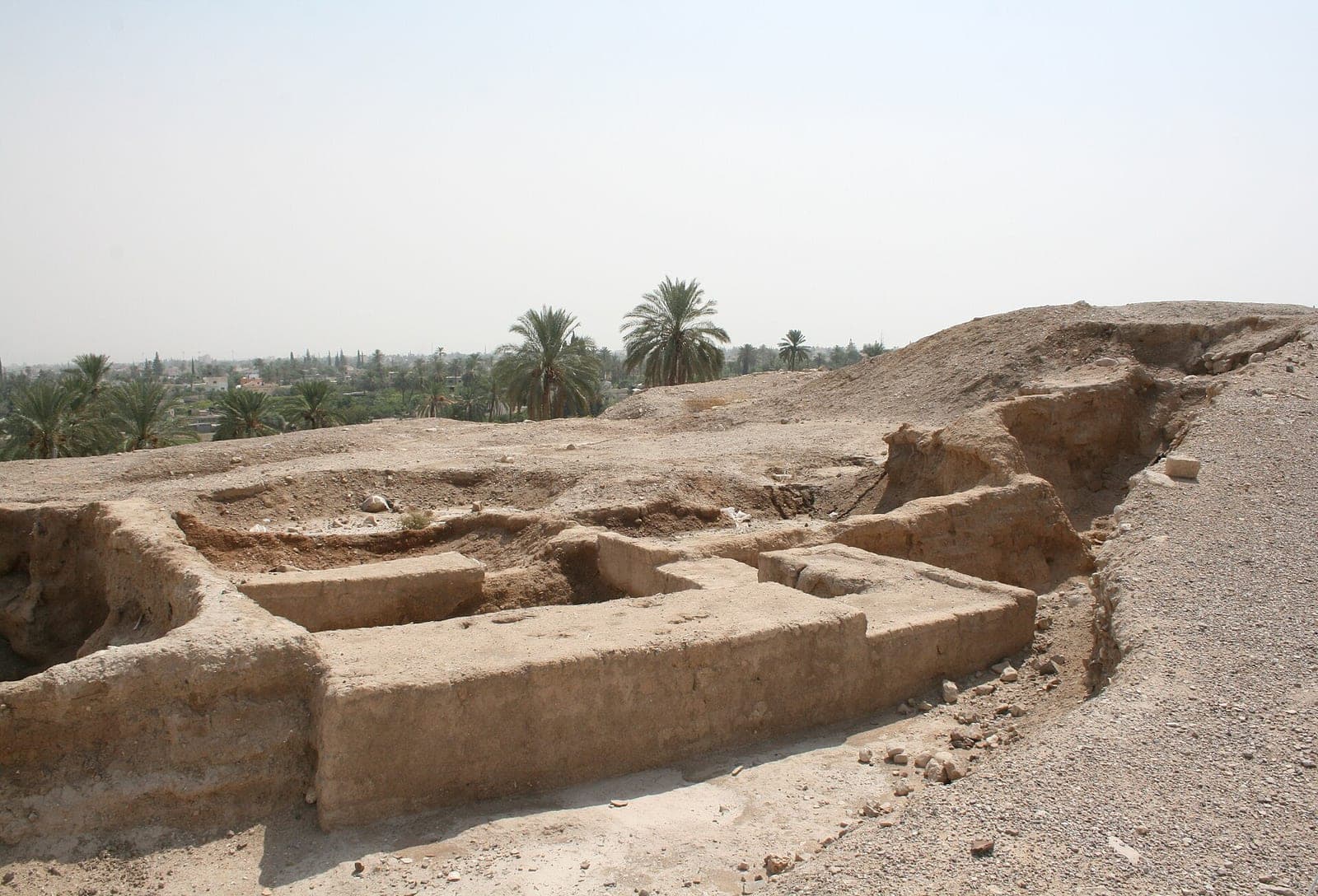
Photo: Diego Delso, via Wikimedia Commons. License: CC BY-SA 3.0. Source. Location: Tell es-Sultan, Jericho, West Bank. Resized for the web.
Explore the places of the Bible
See where biblical events happened, why each place matters, and what archaeology helps us understand.
Jericho
The city of palm trees, whose walls fell in Joshua's day.
Get full access with one subscription
Explore the people and places of the Bible. Read summaries of every book, with images and clear explanations covering every chapter. Access all these features and our Bible study tools with one subscription.
See PlansAsk AI about Psalms 127:2
Ask a question about this verse and get a clear answer, with Bible references you can read for yourself.
Every Bible book, explained chapter by chapter
Explore summaries of every book of the Bible, with images and easy-to-understand explanations covering every chapter.
Keep studying Psalms 127:2
Related Bible verses
Key themes
Related topics
At a Glance — the Book of Psalms
- Author
- David, Asaph, the sons of Korah, Solomon, and others
- Written
- Around 1000-500 BC
- Genre
- Poetry and worship
- Original Audience
- Worshipers of Israel
Frequently Asked Questions
Quick, clear answers about this verse
What does Psalms 127:2 mean about work and rest?
Psalms 127:2 highlights the futility of excessive work and worry. It teaches that no matter how hard we strive, true success and peace come from God. The verse encourages us to find a balance between diligence and rest, reminding us that God provides for our needs and grants us peace, allowing us to recharge.
How can I apply Psalms 127:2 in my daily life?
To apply Psalms 127:2, prioritize your well-being by setting boundaries on work hours and ensuring you take time to rest. Trust in God's provision for your needs instead of stressing over them. Incorporate regular breaks and relaxation into your routine, allowing yourself to recharge and find peace in God's care.
What is the 'bread of sorrows' mentioned in this verse?
The 'bread of sorrows' refers to the stress, anxiety, and hardships that can come from relentless striving and worry. It symbolizes the burdens we carry when we focus solely on our efforts without trusting in God's provision. The verse encourages us to let go of these burdens and find rest in God's love.
Why does God give His beloved sleep according to this verse?
God gives His beloved sleep as a gift of rest and peace. This signifies that when we trust in Him and rely on His provision, we can experience true tranquility and rejuvenation. It reassures us that God cares for us deeply and desires for us to find comfort and restoration in Him.
Daily Verse — straight to your inbox
A verse and a 2-sentence plain-English explanation, every morning. Free. Unsubscribe anytime.