Old Testament
Psalms 129:1
Read the Bible in clear, modern English—easy to understand, faithful to the meaning, and written for everyday readers.
"They have afflicted me many a time from my youth" — let Israel now say:
Compare translations
Many a time have they afflicted me from my youth, may Israel now say:
What Psalms 129:1 means
Plain-English insight for readers
In Psalm 129:1, the speaker reflects on the hardships faced by Israel throughout its history, particularly from a young age. The phrase 'many a time' emphasizes the repeated nature of these afflictions, suggesting that suffering has been a constant experience for the people. The call for Israel to respond indicates a collective acknowledgment of their struggles and resilience. This verse serves as a reminder of the enduring challenges faced by the nation, yet it also highlights their strength and perseverance in the face of adversity. The mention of youth signifies that these trials have been present since the beginning of their journey, shaping their identity and faith. Overall, this verse encapsulates the theme of suffering and survival, inviting the community to unite in their shared experiences and to recognize the strength that comes from overcoming difficulties together.
How to apply Psalms 129:1 to your life
This verse encourages us to acknowledge our own struggles and the challenges faced by our communities. By recognizing our shared experiences, we can foster unity and support one another. It reminds us that, despite hardships, we can find strength in our collective resilience and faith.
Curated for this public verse page. Psalms Summary
Explore more of the Bible
Learn the Bible through its people and places
Get to know the people in Scripture through illustrated stories, and explore the places where they lived and traveled.

Illustrated scene from Esther's story: Esther Becomes Queen (Esther 2:1–18)
Meet the people of the Bible
Follow their lives in order, with illustrated scenes and Bible passages that tell their stories.
 Esther
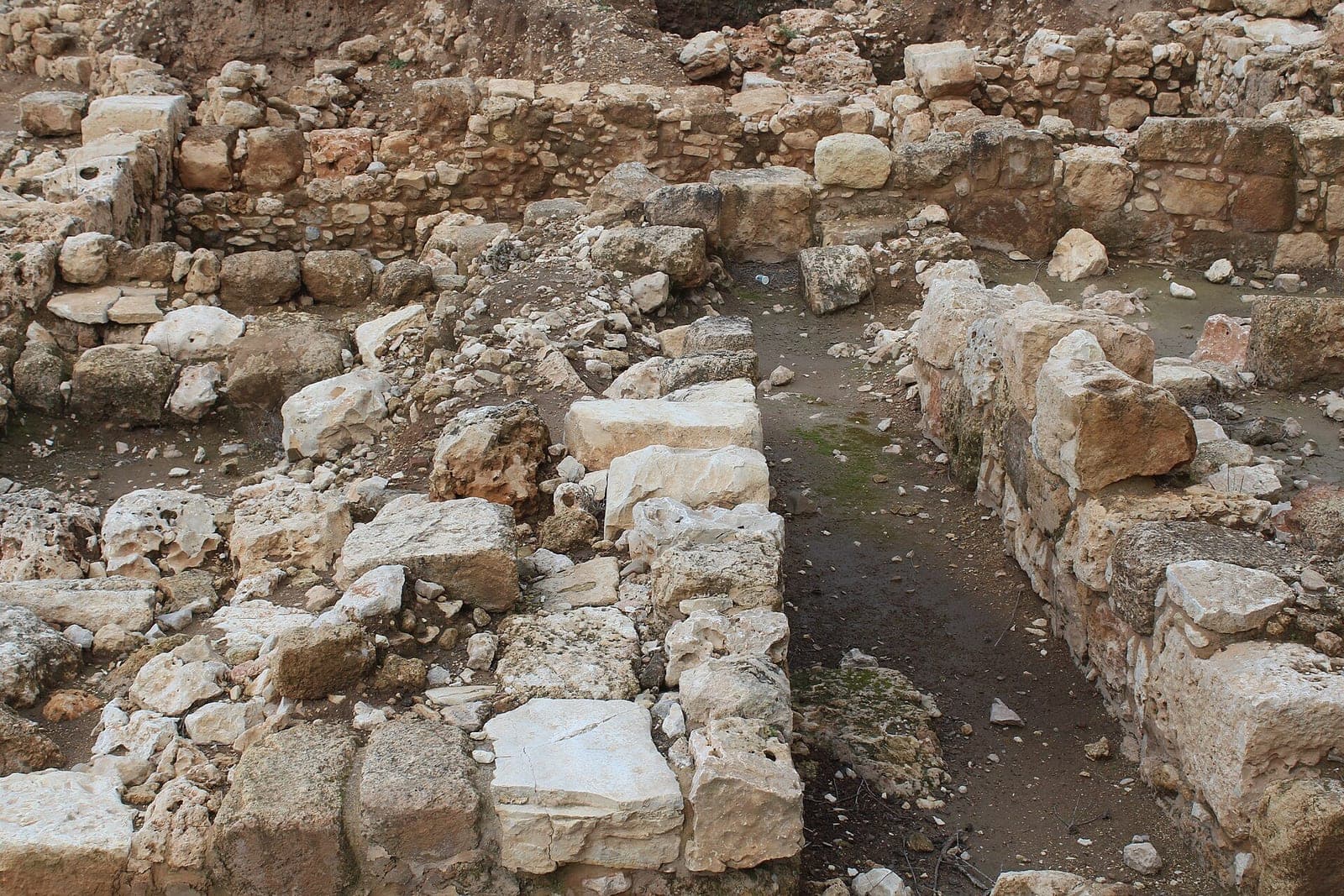
Photo: Deror Avi, via Wikimedia Commons. License: CC BY-SA 4.0. Source. Location: Tel Shiloh archaeological site, West Bank. Resized for the web.
Explore the places of the Bible
See where biblical events happened, why each place matters, and what archaeology helps us understand.
Shiloh
Where Israel set up the tabernacle, and where God called the boy Samuel.
Get full access with one subscription
Explore the people and places of the Bible. Read summaries of every book, with images and clear explanations covering every chapter. Access all these features and our Bible study tools with one subscription.
See PlansAsk AI about Psalms 129:1
Ask a question about this verse and get a clear answer, with Bible references you can read for yourself.
Every Bible book, explained chapter by chapter
Explore summaries of every book of the Bible, with images and easy-to-understand explanations covering every chapter.
Keep studying Psalms 129:1
Related Bible verses
Key themes
Related topics
At a Glance — the Book of Psalms
- Author
- David, Asaph, the sons of Korah, Solomon, and others
- Written
- Around 1000-500 BC
- Genre
- Poetry and worship
- Original Audience
- Worshipers of Israel
Frequently Asked Questions
Quick, clear answers about this verse
What does Psalm 129:1 mean for modern readers?
Psalm 129:1 speaks to the enduring nature of suffering and the resilience of a community. For modern readers, it serves as a reminder that struggles are a part of life, and acknowledging them can foster unity and strength among individuals. It encourages us to reflect on our own challenges and recognize the collective experiences that shape our identities.
How can Psalm 129:1 inspire personal resilience?
This verse highlights the repeated afflictions faced by Israel, emphasizing that resilience is built through overcoming adversity. For individuals, it can inspire personal resilience by encouraging them to view their struggles as part of a larger journey. By recognizing past hardships and how they have shaped their character, one can find strength and motivation to face current challenges.
What is the significance of youth in Psalm 129:1?
The mention of 'youth' in Psalm 129:1 signifies that the struggles faced by Israel have been present since the beginning of their journey. This highlights how early experiences of hardship can shape a community's identity and faith. For individuals, it serves as a reminder that our formative experiences, even difficult ones, contribute to our growth and resilience throughout life.
How does Psalm 129:1 relate to collective identity?
Psalm 129:1 emphasizes the shared experiences of suffering among the people of Israel, which fosters a sense of collective identity. By acknowledging their struggles together, the community strengthens its bonds and reinforces its resilience. This verse encourages modern communities to unite in their challenges, recognizing that shared experiences can lead to greater support and understanding.
Daily Verse — straight to your inbox
A verse and a 2-sentence plain-English explanation, every morning. Free. Unsubscribe anytime.