Old Testament
Psalms 150:3
Read the Bible in clear, modern English—easy to understand, faithful to the meaning, and written for everyday readers.
Praise him with the sound of the trumpet; praise him with the psaltery and harp.
Compare translations
Praise him with the sound of the trumpet: praise him with the psaltery and harp.
What Psalms 150:3 means
Plain-English insight for readers
This verse from Psalms 150 emphasizes the importance of music in worship. It calls for praising God using various musical instruments, specifically the trumpet, psaltery, and harp. The trumpet, often associated with celebration and announcement, signifies joy and triumph. The psaltery and harp represent stringed instruments that produce melodious sounds, enhancing the worship experience. This verse highlights that worship can take many forms, and music is a powerful way to express reverence and gratitude to God. It encourages believers to use their talents and creativity in praising God, showing that worship is not just a solemn act but can also be vibrant and joyful. The diversity of instruments suggests that everyone can contribute to worship in their unique way, making it a communal and inclusive experience. Overall, this verse invites us to engage fully in worship, using music as a means to connect with God and celebrate His greatness.
How to apply Psalms 150:3 to your life
Incorporate music into your personal and communal worship practices. Whether playing an instrument, singing, or listening to worship music, use these moments to connect with God. Encourage others to join in, creating a joyful atmosphere of praise.
Curated for this public verse page. Psalms Summary
Explore more of the Bible
Learn the Bible through its people and places
Get to know the people in Scripture through illustrated stories, and explore the places where they lived and traveled.

Illustrated scene from David's story: Samuel Anoints David (1 Samuel 16:1–13)
Meet the people of the Bible
Follow their lives in order, with illustrated scenes and Bible passages that tell their stories.
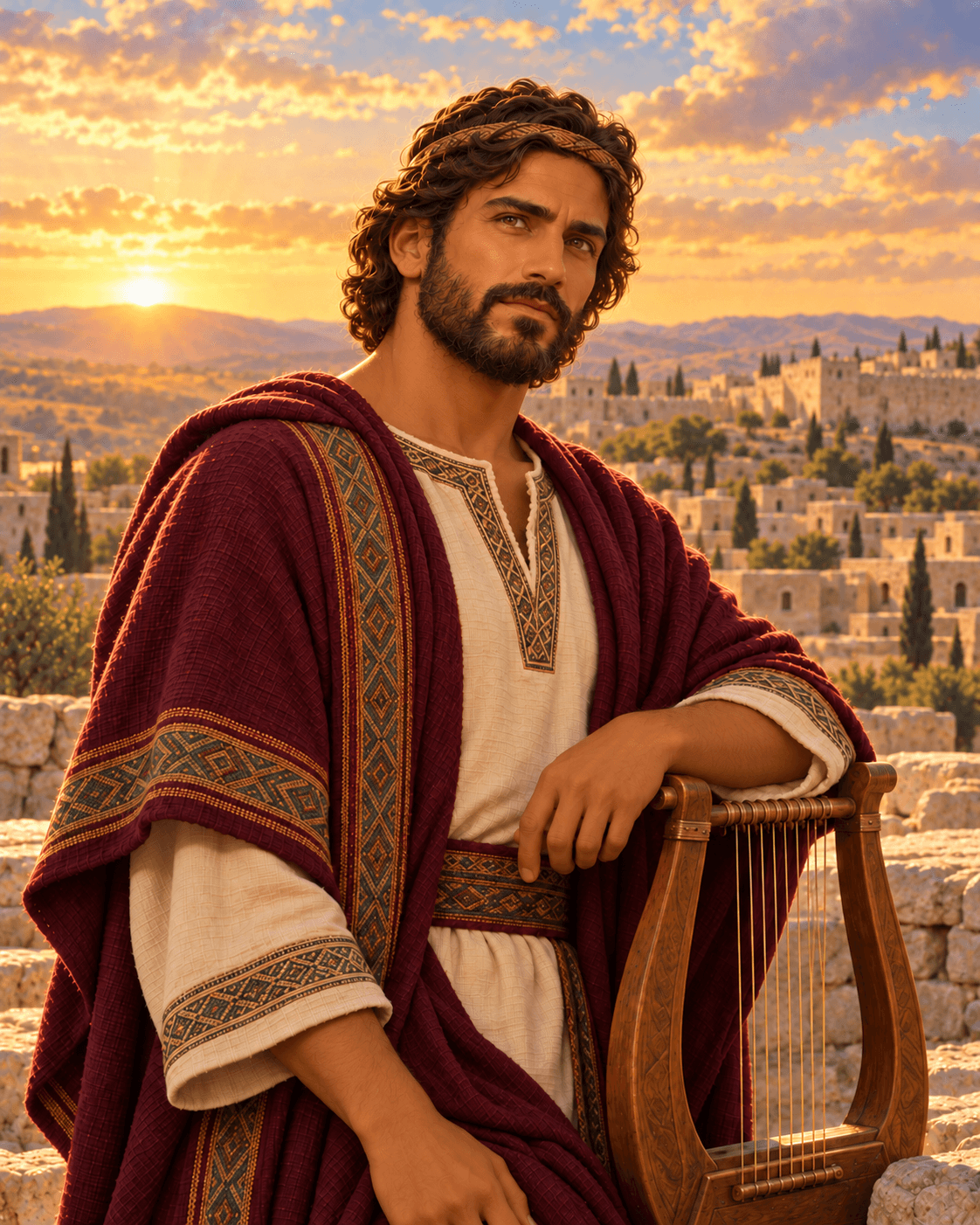 David
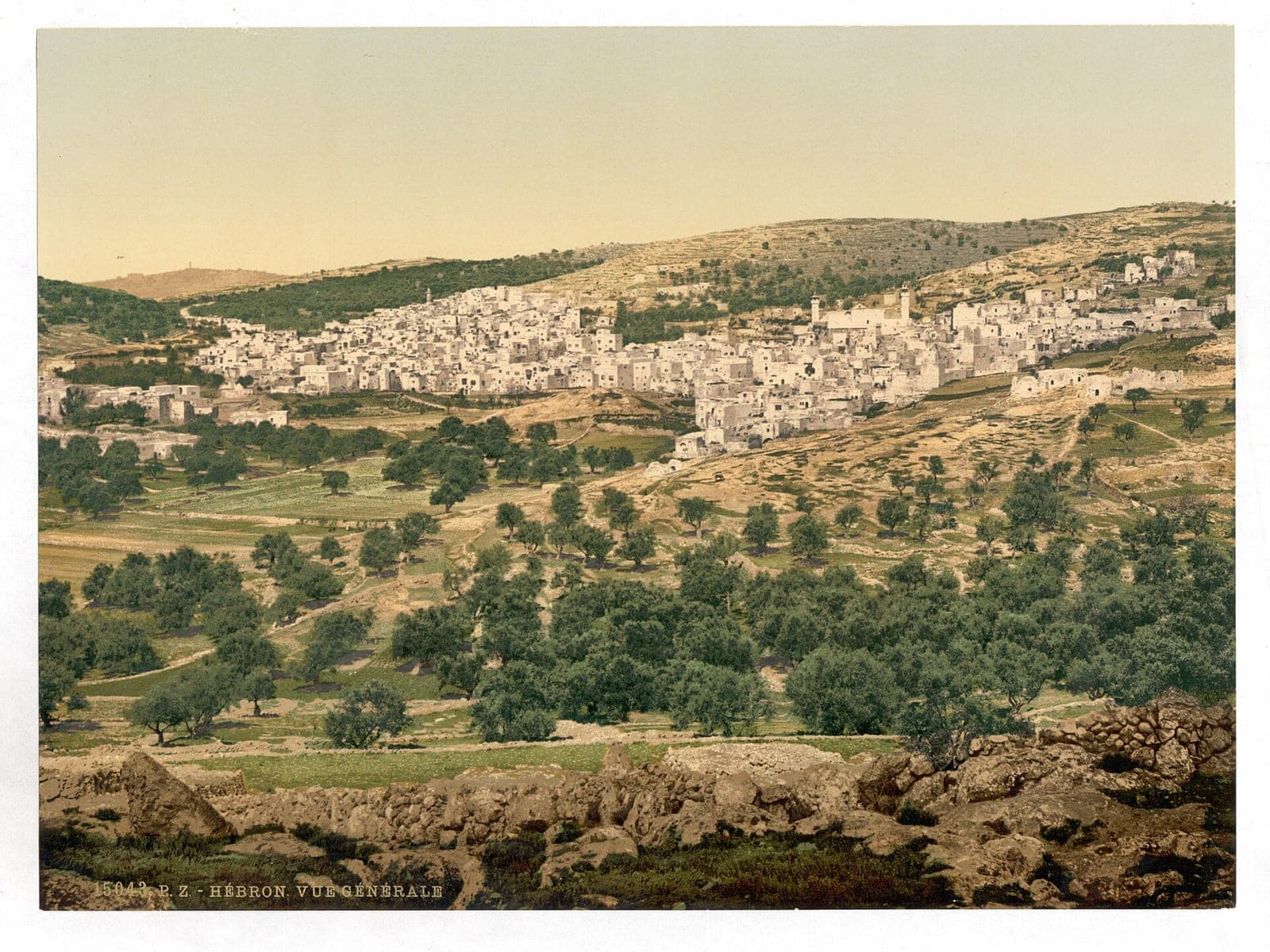
Photo: Photochrom print, Library of Congress Prints and Photographs Division (LCCN 2002724987). License: Public domain in the United States; Library of Congress states no known restrictions on publication. Source. Location: Hebron, West Bank; print preserved by the Library of Congress. Resized for the web.
Explore the places of the Bible
See where biblical events happened, why each place matters, and what archaeology helps us understand.
Hebron
Where Abraham lived and buried Sarah, and where David was first made king.
Get full access with one subscription
Explore the people and places of the Bible. Read summaries of every book, with images and clear explanations covering every chapter. Access all these features and our Bible study tools with one subscription.
See PlansAsk AI about Psalms 150:3
Ask a question about this verse and get a clear answer, with Bible references you can read for yourself.
Every Bible book, explained chapter by chapter
Explore summaries of every book of the Bible, with images and easy-to-understand explanations covering every chapter.
Keep studying Psalms 150:3
Related Bible verses
At a Glance — the Book of Psalms
- Author
- David, Asaph, the sons of Korah, Solomon, and others
- Written
- Around 1000-500 BC
- Genre
- Poetry and worship
- Original Audience
- Worshipers of Israel
Frequently Asked Questions
Quick, clear answers about this verse
What does Psalms 150:3 teach about music in worship?
Psalms 150:3 emphasizes the significance of music as a form of worship. It encourages believers to praise God using various instruments, specifically the trumpet, psaltery, and harp. This verse highlights that music can enhance the worship experience, making it vibrant and joyful, and shows that worship can take many forms.
Why are specific instruments mentioned in Psalms 150:3?
The mention of specific instruments like the trumpet, psaltery, and harp in Psalms 150:3 serves to illustrate the diversity of musical expression in worship. Each instrument has its unique sound and significance; the trumpet often symbolizes celebration, while the psaltery and harp represent melodious stringed instruments that enrich the worship atmosphere.
How can I apply Psalms 150:3 in my worship today?
To apply Psalms 150:3 in your worship, incorporate music into your personal and communal practices. This can include playing instruments, singing, or listening to worship music. Engage with others in these activities to create a joyful and inclusive atmosphere of praise, allowing everyone to express their worship creatively.
What is the overall message of Psalms 150?
The overall message of Psalms 150 is a call to worship God with exuberance and joy, using music and instruments as expressions of praise. It encourages believers to celebrate God's greatness in a communal setting, highlighting that worship is not only a solemn act but also a vibrant and joyful experience.
Daily Verse — straight to your inbox
A verse and a 2-sentence plain-English explanation, every morning. Free. Unsubscribe anytime.