Old Testament
Psalms 19:5
Read the Bible in clear, modern English—easy to understand, faithful to the meaning, and written for everyday readers.
which is like a bridegroom coming out of his chamber, and rejoices like a strong man to run a race.
Compare translations
Which is as a bridegroom coming out of his chamber, and rejoiceth as a strong man to run a race.
What Psalms 19:5 means
Plain-English insight for readers
In Psalms 19:5, the psalmist uses the imagery of a bridegroom and a strong man to illustrate the joy and vitality of the sun as it rises. Just as a bridegroom emerges from his chamber filled with excitement and anticipation for his wedding, the sun bursts forth each day, bringing light and warmth to the world. Similarly, the strong man, full of energy and determination, is ready to run a race, symbolizing the sun's powerful and unstoppable journey across the sky. This verse highlights the beauty of creation and the joy that comes with the natural order of things, emphasizing how the sun's daily rise is a source of inspiration and life. It serves as a reminder of the consistent and reliable nature of God's creation, which reflects His glory and power.
How to apply Psalms 19:5 to your life
This verse encourages us to appreciate the beauty and consistency of God's creation. Just as the sun rises each day with purpose, we too can approach our daily lives with joy and determination, embracing the opportunities that come our way and reflecting God's glory in our actions.
Curated for this public verse page. Psalms Summary
Explore more of the Bible
Learn the Bible through its people and places
Get to know the people in Scripture through illustrated stories, and explore the places where they lived and traveled.

Illustrated scene from Ruth's story: Three Widows (Ruth 1:1–5)
Meet the people of the Bible
Follow their lives in order, with illustrated scenes and Bible passages that tell their stories.
 Ruth
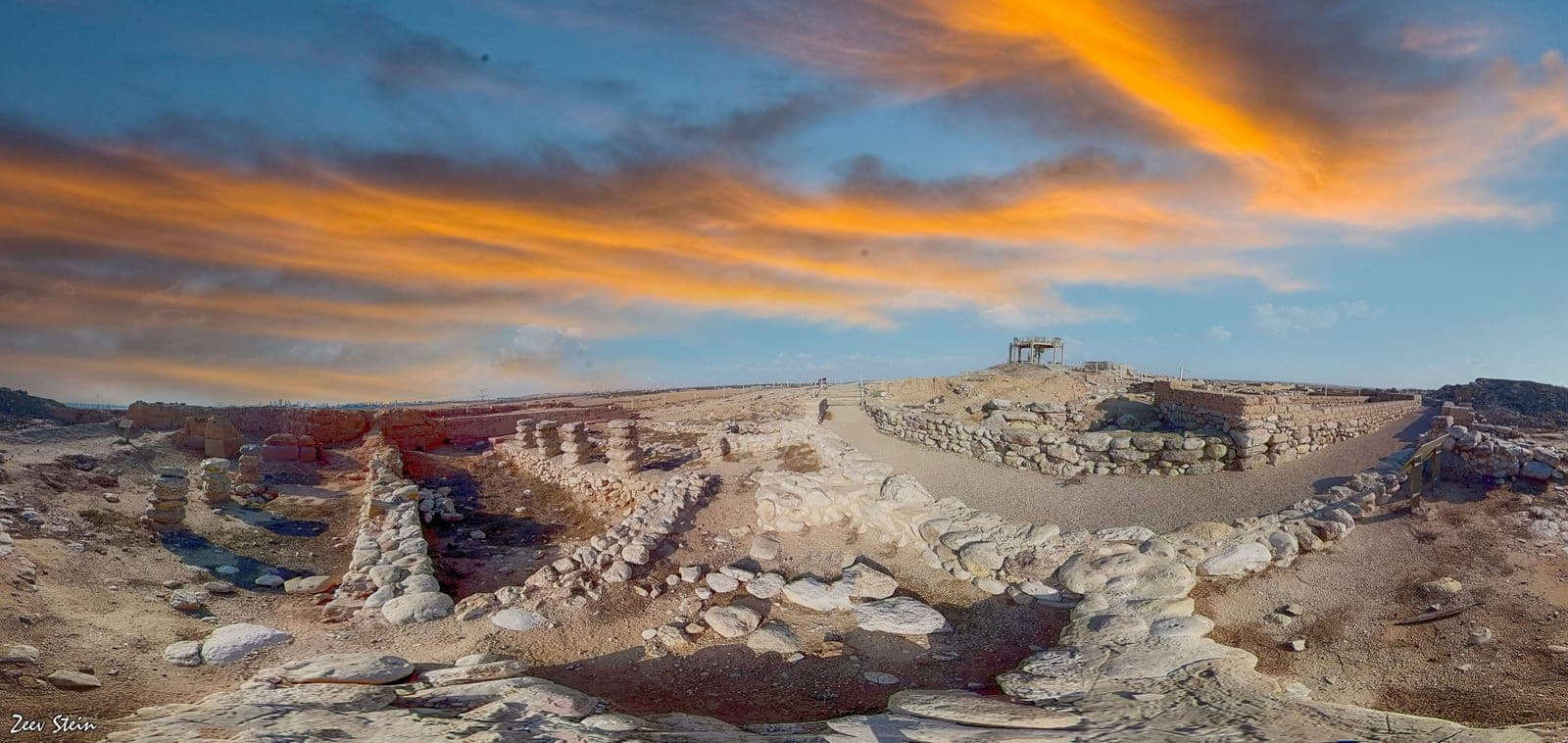
Photo: Zeev Stein / PikiWiki Israel, via Wikimedia Commons. License: CC BY 2.5. Source. Location: Tel Beer Sheva National Park, Israel. Resized for the web.
Explore the places of the Bible
See where biblical events happened, why each place matters, and what archaeology helps us understand.
Beersheba
Where Abraham and Isaac dug wells and worshiped the LORD, at the southern edge of the land.
Get full access with one subscription
Explore the people and places of the Bible. Read summaries of every book, with images and clear explanations covering every chapter. Access all these features and our Bible study tools with one subscription.
See PlansAsk AI about Psalms 19:5
Ask a question about this verse and get a clear answer, with Bible references you can read for yourself.
Every Bible book, explained chapter by chapter
Explore summaries of every book of the Bible, with images and easy-to-understand explanations covering every chapter.
Keep studying Psalms 19:5
Related Bible verses
At a Glance — the Book of Psalms
- Author
- David, Asaph, the sons of Korah, Solomon, and others
- Written
- Around 1000-500 BC
- Genre
- Poetry and worship
- Original Audience
- Worshipers of Israel
Frequently Asked Questions
Quick, clear answers about this verse
What does Psalms 19:5 mean?
Psalms 19:5 compares the sun to a bridegroom and a strong man, illustrating its joyful and powerful rise each day. This imagery highlights the beauty of creation and the consistent nature of God's work in the world.
What is the meaning of 'bridegroom' in Psalms 19:5?
In Psalms 19:5, 'bridegroom' symbolizes joy and anticipation, representing how the sun joyfully emerges each morning, similar to a bridegroom excited for his wedding.
How does Psalms 19:5 relate to nature?
Psalms 19:5 illustrates the sun's rise as a natural event filled with joy and strength, showcasing the order and beauty of God's creation in the world.
What themes are present in Psalms 19:5?
Key themes in Psalms 19:5 include creation, joy, strength, God's glory, and the natural order, all highlighted through the imagery of the sun's daily journey.
Daily Verse — straight to your inbox
A verse and a 2-sentence plain-English explanation, every morning. Free. Unsubscribe anytime.